4.81,899 snorkelers held the cage bars off Haleiwa
Shark Cage Diving Tours in Oahu, Hawaii
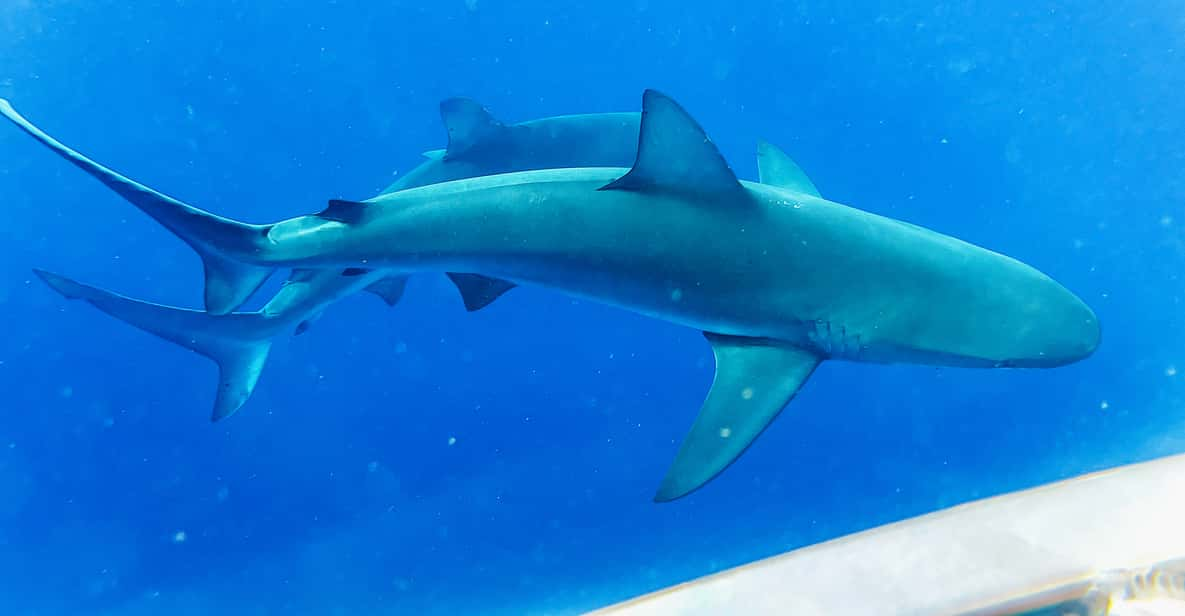
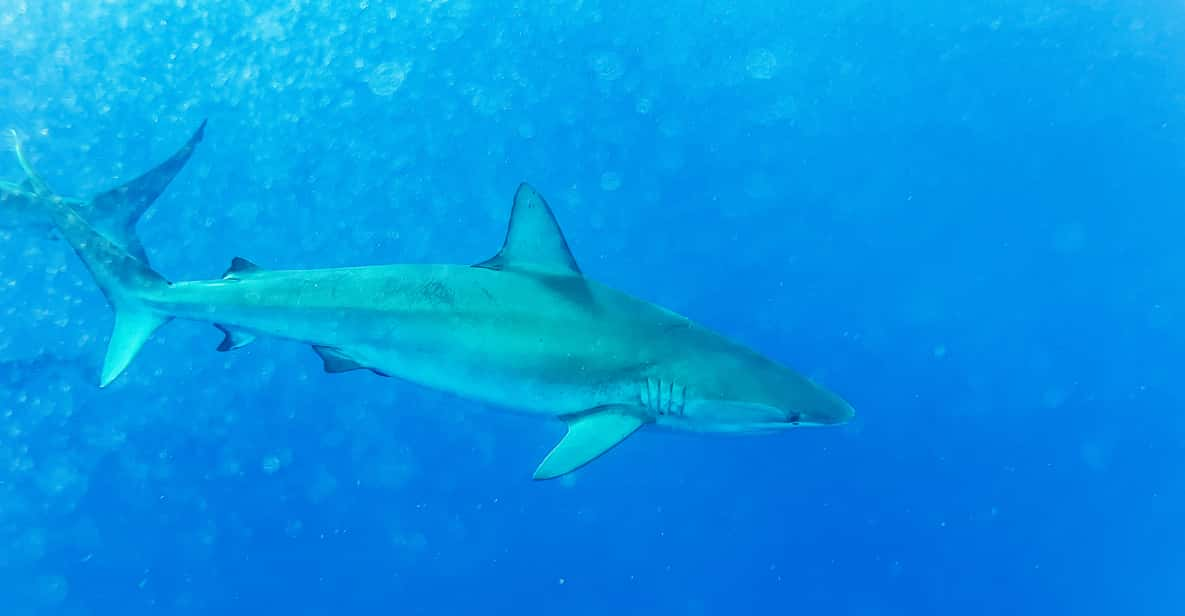
Come face to face with wild sharks, inches from the bars, and feel your nerves melt away once you're in the water. Book a North Shore cage dive from Haleiwa Harbor - no scuba gear, no strong swimming needed, just a mask, a snorkel and a sturdy steel cage floating at the surface three miles offshore. Pick your boat, grab your spot, and meet the sharks today.
"They promise sharks and delivered way more. The crew was great and Captain Leon was super helpful with everyone. Would do it again, and kids will absolutely love it!"
4.8★average rating1,899traveler reviews100%free cancellation23countries travelers came from
Shark cage diving in Oahu - where to start
Every shark diving tour out of Haleiwa runs the same basic way: a boat ride three miles offshore, then time in the water with Galapagos and sandbar sharks. The one difference that decides your booking is the cage itself, which separates three good trips into three different experiences.
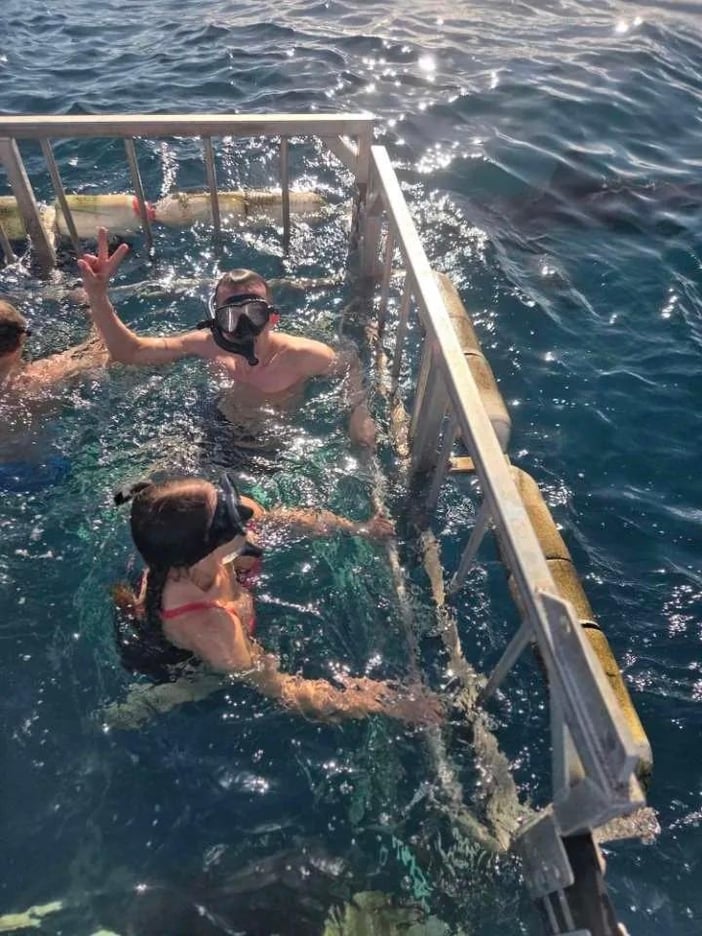
SwimmingYou do not need to be a strong swimmer to enter the cage. It floats at the surface with its top rail above water, and you hold the handrails in a mask and snorkel.
ScubaNo dive certification or tanks are involved on any of these tours; you breathe normally at the surface.
KidsMinimum ages vary by operator, generally set at 5 years old, so check the age rule before booking for a child.
Water timeExpect about 20 minutes inside the cage. Groups of 6 to 8 rotate through while the rest watch from the deck.
Boat rulesYou take off your footwear before boarding, so bring slip-on sandals you can leave in a dockside bin.
Getting thereThe drive from Waikiki takes 45 to 75 minutes, and you should arrive 30 to 45 minutes before departure for check-in.
SeasonMay through September brings the calmest seas and the clearest water; winter swells from November raise cancellation rates.
WeatherIf the operator cancels for ocean conditions, you choose between rescheduling or a full refund.
BringPack a swimsuit, towel, reef-safe sunscreen and motion sickness medication taken the night before and the morning of the trip.
Finding the shark cage dive that fits you
Answer a few quick questions and the page lines up the tour that matches, plus two close seconds.
1Who's coming?
2What's your budget?
3What kind of trip?
Your best match
match
Oahu: Shark Cage Dive on the North Shore★ 4.9 (1,819) · 1.5 hours · Protected underwater viewing
Popular with families with kids or teens, couples and solo travelers. 99% of families, 97% of couples and 98% of solo travelers gave it 4 or 5 stars.
Booked 21 times last week
The shortest trip at 1.5 hours, and you don't need to be a strong swimmer to enter the cage.
What a day of diving with sharks in a cage looks like
about 1.5 h
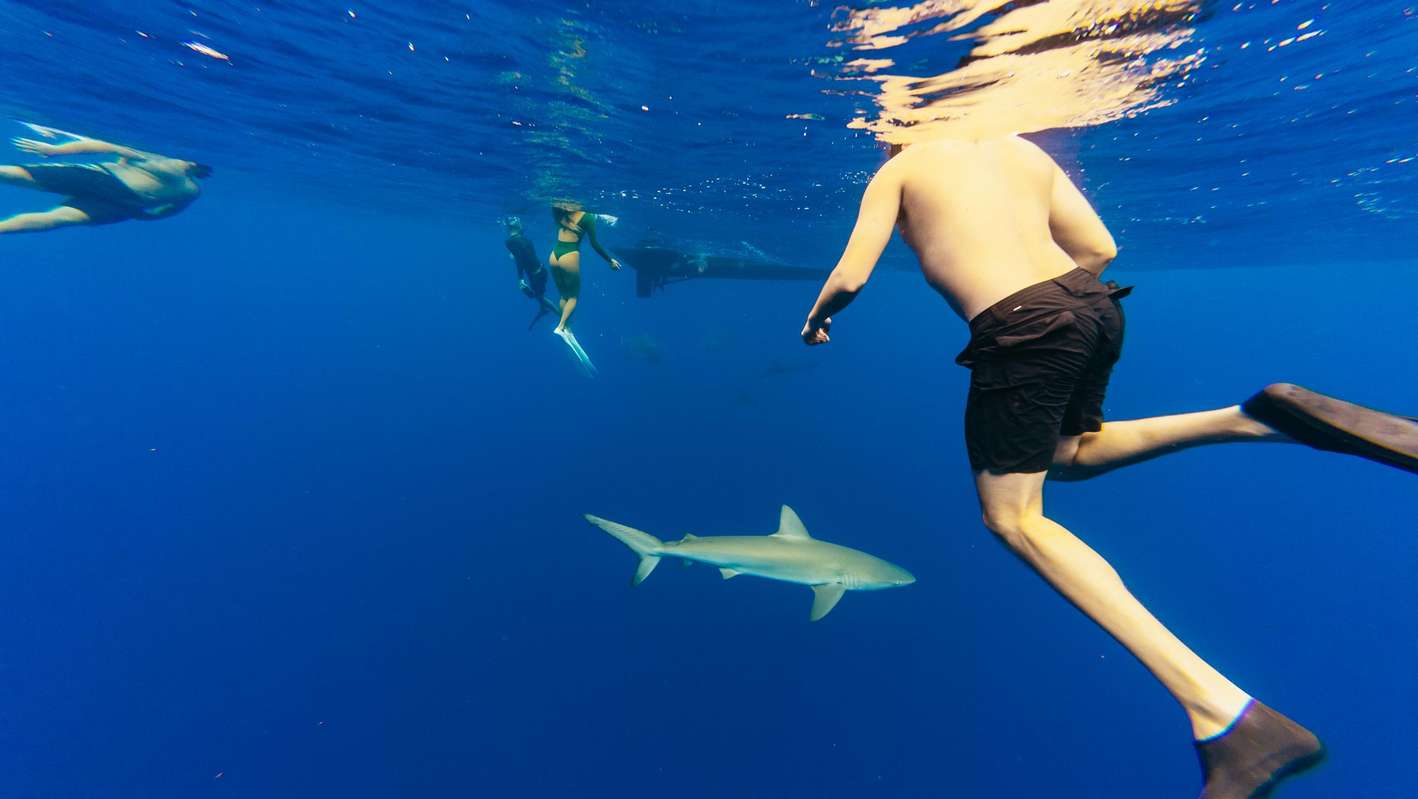
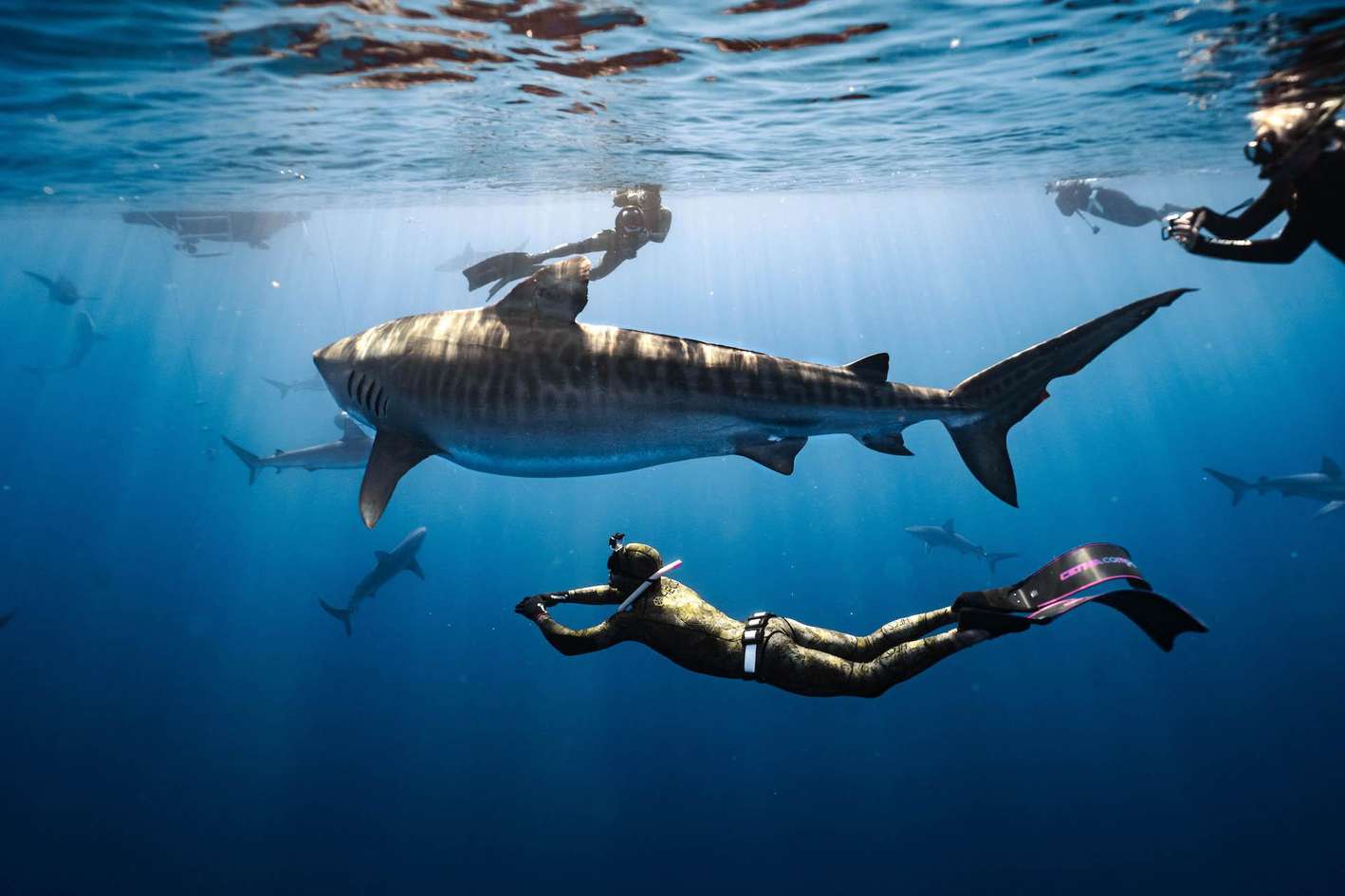
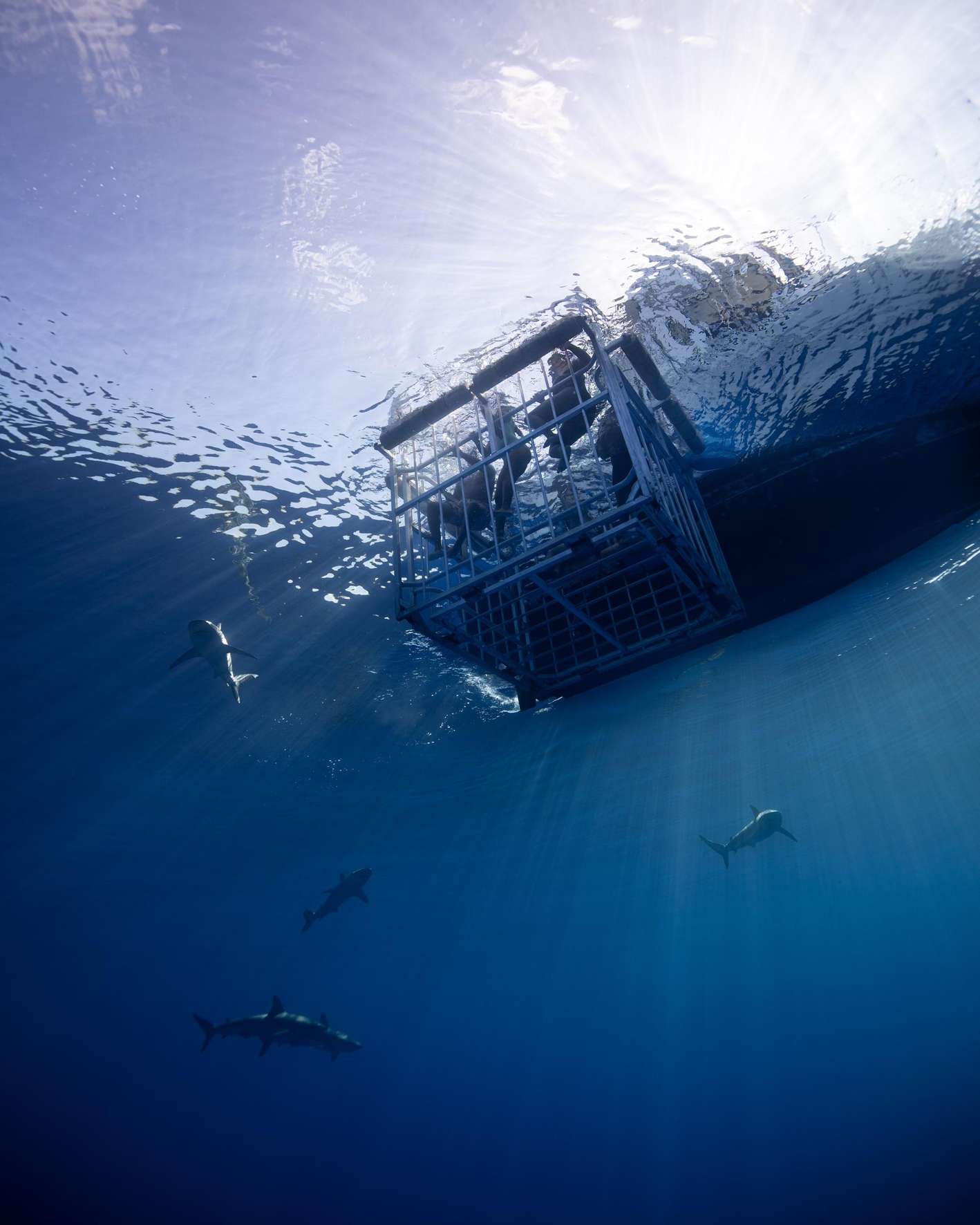
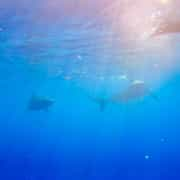
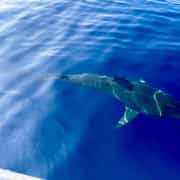
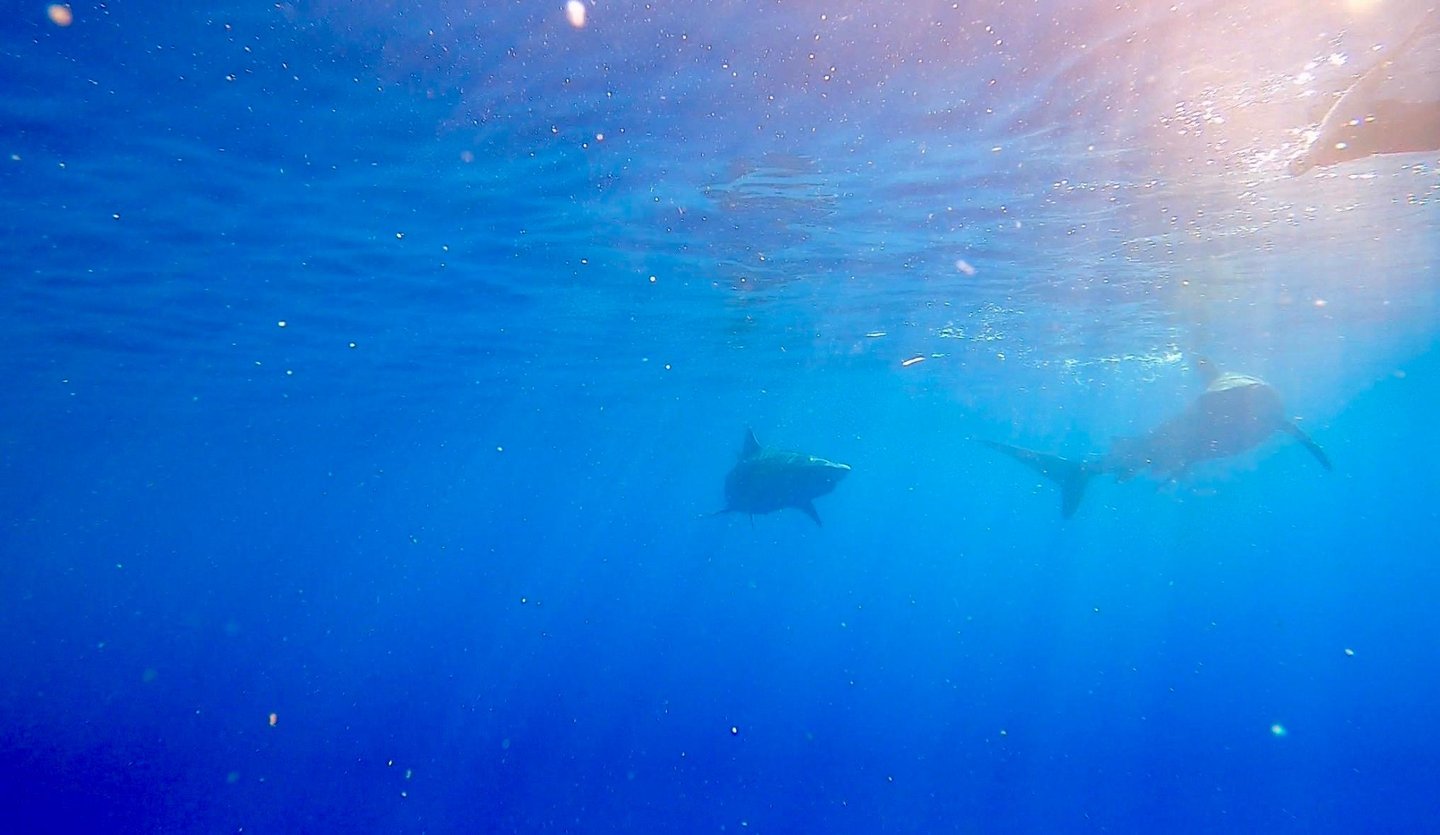
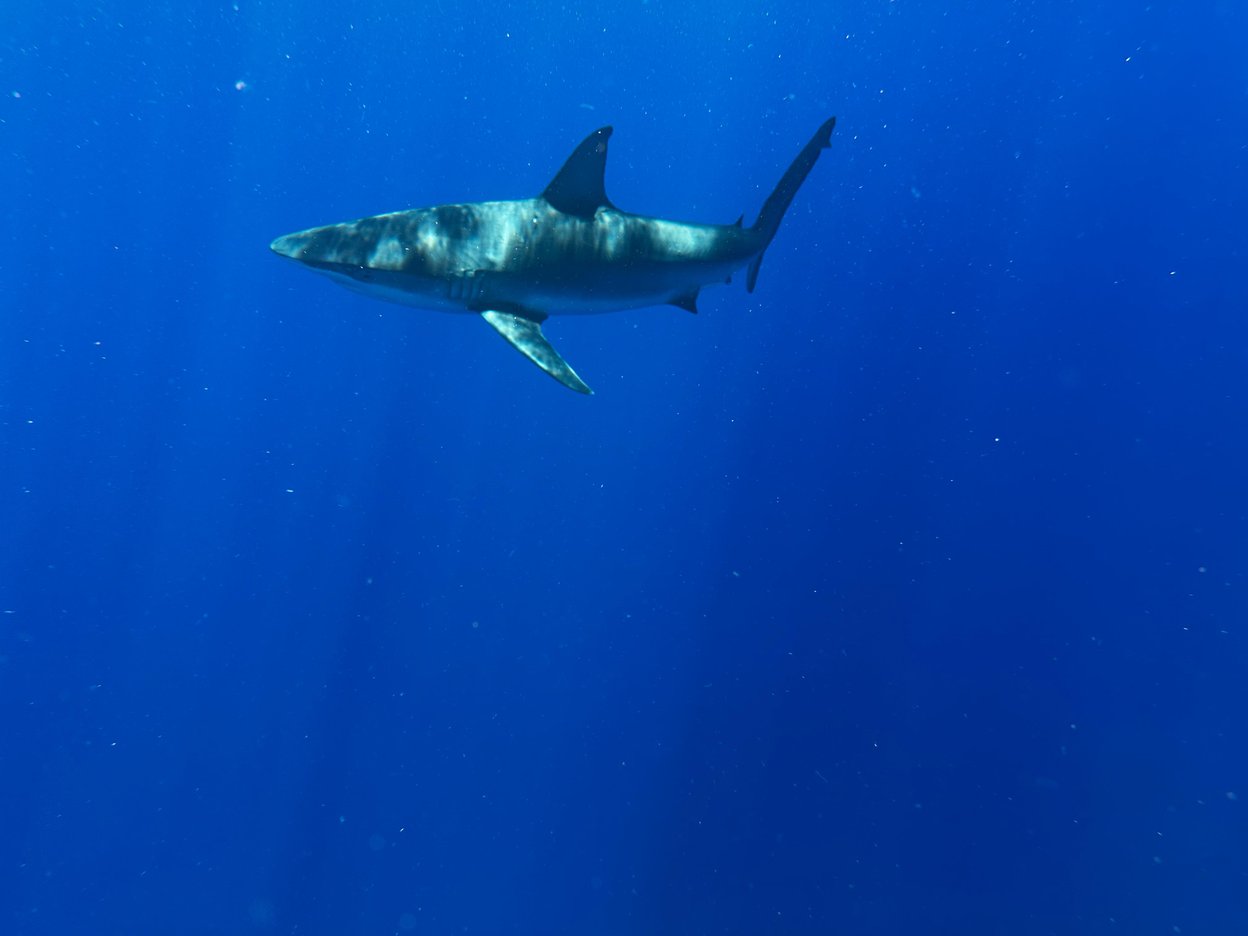
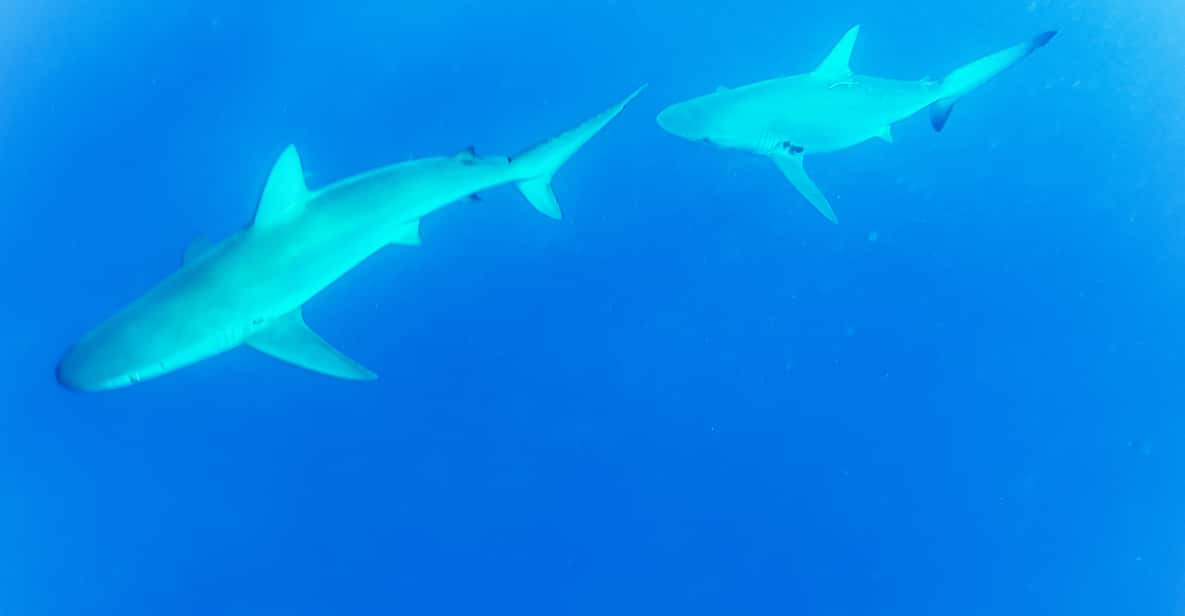
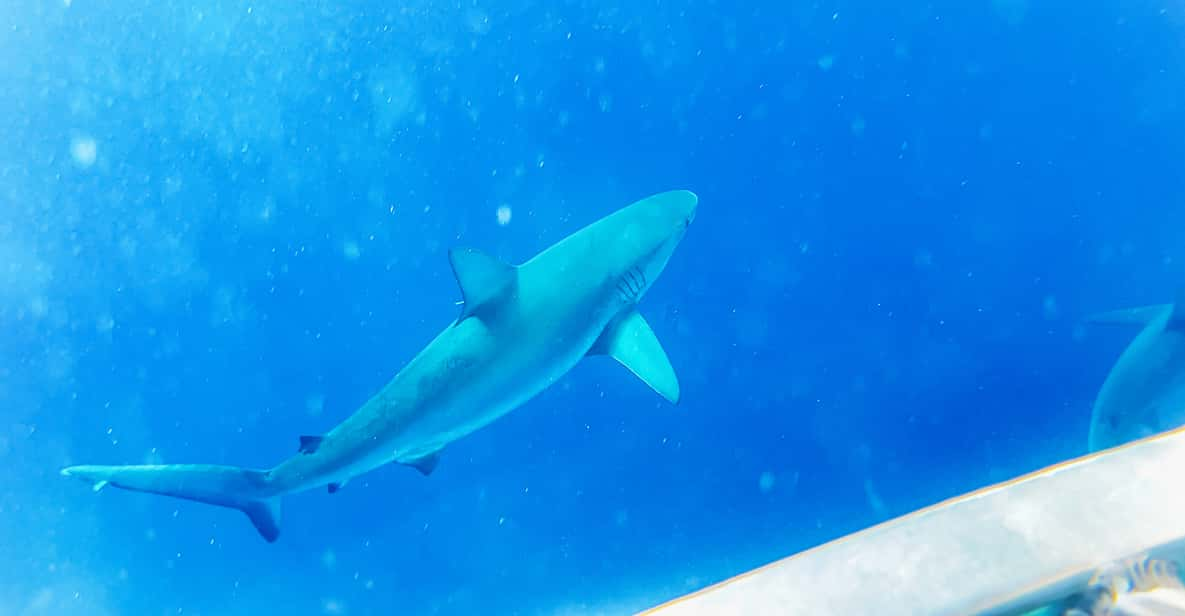
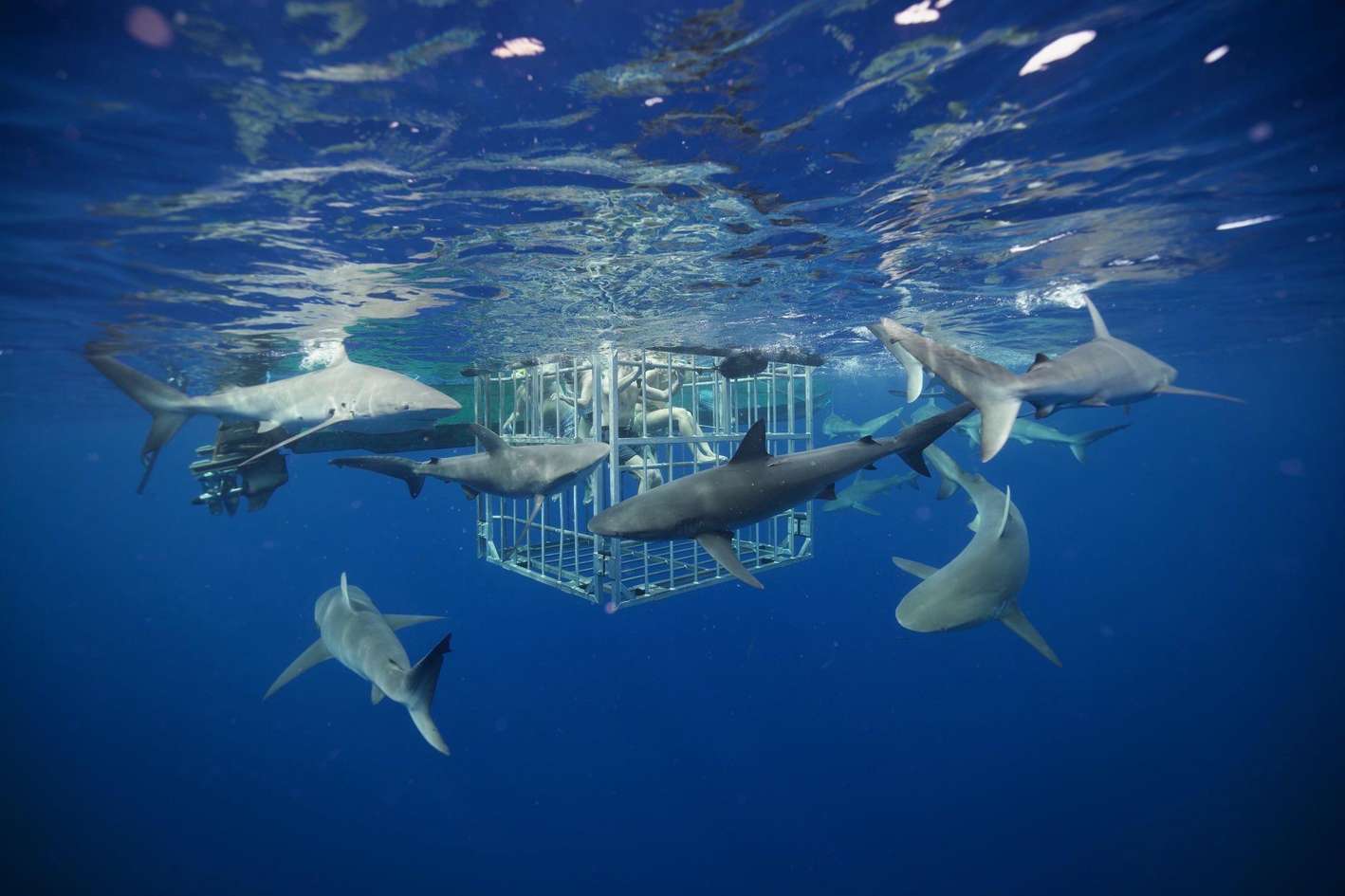
The moment worth booking for comes about twenty minutes offshore, when the boat stops over water so clear you can watch Galapagos and sandbar sharks rise from the blue below.
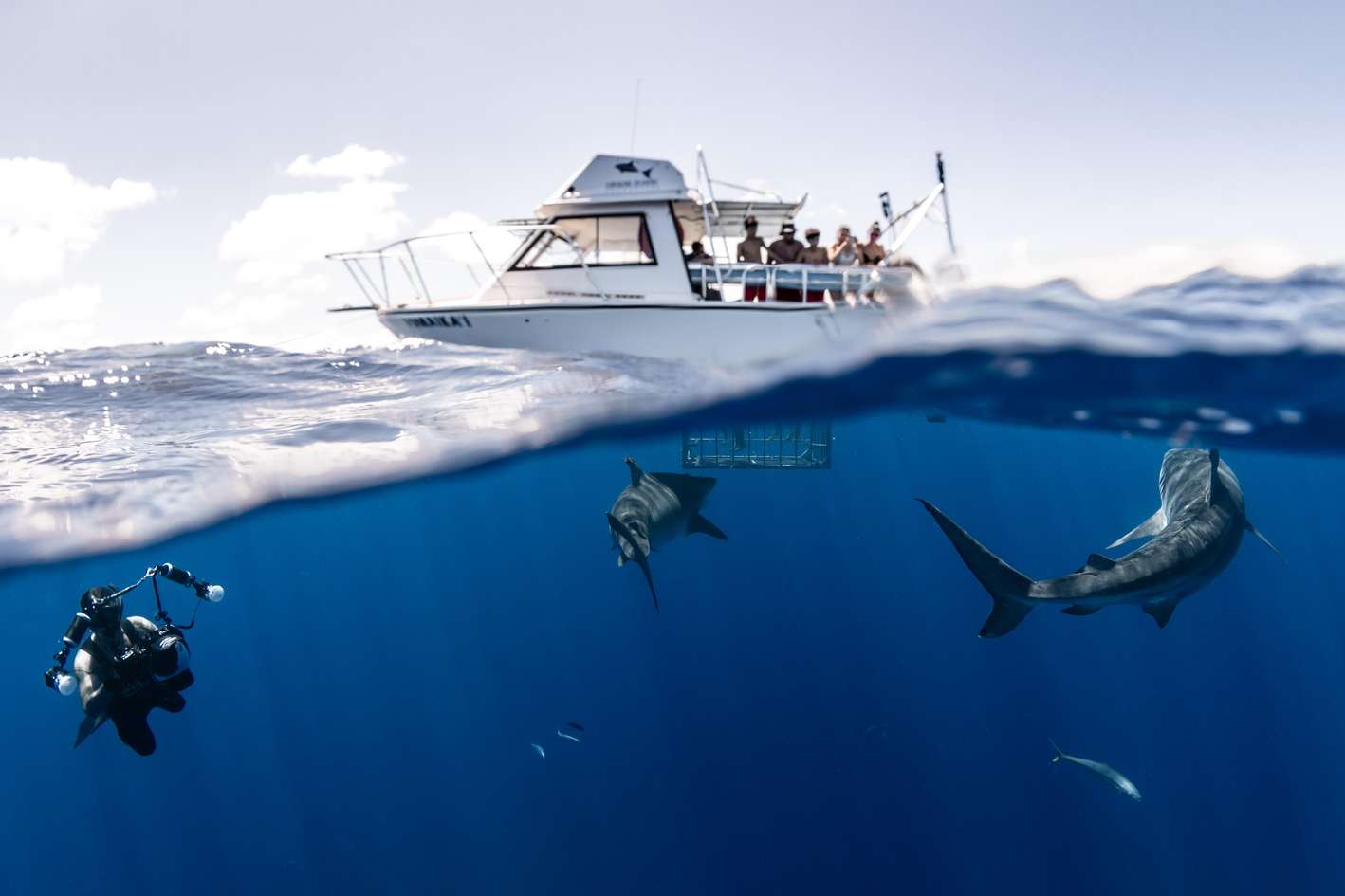
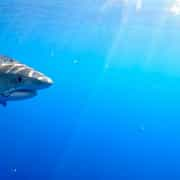
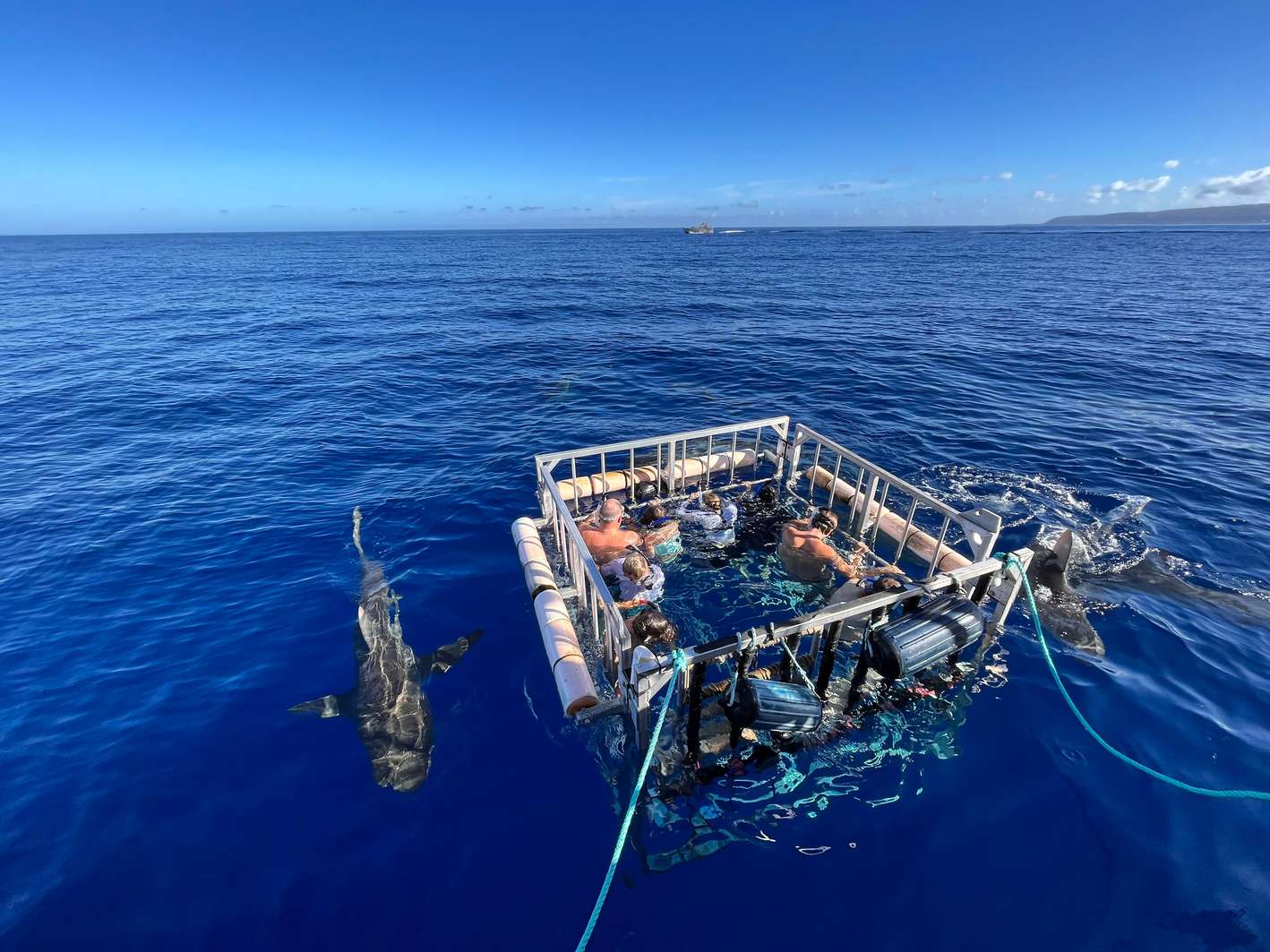
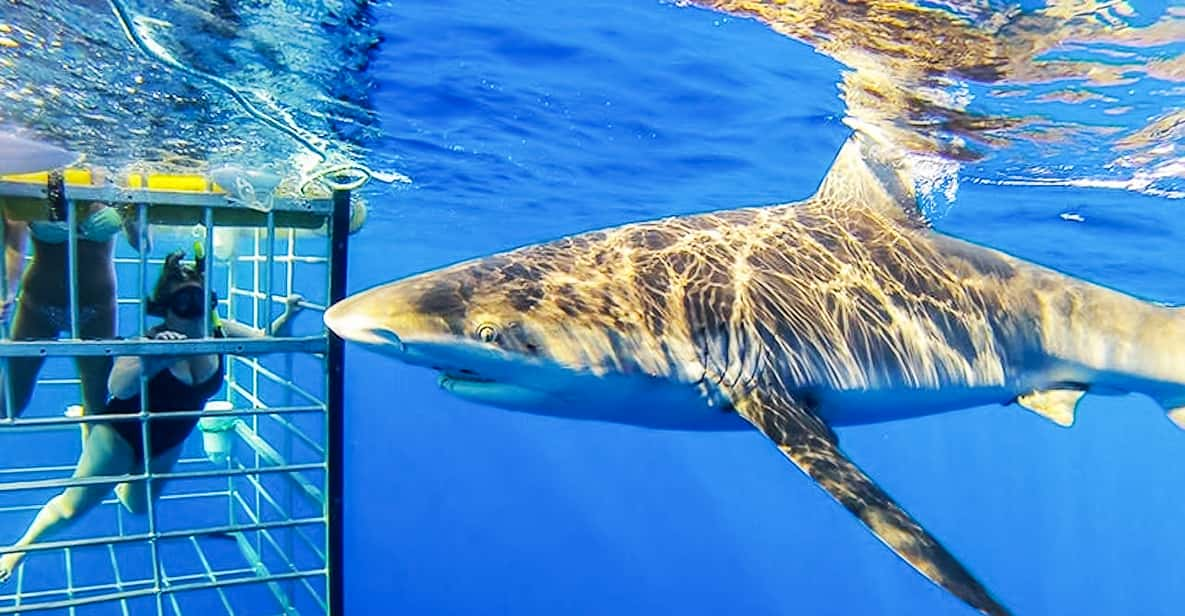
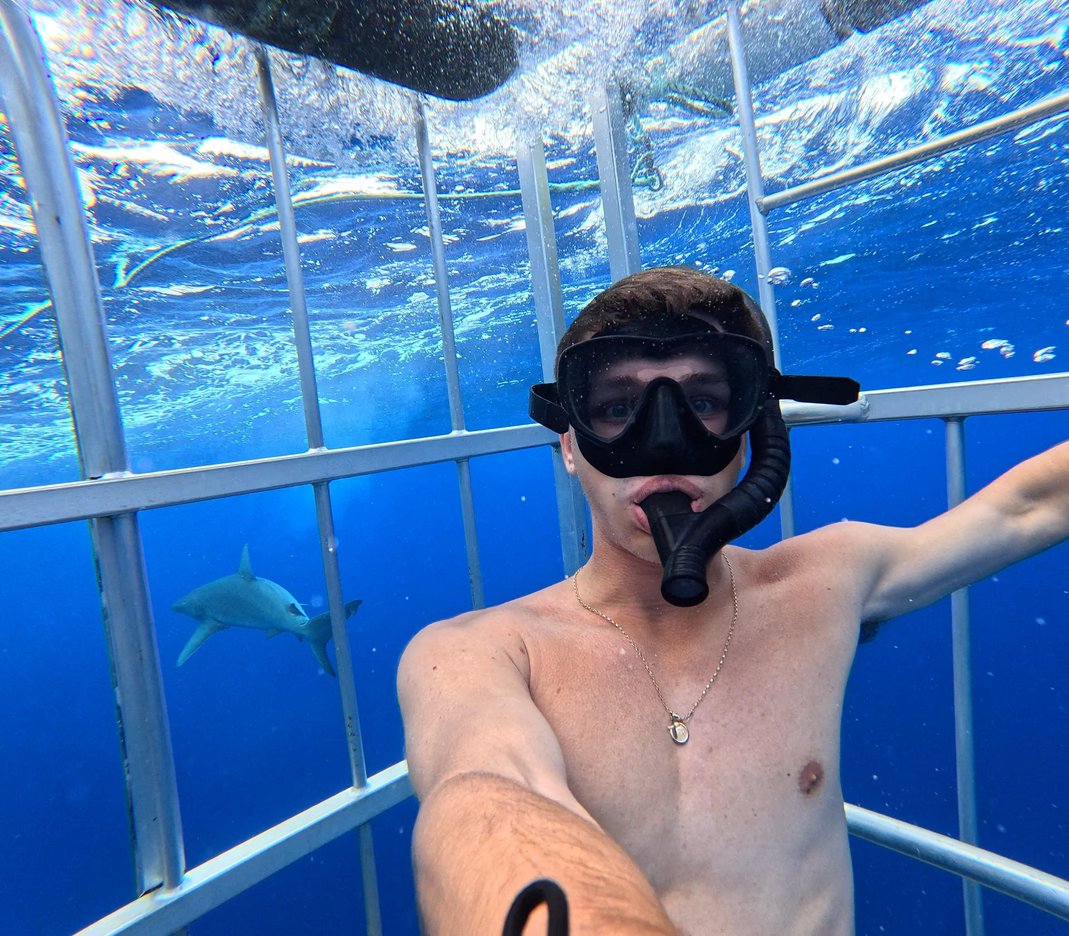
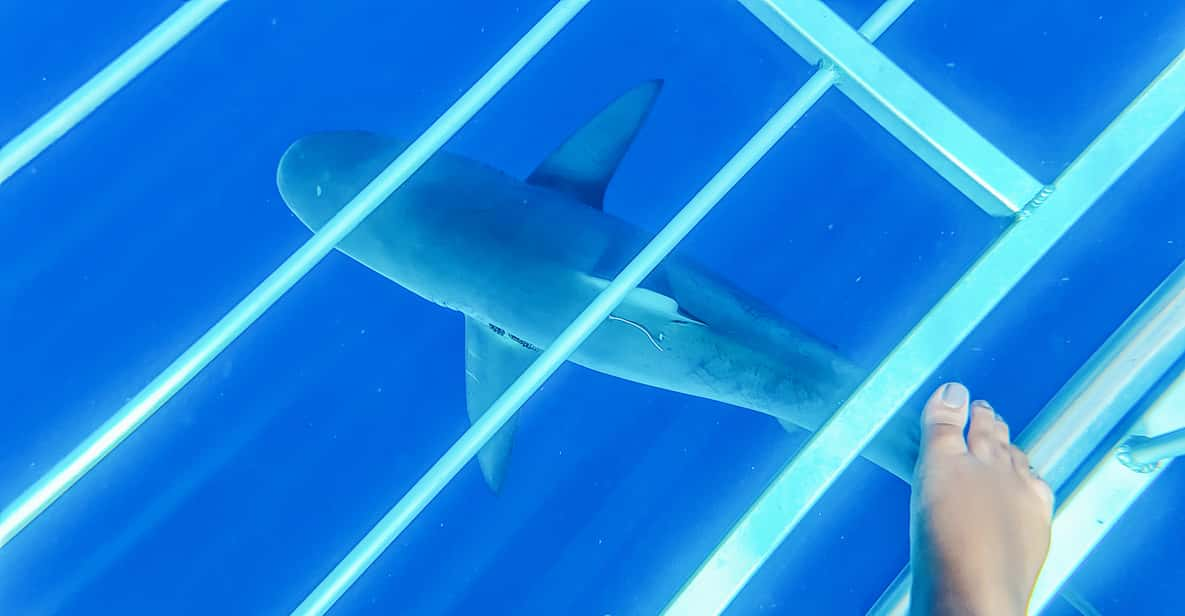
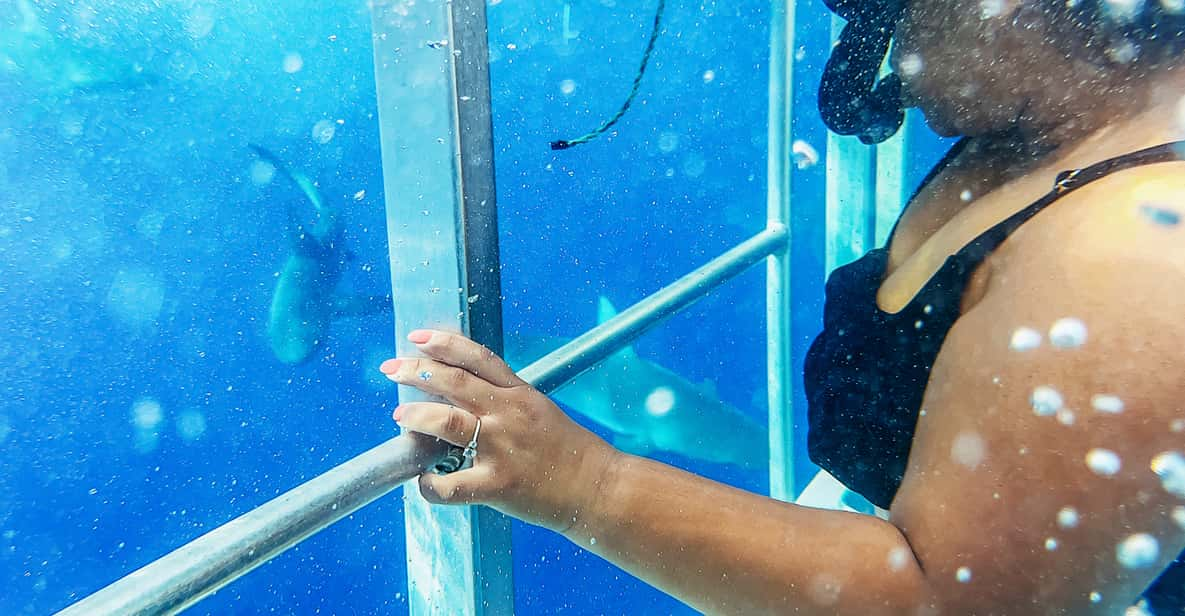
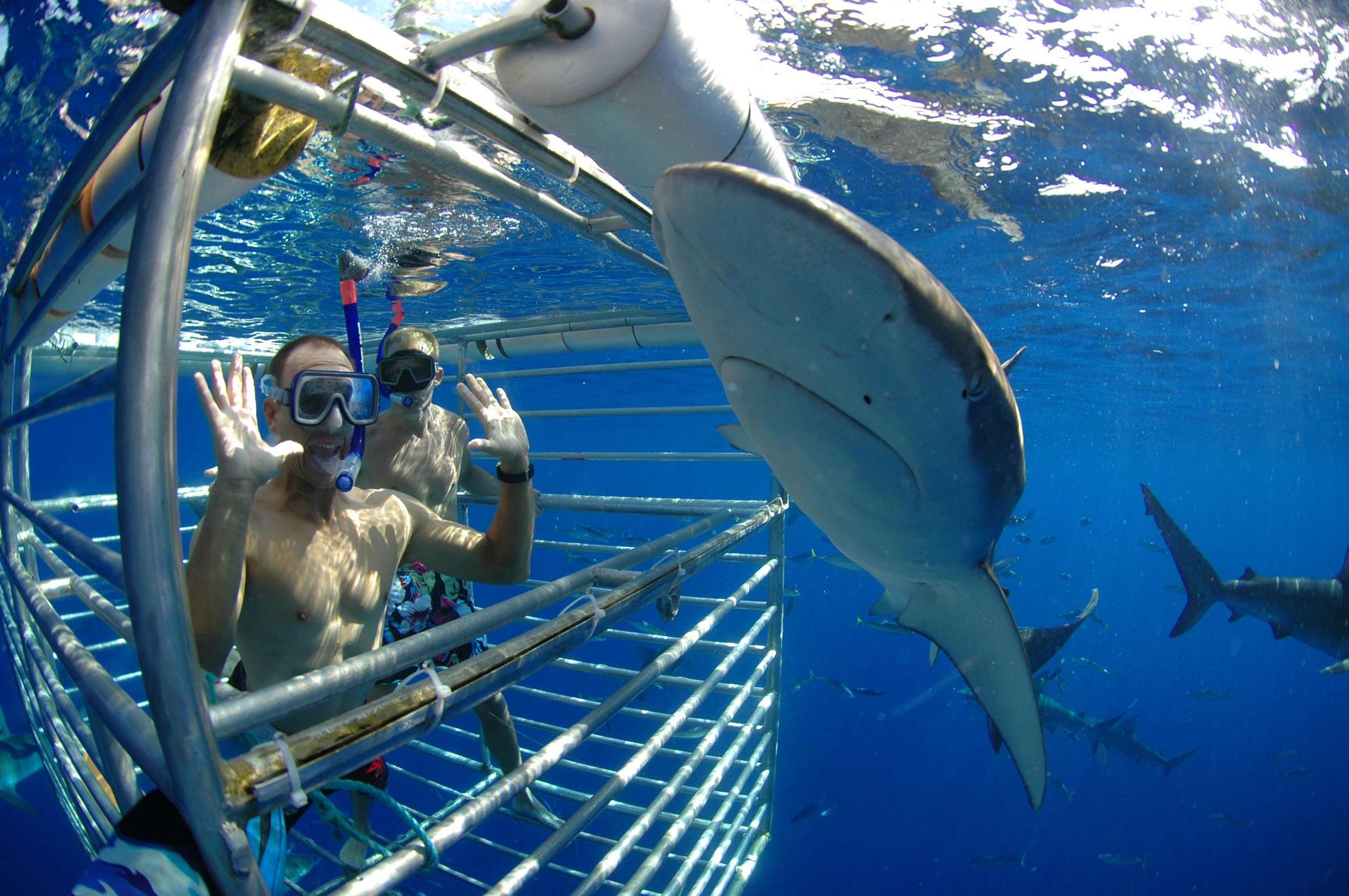
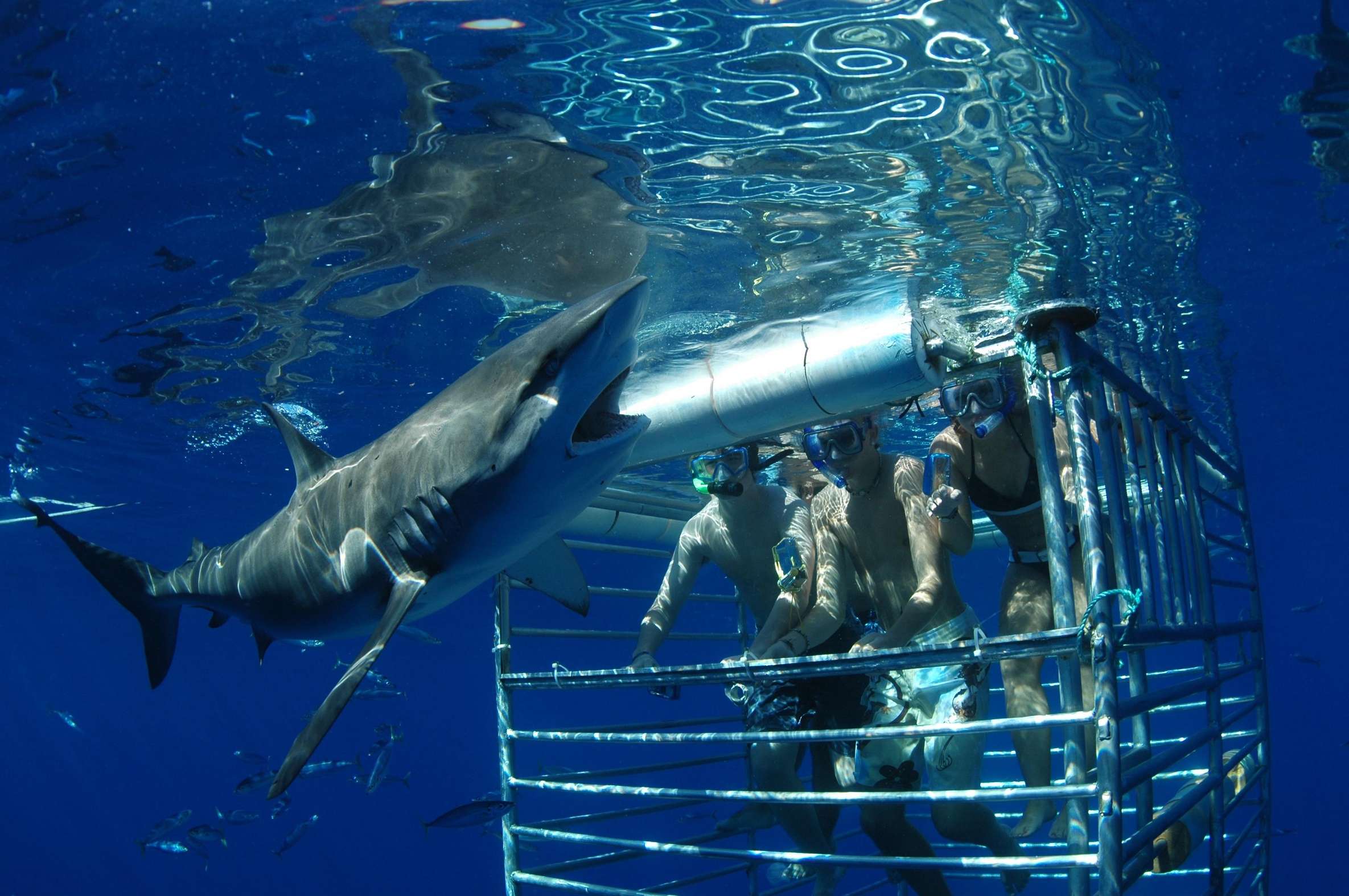
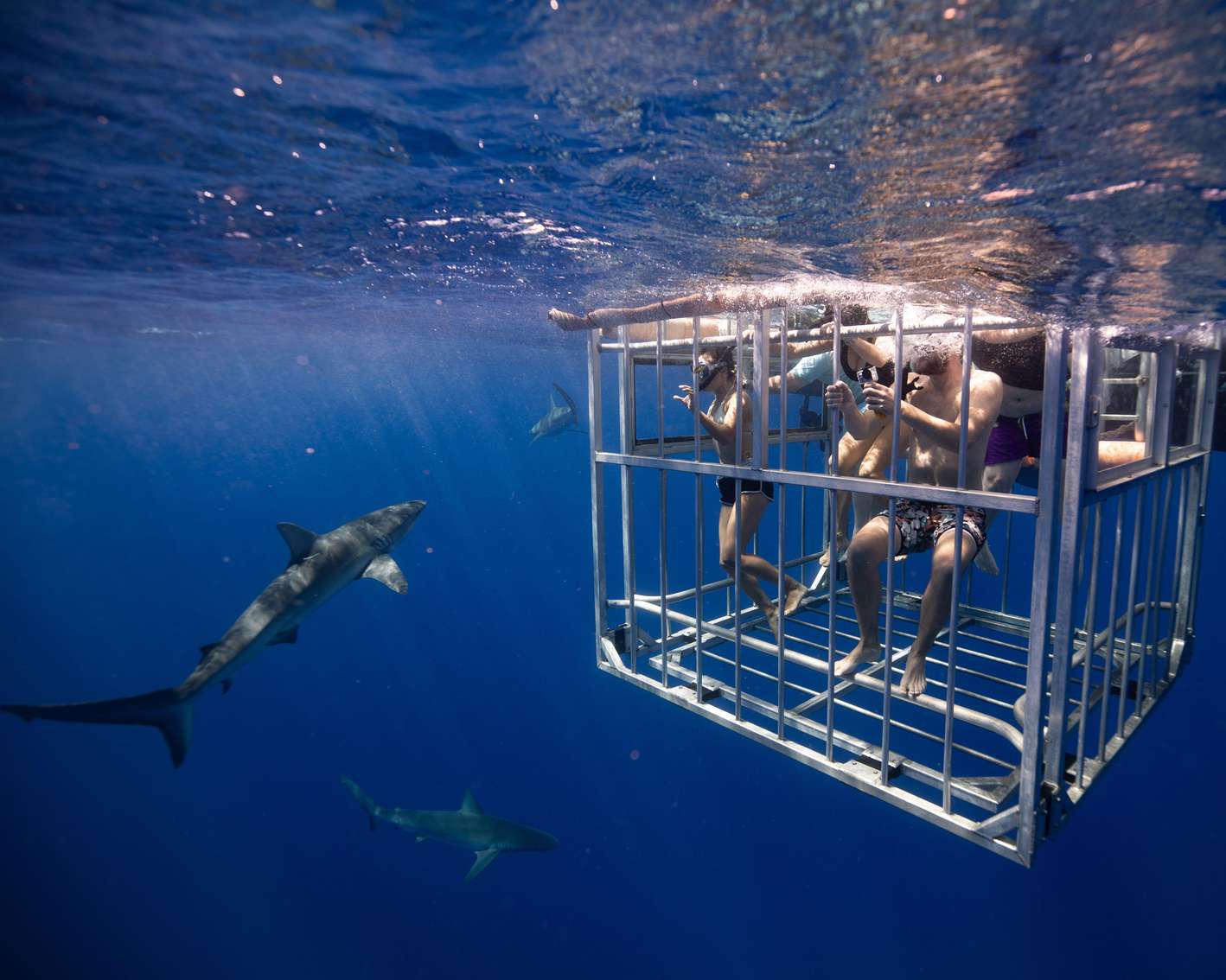
From the floating cage at the surface, they pass within inches of the bars, close enough that a plexiglass panel sits between your face and theirs.
A certified guide runs the whole trip: a safety briefing at the dock, masks and snorkels on board, and time in the cage that needs no scuba gear and no strong swimming.
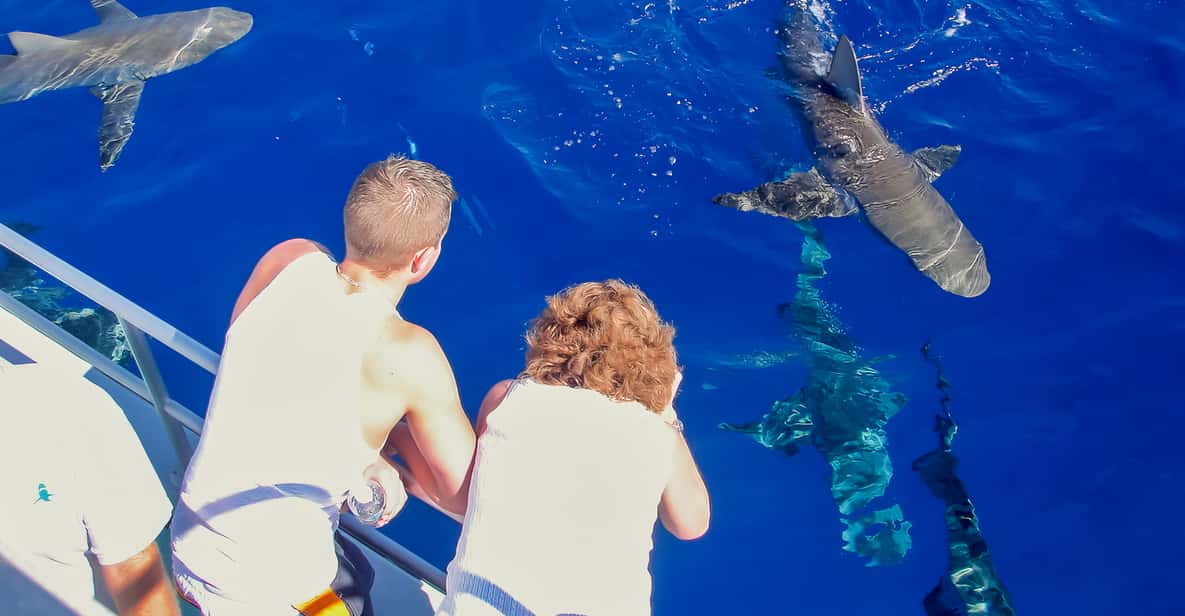
Salt water keeps you buoyant while you hold the bars. People who stay on the boat see plenty too, since the sharks cruise right alongside the hull.
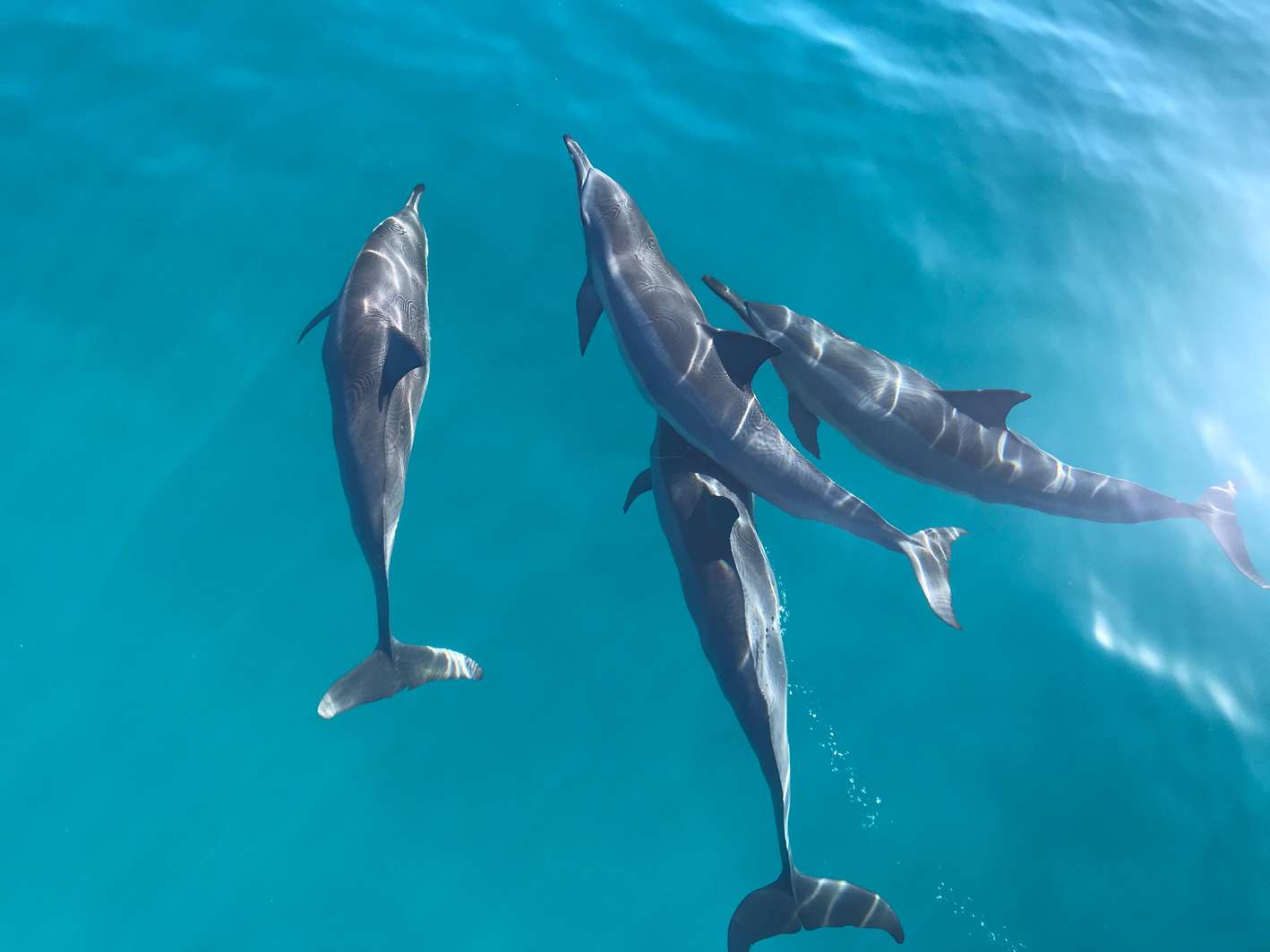
Seasons add extras. Dolphins show up through much of the year, humpback whales pass in winter, and green sea turtles appear depending on the month.
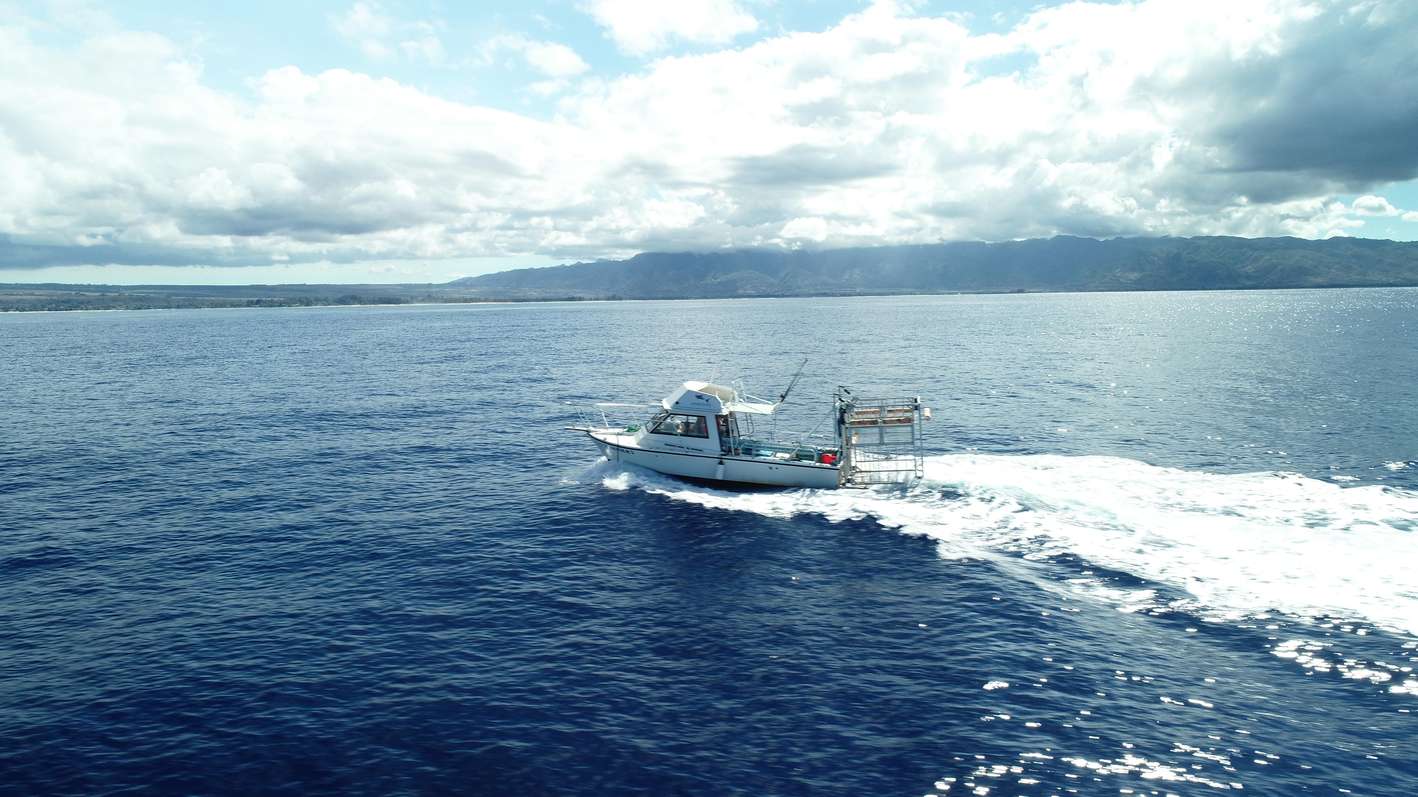
1Safety briefing at the harbor· about 10 minYour guide walks through how the cage works and answers questions before the boat leaves Haleiwa.2Boat ride out to the site· about 20 minA scenic run along the coast to water where the sea floor drops 250 to 300 feet, three miles out.3Sharks at the cage· about 20 minIn the cage you hold the bars while Galapagos and sandbar sharks glide past the bars, often inches away.4Watching from the deck· about 20 minWhile other groups take their turn, you watch sharks from the boat and photograph dolphins and turtles.5Ride back to Haleiwa· about 20 minThe return run along the lush North Shore coastline, with your own underwater photos to take home.
Included
Shark cruiseServices of a guideCage dive (if option selected)Snorkel equipment (if dive option selected)
Not included
Food and drinksTips (optional)
How to reserve your place in the shark cage
01
Pick a date with a morning slot
Choose a date and grab the earliest departure you can, ideally between 6 am and 9 am. Trade winds stay light then, so the ride out of Haleiwa is smoother and the water is clearest. Afternoon boats run into building chop and more weather calls.
Pro tipTours run daily year-round, so book early slots even midweek; sharks show in every month off Haleiwa.
RecommendedWinter swells from November to March close the harbor sometimes, so a summer date gives you more certainty.
02
Choose your option
Every tour lists a diver option and a ride-along option. Pick the cage dive if you want in the water, or the boat-rider option if someone in your group would rather watch from the deck. Both stay on the same boat.
Common mistakeFamilies often book separate tours for non-swimmers, when one boat-rider ticket covers them on the same trip.
Pro tipRotations in the cage hold up to 8 people at a time, so expect about 20 minutes in the water on a 1.5 to 2 hour trip.
03
Pay and watch for confirmation
Pay through the booking page and the confirmation arrives with your meeting details. Most tours let you cancel up to 24 hours ahead for a full refund, so a plan change costs you nothing if you act in time.
ImportantIf the operator cancels for weather or unsafe ocean conditions, you can reschedule for another date or take a full refund.
04
Find the meeting point
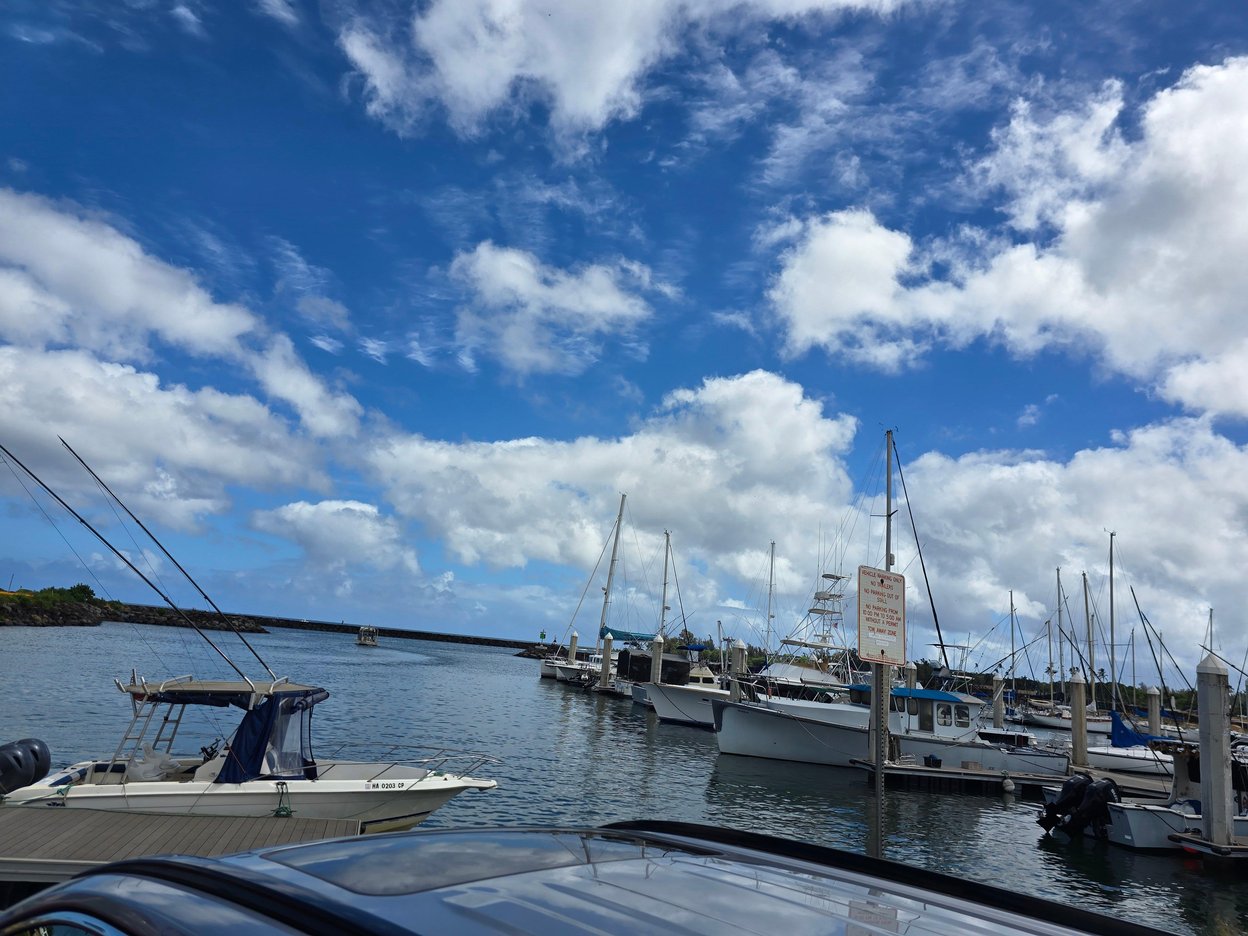
Plan to arrive at Haleiwa Small Boat Harbor on Oahu's North Shore. Coming from Waikiki, the drive runs 45 to 75 minutes, so budget 1.5 to 2 hours total and aim to reach the docks 30 to 45 minutes before departure for check-in, waivers and the safety briefing.
Pro tipParking at the harbor is free and roomy, so no need to circle for a spot.
RecommendedBring a photo ID if the tour asks for one; a copy is usually accepted.
05
What to do on the day
Pack your swimsuit, towel, sunscreen and motion sickness medication, and take the medication both the night before and that morning. Boats leave from the harbor and run 15 to 20 minutes offshore, so keep gear in a dry bag and wear slip-on shoes you can leave dockside.
Common mistakeFirst-timers skip the medication and spend the ride queasy; the swell offshore catches people who felt fine on land.
Pro tipMasks and snorkels are provided on board, but bringing your own fitted mask saves the fit fumbling.
Friendly, knowledgeable guides come up in nearly every review, putting nervous swimmers at ease within minutes.
Best surprise
Several travelers got a bonus they never planned for: dolphins alongside the boat on the ride out.
Most common wish
Many wished they had taken motion sickness tablets before boarding, even those who never get seasick.
Meet sharks eye to eye through a cage window 3 miles offshore
Some cage tours show you sharks through steel bars. This one adds plexiglass windows, so a curious Galapagos shark can glide up and meet your eyes a few inches away. The boat runs three miles offshore, where sandbar and Galapagos sharks gather year-round.
The crew folds in shark biology and Hawaiian mythology, and you can join their ongoing shark research. Anyone comfortable in water can do it, no scuba needed.
Sharks inches from your faceWild Galapagos and sandbar sharks pass within inches to a few feet of the cage's plexiglass windows.
A trip that gives backGuests rate this 2-hour tour 4.7 out of 5, and every booking contributes to shark conservation.
Easy on first-timersYou only need to be comfortable in water; masks, snorkels and a full safety briefing come included.
Cancel up to 24 hours ahead for a full refund, so you can hold your date while plans settle.
What to know before you book a shark cage dive in Oahu
Can stop the dayGood to knowGood news
01
ChoosingWhat it is, who it suits, when to go
4
Holding on
Handrails run all around the inside of the cage, so you can steady yourself at the surface or pull yourself lower. Ocean swells can toss you around a little, and in choppy water you may brush against the bars or another guest, so keep a firm grip. Most people settle in within a few minutes.
Your turn in the cage
Boats carry up to 12 to 14 passengers and the cage holds 6 to 8 people at a time, so the crew splits everyone into two or three groups. Each group gets about 20 minutes in the water; the rest of the 1.5 to 2 hours is the boat ride out and back, plus watching sharks from the deck.
Sharks you see
Galapagos and sandbar sharks gather naturally about three miles off Haleiwa, and they swim right up to the bars and windows, often within inches. Chumming and feeding sharks is illegal in Hawaii, so operators attract them with the boat's engine sound alone, the way fishing boats do.
Seasickness
Rough ocean swells cause seasickness on the boat and in the cage, so take motion sickness medication both the night before and the morning of the trip. Once you are already vomiting, pills stop working. The crew can head for calmer water or back to the harbor if needed.
02
BookingHow far ahead, and what happens if plans change
2
Timing
Book the earliest departure you can, between 6 am and 9 am. Trade winds stay light at first light, giving the calmest seas and the clearest water. Later in the day the wind builds, the chop gets rougher, and cancellations become more likely.
Weather
These trips run year-round from Haleiwa Harbor, but big winter swells from November through March can shut tours down for days. If weather cancels your tour, most operators let you reschedule or take a full refund. Check-in is usually 30 minutes before departure for waivers and the safety briefing.
03
Before you goPapers, health, what to bring
2
What to bring
The boats supply masks and snorkels, and you can bring your own fitted mask if you prefer. Bring your own swimsuit, towel, sunscreen and sunglasses with a strap. Swimwear is all you wear in the warm water, though your own wetsuit top is welcome.
Age limitsCan stop the day
Minimum ages vary by operator, generally set at 5 years old, and a few operators take children from age 3 with the captain's approval. Non-swimmers can enter the cage because it floats with its top above water. If a rule like this decides your booking, check the age limit with the tour operator you pick.
04
During the tourWhat is expected of you
4
How the cage works
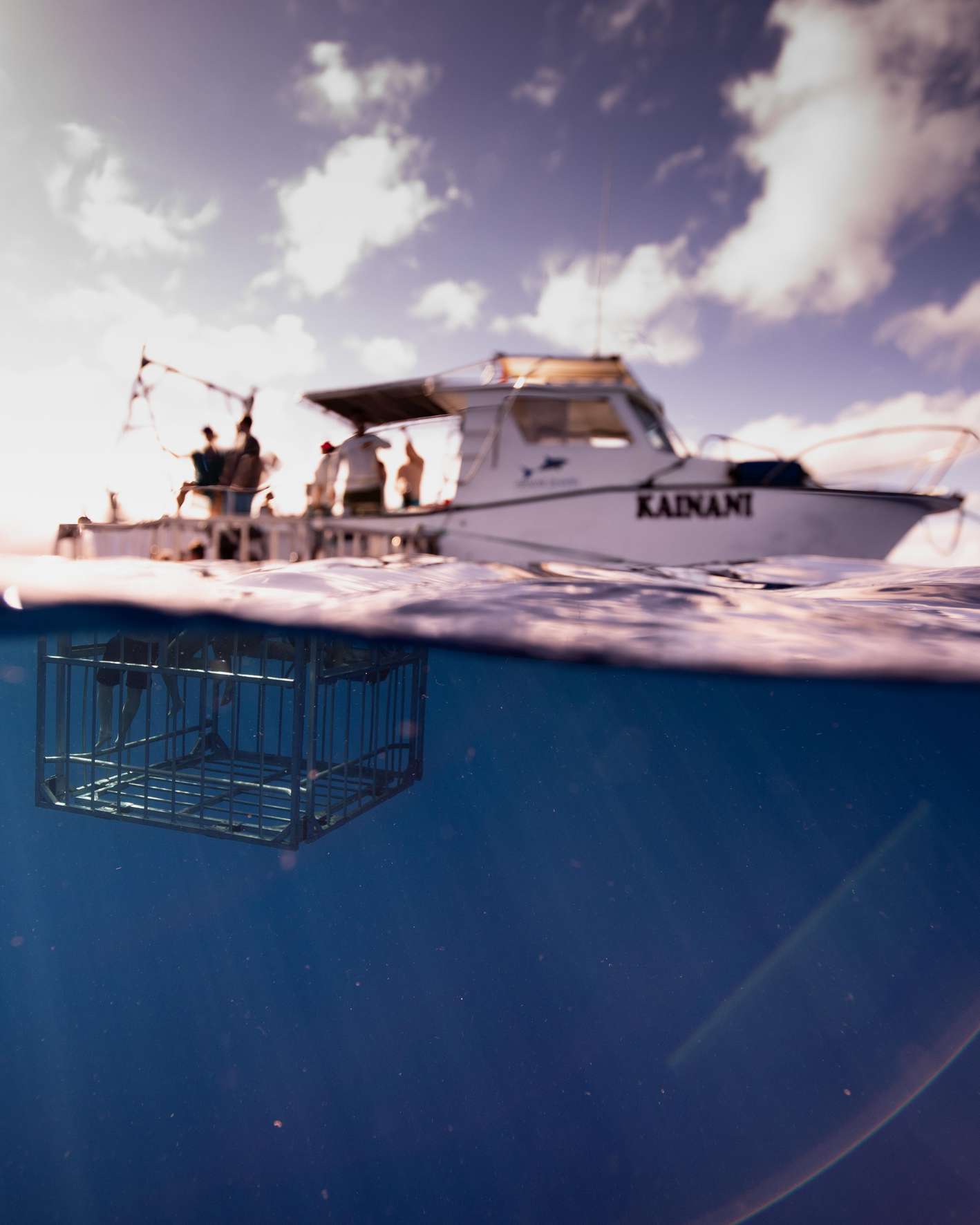
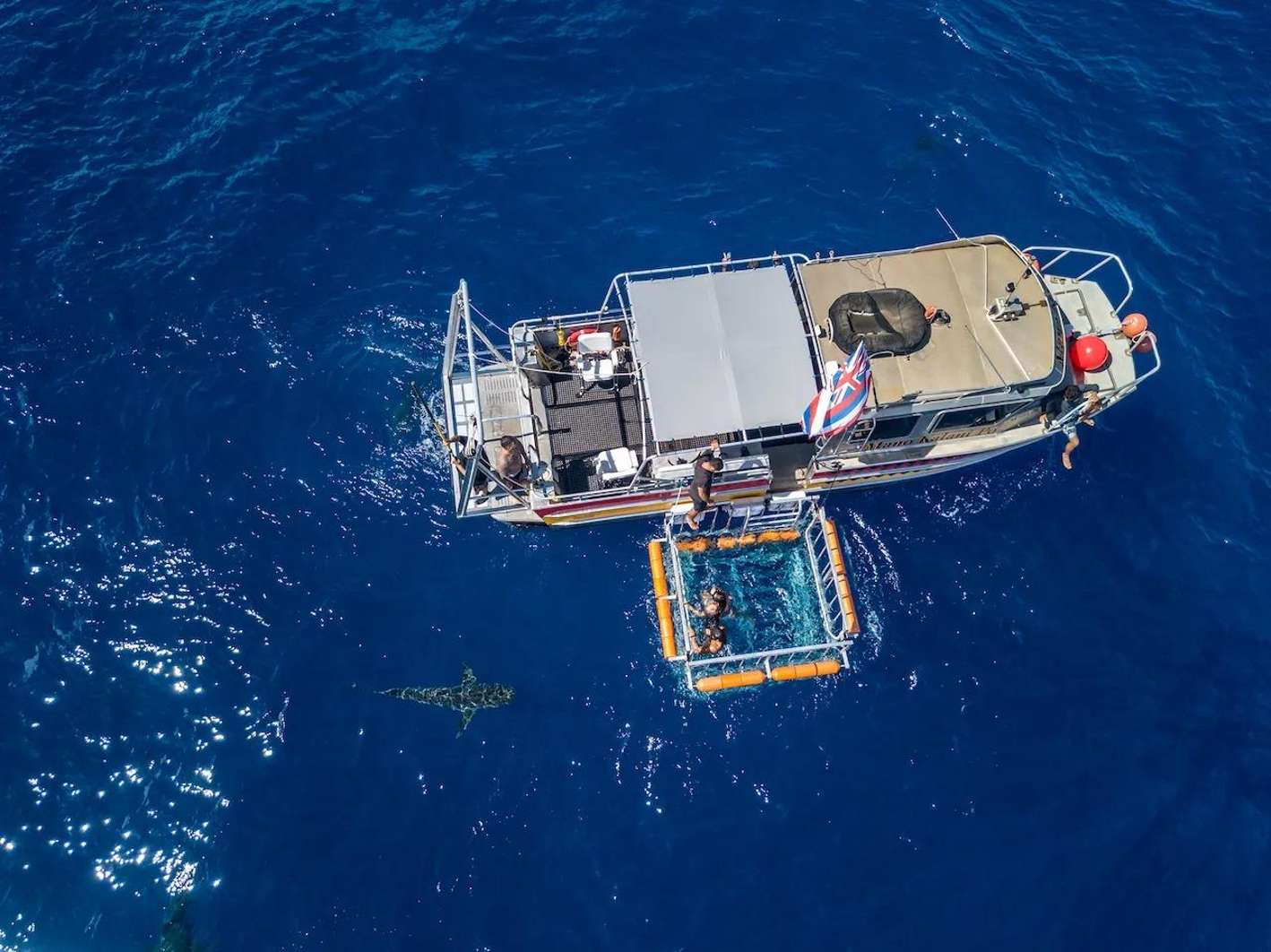
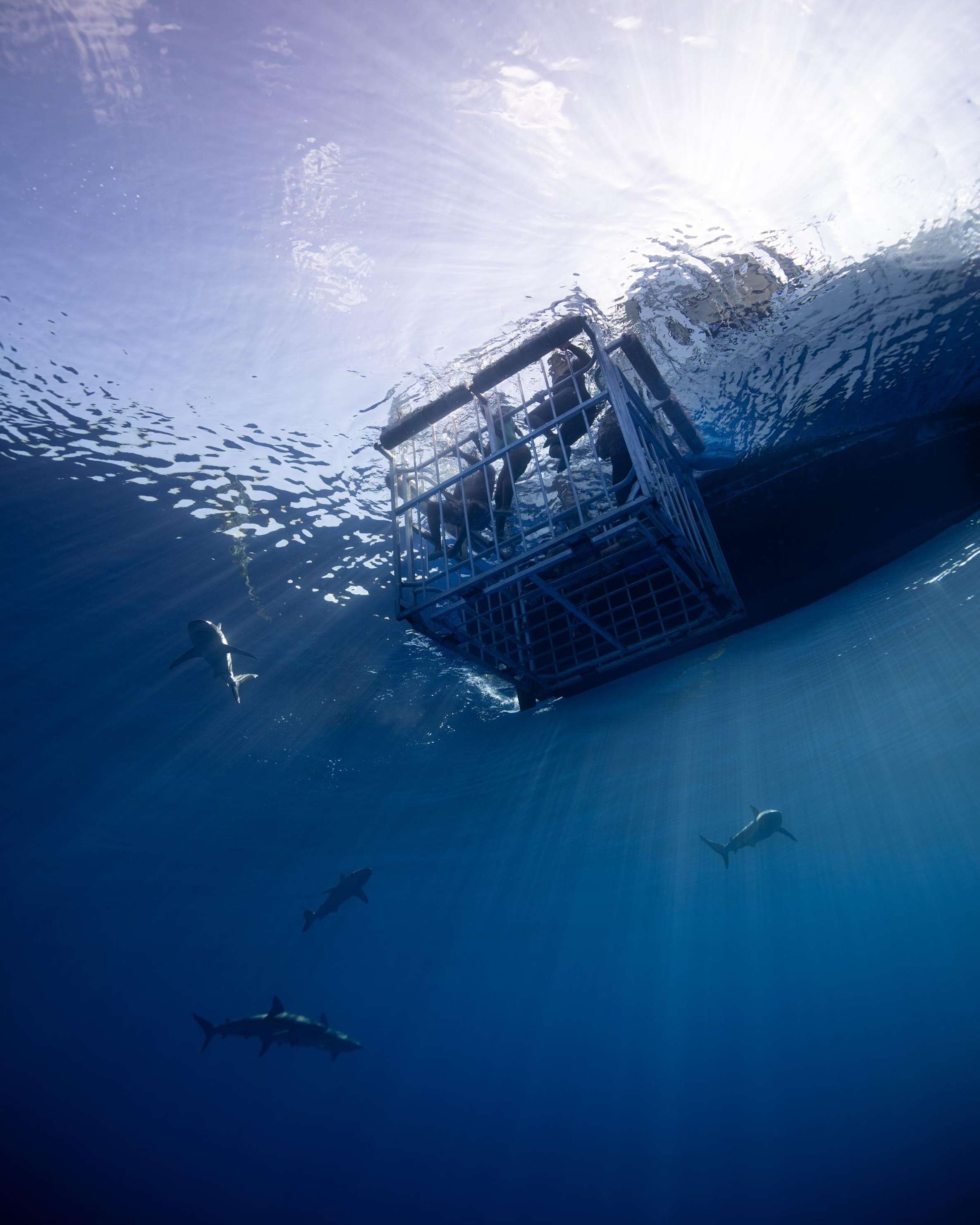
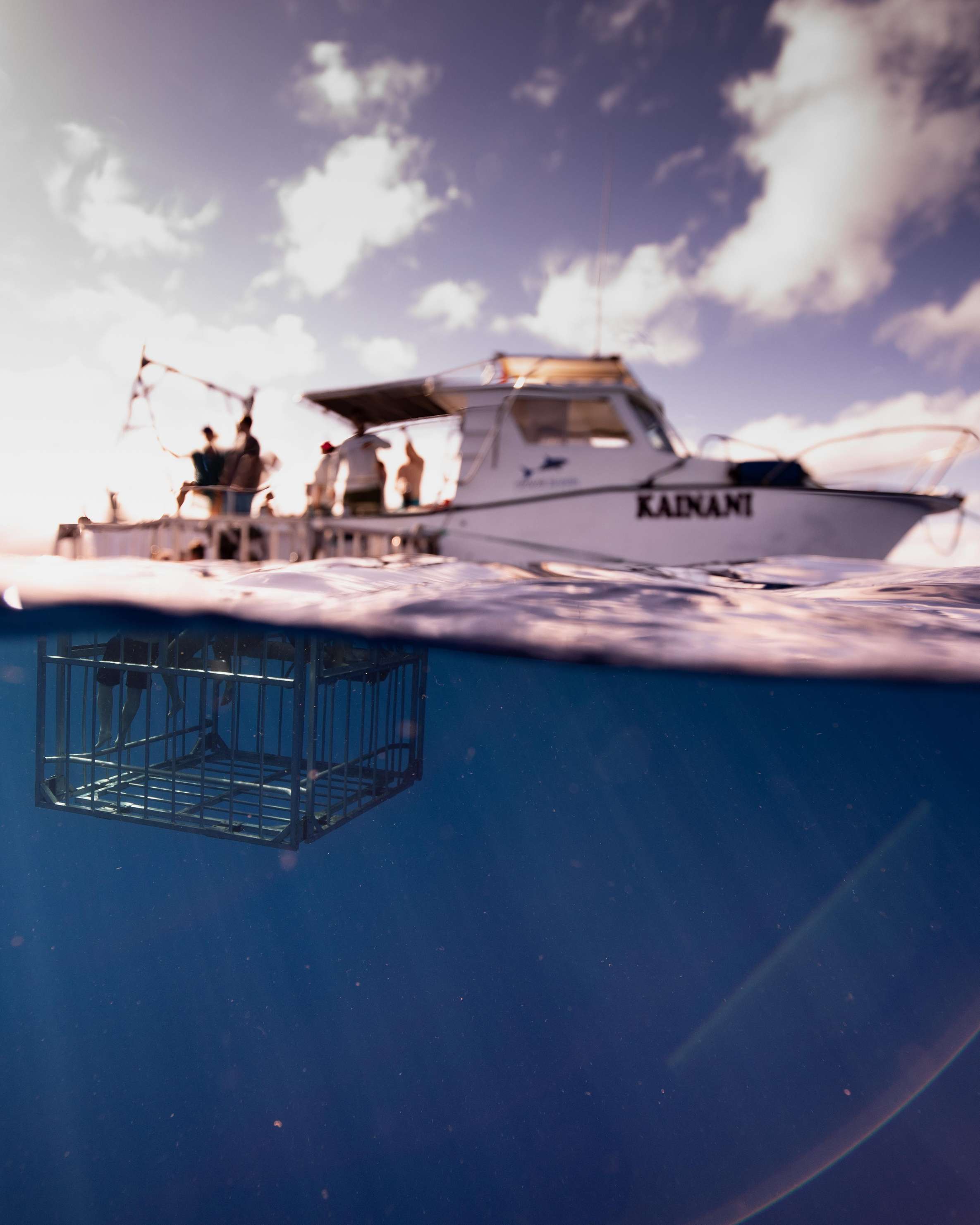
The cage floats at the surface, tethered to the boat, with its top rail above the water. It is built from marine-grade reinforced steel, with double-lock gates and polycarbonate windows that keep your hands and camera inside the frame. If a cable ever came loose, built-in flotation keeps the cage at the surface.
Swimming skill
You do not need to be a strong swimmer, and no scuba training or tanks are involved. Salt water keeps you buoyant while you breathe through a snorkel at the surface and hold the bars. You do need to be comfortable in water, and steady enough to climb a vertical ladder over the boat's side under your own weight.
Nerves
First-timers who arrive nervous generally relax within a few minutes in the water once they watch how the sharks behave. If you feel queasy, many people find that entering the cage actually settles them, because floating in the water removes the boat's roll.
Cameras
Underwater cameras and GoPros are welcome in the cage, ideally with a wrist mount, floating strap or short grip so a swell cannot knock them loose. Drones and alcohol are banned on the boats. Several operators also sell professional photo and video packages on board.
Cage diving with sharks in Oahu - the full guide
Every cage trip here leaves from one harbor on the North Shore, three miles from the sharks it visits. This guide walks you from the booking to the dock at Haleiwa, so the whole day holds together.
Haleiwa· 21.59° N, 158.11° W
If you only remember three things
1
Book the first boat of the day, between 6 am and 7 am, when the water is calmest and clearest.
2
Expect about 20 minutes in the cage, rotated in groups of 6 to 8 while the rest of the boat watches from the rail.
3
Go between May and September for flat seas; winter swells cancel trips, with a reschedule or full refund if they do.
Is seeing sharks from a cage actually worth it
The question arrives before the booking does: without great whites, is this a real encounter or a boat ride with a fence in it? Off Haleiwa it is neither doubt you need.
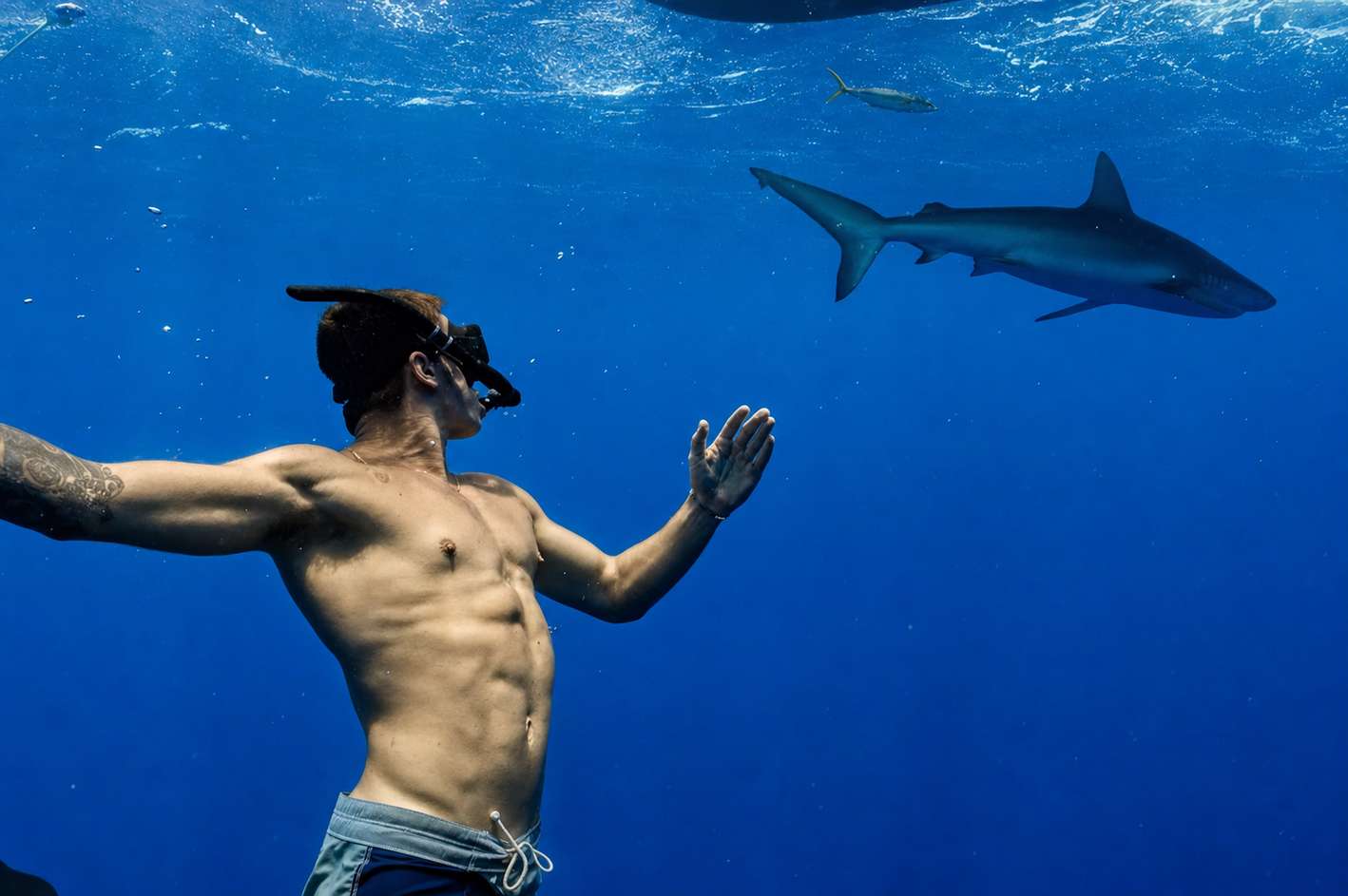
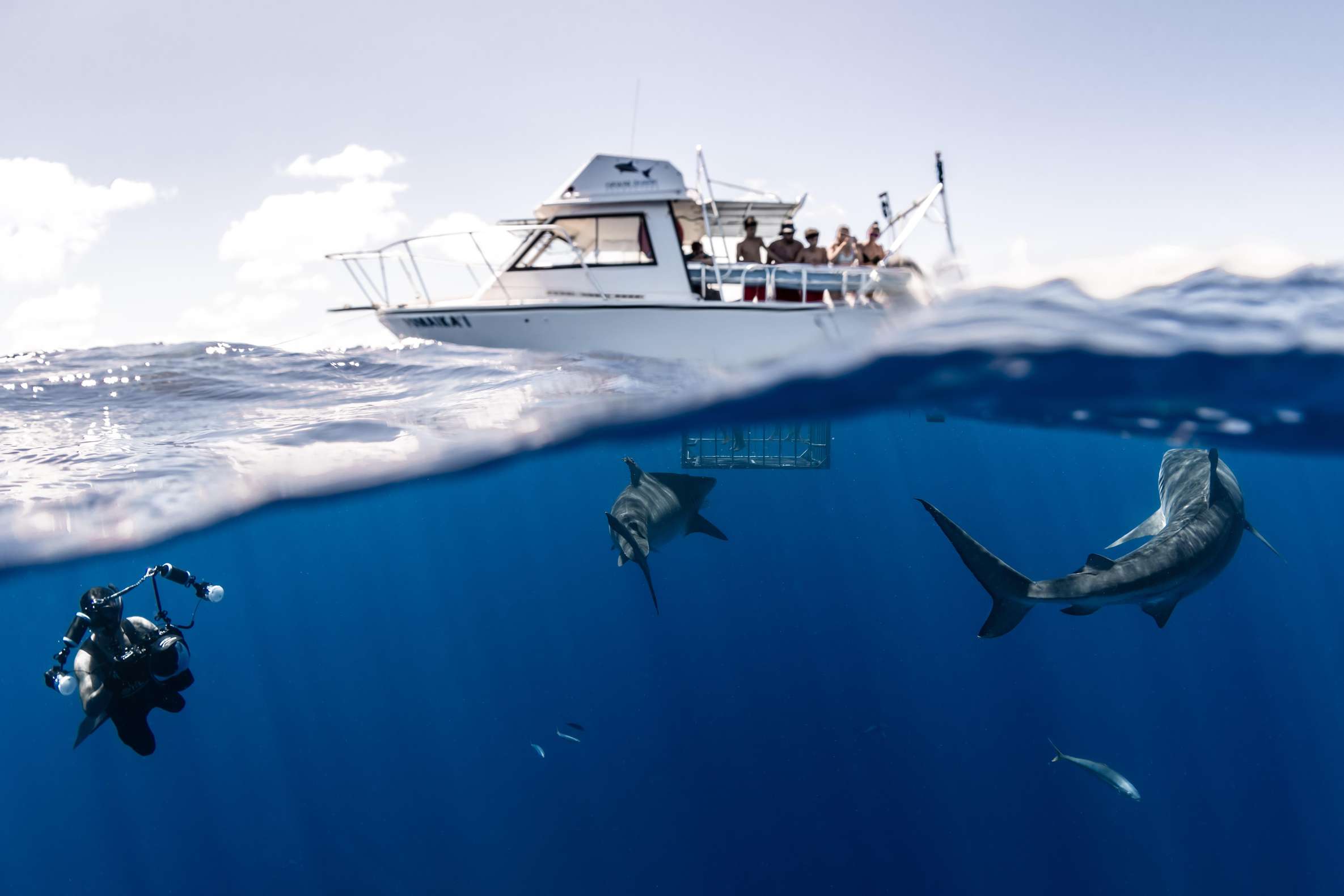
Galapagos and sandbar sharks live here year-round, and they come to the boats consistently, gliding straight up to the bars and the polyglass windows, often close enough that you could reach out and touch one.
People who go describe the first two minutes as the hard part. The fear dissolves fast once the sharks arrive and simply cruise past, calm and uninterested.
A traveler's note
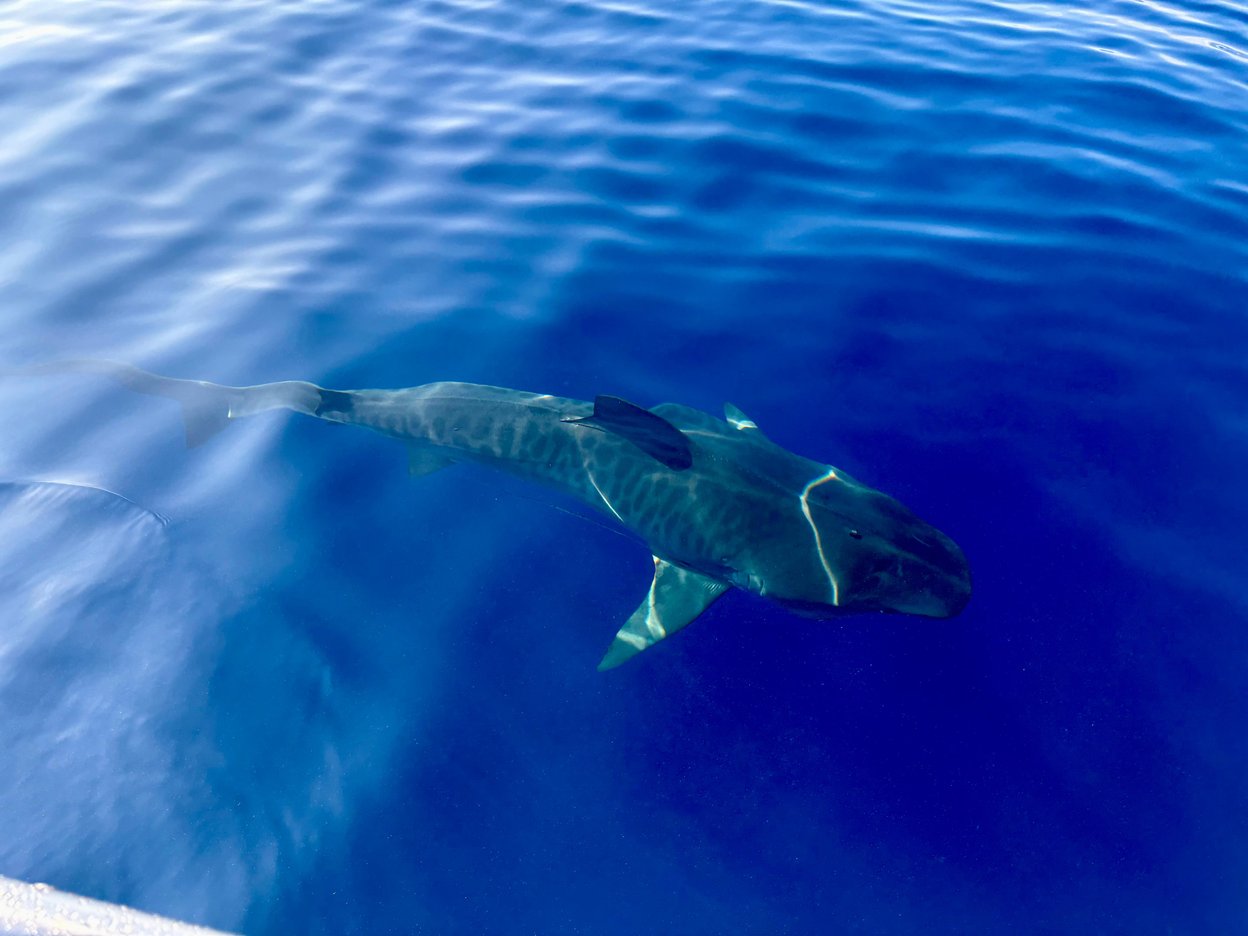
Super tour! Guides explained everything briefly, answered questions, felt genuinely safe. First trip postponed due to weather. Saw two tiger sharks; snorkel and camera (extra fee) provided. 20 min in water was plenty.
The guides make it work for beginners too. No scuba certification is needed, and you do not have to be a strong swimmer, which is why so many families treat this as their first open-ocean encounter.
For the shortest, simplest version of the whole thing, the 1.5-hour Oahu: Shark Cage Dive on the North Shore gets you from the dock to the cage and back in a single morning, with the snorkel gear supplied.
Tour for this
Oahu: Shark Cage Dive on the North Shore4.9★ (1,819) · 1.5 hours · Free cancellation
Three to four miles off Haleiwa, the sea floor drops away to between 250 and 300 feet, and the water turns that deep cobalt blue people photograph through cage windows.
The cage floats at the surface, tethered to the boat, and the sharks come to you. Wild Galapagos and sandbar sharks typically pass within inches to a few feet of the viewing bars and plexiglass panels.
Oahu's waters hold around 40 shark species, but the two you meet out here are the residents: Galapagos sharks and sandbar sharks, which gather year-round over that drop-off.
Tiger sharks show up more often from July through October, and scalloped hammerheads appear mainly in spring and early summer. None of it is guaranteed by species, but the residents rarely miss a morning.
Shark distance and cage dimensions
Inches to 3 ftdistance from sharks to cage bars
10 × 8 × 8 ftcage dimensions
3 to 4 midistance offshore
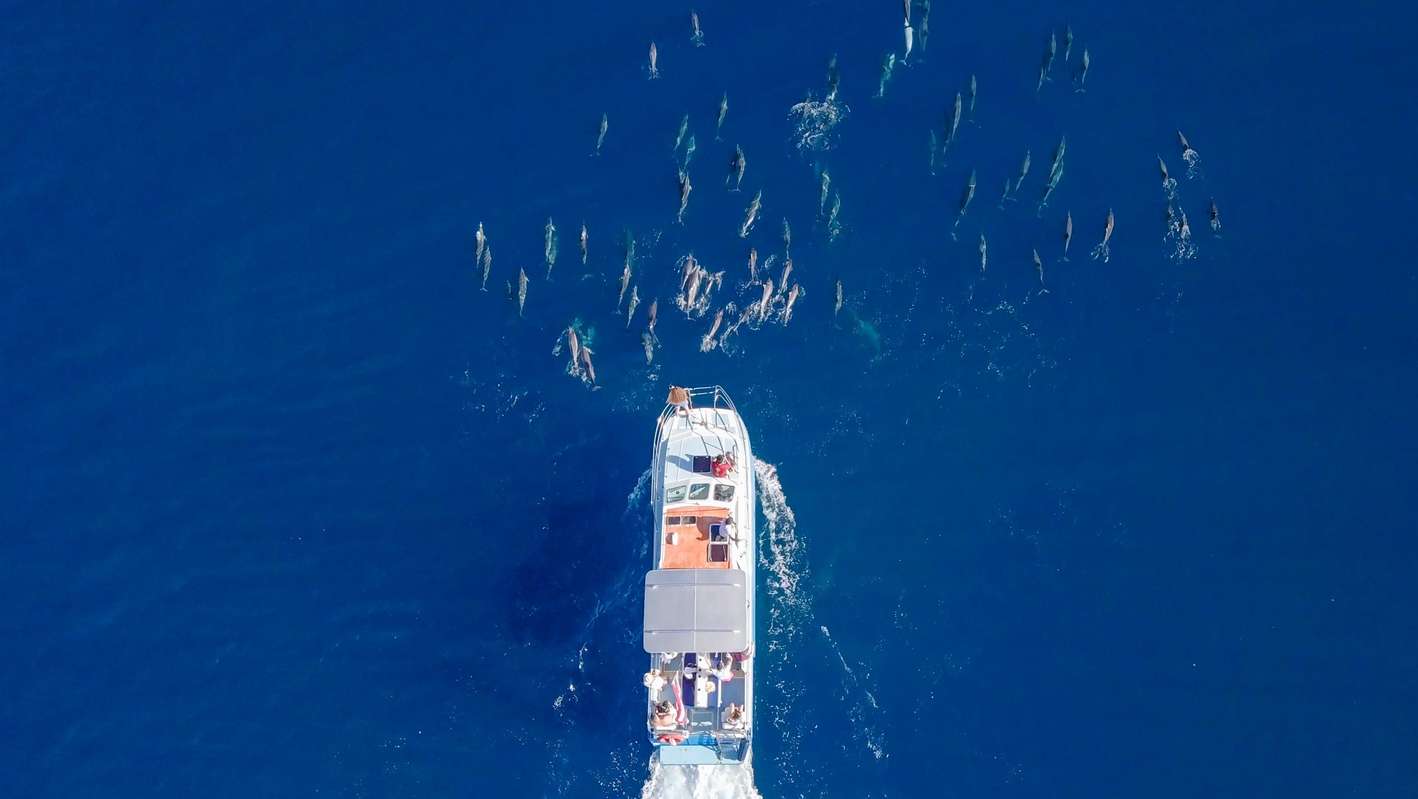
The ride out adds its own sightings. Dolphins appear year-round and peak in October and November, humpback whales pass through from January to March, and turtles, barracuda, tuna and mahi-mahi all turn up on North Shore trips. Keep your camera ready from the dock onward, because the dolphins often show up before the cage does.
Tour for this
Oahu: Shark Cage Diving Tour 3 Miles Offshore4.7★ (73) · 2 hours · Free cancellation
The Jaws image of a cage is a movie prop, and the real thing is heavier engineering. North Shore cages are built from marine-grade reinforced steel, with bars spaced to keep sharks out while you see straight through.
Clear polycarbonate windows stop hands and cameras from drifting out of the cage. Double-lock gates and shock-absorbing tether lines hold the whole setup steady as conditions change.
The cage floats. Its top rail sits above the water and integrated flotation chambers keep it at the surface even if a cable loosens, which is why no commercial cage has ever sunk with divers inside.
The one famous sinking happened during filming for Jaws, when a great white broke a boat winch and destroyed an unoccupied cage.
The record around Haleiwa backs the hardware. Research from the Hawai'i Institute of Marine Biology found no evidence that the cage operations there threaten public safety, and a study of cage diving found no rise in shark incidents along Oahu's north coast since the activity began.
Hawaii's state incident database does not identify any shark diving companies.
What people get wrong
MythCages sink with people inside
Reality
No commercial cage has ever done so; they are built to float even if detached from the boat
MythChummed sharks turn aggressive around swimmers
Reality
Chumming and feeding are illegal in Hawaii; the sharks come to boat engine sound instead
MythYou need dive training to do this
Reality
You breathe through a snorkel at the surface, with no tanks and no certification
MythThe Haleiwa operators have caused incidents
Reality
The state incident database names no shark diving companies, and studies found no safety threat
That list settles most of the nerves people carry to the dock. What is left is the ordinary kind of caution, the sort the crew handles with a briefing and a ladder.
You don't need to be a diver or even a strong swimmer
The cage never takes you underwater. It floats at the surface with its top rail above water, attached to the boat, so you breathe through an ordinary snorkel the whole time. Salt water keeps you buoyant, and the job in the cage is simple: hold the handrails.
Bars run all around the interior, so when a swell rolls the cage you grip on, steady yourself at the surface, or pull yourself a little lower for a different angle.
Getting in and out is a vertical ladder under crew direction, which asks for the strength to step over the boat's side and climb under your own weight. That is the whole physical test.
Kids fit in too. Minimum ages vary by operator, generally set at 5 years old, with some taking children from 3 at the captain's discretion. Non-swimmers are allowed in the cage for exactly the reason above: nothing submerges, nothing swims away from you.
What nobody tells you
You never submerge and never use scuba gear
The cage floats at the surface and you breathe through a snorkel the whole time
Children as young as 5 can enter the cage
Age limits vary by operator, and the cage asks nothing more than holding the handrails
Anyone can come along and stay dry
Every tour on this harbor carries boat riders who watch the sharks from the deck
Scared swimmers settle in minutes
Fear of sharks usually fades within a few minutes of watching how the animals behave
That last line is the one worth rereading if you are booking for a nervous swimmer. The fear rarely survives the first shark that glides past, and a dry seat on the boat is always there for whoever wants it.
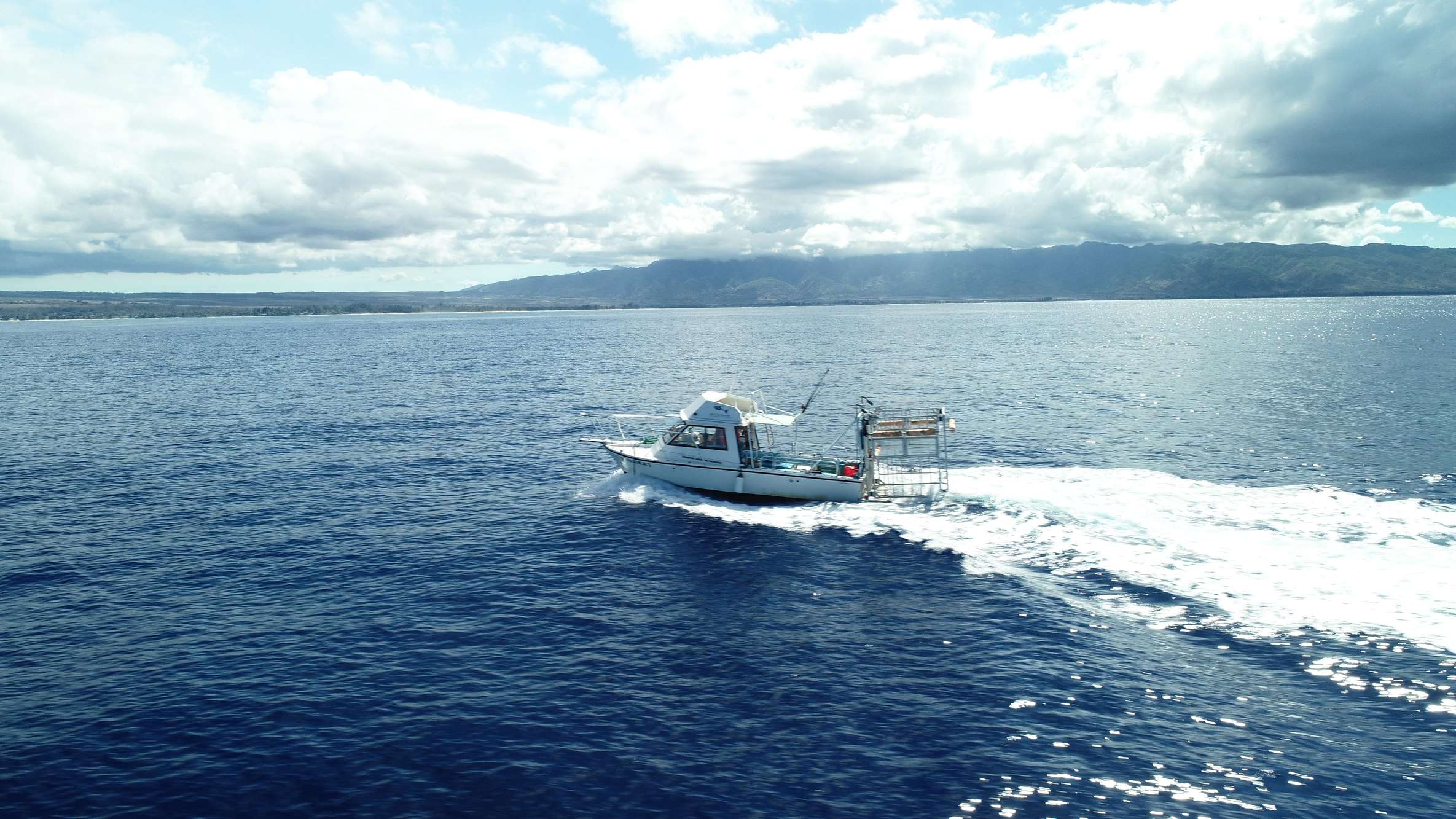
Check-in comes first, 30 minutes before departure, at the docks at Haleiwa Small Boat Harbor: waivers, a safety briefing and a shark talk from the crew. Then the run offshore, 15 to 20 minutes of open water to the site three miles out.
Once the cage goes in, the crew splits the boat into two or three groups. Boats carry up to 12 to 14 passengers and the cage holds 6 to 8 at a time, so your turn in the water runs about 20 minutes while the others watch and photograph sharks from the deck.
Everyone gets their rotation; the rest of the 1.5 to 2 hours is the boat ride and the viewing from the rail.
Shark cage rotation and group sizes
6 to 8 peoplein-cage rotation size
12 to 14 gueststotal boat capacity
20 minuteswater time per rotation
Inside the cage, swells are the honest part of the story. Chop can toss you around against the bars, and people who go often mention bruises and stray kicks from cage mates on rougher days.
Hold firmly to the interior and let the crew pick a calm window; the same rolling water that rocks the boat barely registers once you are floating in it.
The worry most travelers carry is chum: blood in the water, sharks taught to associate people with food. In Hawaii that practice is illegal. Baiting or chumming on commercial wildlife tours is banned in both state and federal waters, and feeding animals is not allowed on any of these trips.
So why do the sharks come? Sound. Pelagic sharks here have learned that the low resonance of a boat engine means crab and bottom-fishing boats working the ground, and resident populations have gathered off the North Shore where fishing boats have operated for generations. The engine does the attracting; nobody throws anything overboard.
Well-run cage diving is generally harmless to sharks. The harm happens where operators bait heavily or provoke dramatic behavior, and Hawaii's rules close off both.
Crews on these trips enforce a no-touching rule in the water, and the sharks are free to approach or drift away as they choose.
For a trip built around that respect, Haleiwa: North Shore Shark Cage Dive & Hawaiian Legends pairs the dive with Native Hawaiian guides who talk about the mano as caretaker of the ocean and a family guardian in Hawaiian tradition, which changes how the whole encounter feels.
The tour runs every day of the year, and the sharks show up in every month. What changes is the ocean. From May through September, waves off Haleiwa stay under 1.5 meters on 83 to 99 percent of days, water sits near 80°F, and visibility offshore can reach 150 feet.
Winter flips the picture: calm days drop to 13 percent in January, swells build past 2 meters, visibility falls to a variable 30 to 60 feet, and water cools to the mid-70s.
The hour matters as much as the month. The first boat out, between 6 am and 7 am, gets the calmest sea and the clearest water, because trade winds stay light at first light and build through the afternoon into rougher chop and more cancellations.
Oahu shark diving conditions and water temperature by month
August is the peak month for shark tour bookings, featuring Oahu's warmest weather and 80°F ocean water.
HighestJul to Oct
In betweenApr to May
LowestJun, Nov to Mar
Darker: a higher how busy it gets score, out of 5
Tap a month to read it.
September: 5 out of 5 for water temperature. Water peaks at 81°F (27°C); wetsuits are unnecessary and rash guards suffice.
HighestJun to Nov
In betweenMay, Dec
LowestJan to Apr
Darker: a higher water temperature score, out of 5
Tap a month to read it.
August is the peak month for shark tour bookings, featuring Oahu's warmest weather and 80°F ocean water.
HighestJun to Oct25.4 to 26.4 °C
In betweenMay, Nov24.5 to 25 °C
LowestDec to Apr23.4 to 24.1 °C
Darker months: higher, from 23.4 to 26.4 °C
Tap a month to read it.
January is one of the quietest months for shark tours, with cooler 76°F water and winter ocean swells that make a 2mm shorty or neoprene top helpful.
Lowestall year0 days
Darker months: higher, from 0 to 0 days
Tap a month to read it.
Packing follows the water temperature. From June through October a UV rash guard is enough, with a thin 1 to 2 mm neoprene top optional for the early boat ride.
From December through May, add a 1.5 to 2 mm shorty for the longer time in the water. Wetsuits are never required here; the water never gets cold enough to demand one.
Three cage trips leave this harbor, and they differ in length, flavor and who they suit. The 1.5-hour Oahu: Shark Cage Dive on the North Shore is the short, straightforward first-timer's run along the coast.
The other two each spend 2 hours and add something of their own: one takes a shark biologist's view of the animals, the other tells the Hawaiian side of the shark on the way out.
Choosing between the Haleiwa cage tours
Oahu: Shark Cage Dive on the North Shore
Oahu: Shark Cage Diving Tour 3 Miles Offshore
Haleiwa: North Shore Shark Cage Dive & Hawaiian Legends
Time on the water
1.5 hours, the shortest trip out
2 hours
2 hours
What the guide adds
A certified guide and a straightforward safety briefing
Shark biology, behavior and a conservation talk from an expert guide
Native Hawaiian guides telling legends of the shark god Kamohoali'i
The setting
Close coastal run along the North Shore
Three miles offshore to the deep drop-off
Three miles out with cultural storytelling on the way
Boat option for non-swimmers
Spectator seat on the boat
Observer seat on the boat
Boat rider seat
Who it fits
First-timers on a tight morning
Travelers who want the science and the research angle
Anyone drawn to the Hawaiian side of the shark
Oahu: Shark Cage Dive on the North Shore
Time on the water
1.5 hours, the shortest trip out
What the guide adds
A certified guide and a straightforward safety briefing
The setting
Close coastal run along the North Shore
Boat option for non-swimmers
Spectator seat on the boat
Who it fits
First-timers on a tight morning
Oahu: Shark Cage Diving Tour 3 Miles Offshore
Time on the water
2 hours
What the guide adds
Shark biology, behavior and a conservation talk from an expert guide
The setting
Three miles offshore to the deep drop-off
Boat option for non-swimmers
Observer seat on the boat
Who it fits
Travelers who want the science and the research angle
Haleiwa: North Shore Shark Cage Dive & Hawaiian Legends
Time on the water
2 hours
What the guide adds
Native Hawaiian guides telling legends of the shark god Kamohoali'i
The setting
Three miles out with cultural storytelling on the way
Boat option for non-swimmers
Boat rider seat
Who it fits
Anyone drawn to the Hawaiian side of the shark
One more question settles the destination itself: Maui has no cage diving at all. The shark experience there happens without a cage, so Oahu's North Shore is where this trip exists in Hawaii.
If the marine-biology angle is what pulls you, the 2-hour Oahu: Shark Cage Diving Tour 3 Miles Offshore is the one built for it, out at the drop-off with a guide who talks you through what each shark is doing.
Tour for this
Oahu: Shark Cage Diving Tour 3 Miles Offshore4.7★ (73) · 2 hours · Free cancellation
The alarm goes off early for this one. The standard route from Waikiki runs Interstate H-1 West to Interstate H-2 North through Central Oahu, then onto Kamehameha Highway into Haleiwa and the small boat harbor. The drive covers roughly 32 to 35 miles and takes 45 to 75 minutes in morning traffic.
Budget 1.5 to 2 hours from Waikiki in total. That buffer covers highway slowdowns and gets you to the docks 30 to 45 minutes before departure, which is what check-in, waivers and the safety briefing need. Missing the briefing means missing the boat.
Parking solves itself. Public parking in and around Haleiwa Harbor is free and roomy, with space even for trucks and trailers, so leave the rental by the docks and walk to the boat.
The only real risk is the return leg for rideshare users: cabs are scarce in Haleiwa, so book the ride back before you sail.
The boat supplies the dive gear: masks and snorkels on board, no scuba equipment, nothing to rent. You bring your own swimsuit and towel, and that is the core of it.
The rest is about the open deck. Boats out of Haleiwa have no enclosed dry storage and take spray on the 15 to 20 minute run offshore, so pack everything in a waterproof dry bag.
Slip-on sandals or flip-flops are the footwear of choice, because everyone removes shoes before boarding and leaves them in dockside bins. A light windbreaker or hoodie earns its place on the ride back, along with reef-safe sunscreen and sunglasses on a retaining strap.
One thing goes in twice: motion sickness medication, the night before and again the morning of the trip. Rough swells cause seasickness on this run more than anything else, and the pill only works if it is in your system before the boat leaves the dock.
Gear and camera rules for Oahu shark cage dives
Underwater camera or GoProPermitted and encouraged in the cage; secure with a wrist lanyard or float strap so swells do not knock it out of your hands.
Short camera hand grip or polePermitted if compact and non-disruptive to other divers; long selfie sticks that obstruct cage mates are not allowed.
Personal mask and snorkelPermitted if you prefer your own fit, though sanitized masks and snorkels are supplied by tour operators.
Swim fins (prohibited)Banned inside floating cages; you stand on bottom bars or hold handrails at the surface, and fins crowd the enclosed space.
Swimsuit or rashguardStandard attire worn inside the cage; rashguards add comfort against the metal handrails and protection from deck sun.
Personal wetsuit (optional)Permitted if you chill easily, though operators do not rent or require them because Hawaiian waters remain warm year-round.
Towel and dry layerEssential for warming up on the boat deck and during the ride back to Haleiwa Harbor after exiting the cage.
Inside the cage, a GoPro or underwater camera is welcome as long as it does not interfere with cage mates, and a wrist mount or floating strap keeps it with you in a swell. Leave fins, drones and alcohol behind; fins are barred inside the cage because they crowd an enclosed space.
Winter on the North Shore is beautiful and sometimes unusable.
Swells from November into March shut down ocean tours for days or even a week at a time, and captains cancel when surf or shorebreak hits 10 to 20 feet, when a High Surf Advisory makes the harbor mouth hazardous, or when runoff and churn drag visibility below 10 to 15 feet.
The exit is clean when it happens. If the operator cancels for weather, you choose between rescheduling or a full refund, and a cancellation can be called up to the scheduled start time, though notice usually comes earlier.
When the day changes
If this happens
What happens then
Operator cancels for weather or unsafe conditions
You pick a reschedule or a full refund
Cancellation called on the day
Notice comes as early as possible, but may arrive up to the start time, so confirm before the drive from Waikiki
You feel seasick offshore
Tell the crew; the skipper can head for calmer water or back to the harbor, and land cures it fast
You freeze up or feel too ill for your rotation
You recover on deck and take a later turn, because groups rotate
Crew sees you dizzy or unable to stand steadily
The divemaster may hold you out of the cage for that rotation
Fear has a shorter shelf life than seasickness. Passengers who start out terrified generally settle within minutes of watching how the sharks behave, and floating in the cage often eases nausea, since the water dampens the boat's roll.
Most morning boats are back by late morning, still buzzing, with the whole afternoon ahead. Directly beside the harbor you can eat within minutes of stepping off the dock: Haleiwa Bowls for an acai bowl, Haleiwa Joe's or the Haleiwa Beach House across from Haleiwa Beach Park when you want a proper plate lunch.
Haleiwa town rewards a slow walk along Kamehameha Highway. Matsumoto Shave Ice sits in a plantation-era building and draws a line by noon, the ʻAnahulu Stream Bridge dates to 1921, and the Haleiwa Beach Park War Memorial is a quiet stop by the sand.
Swimmers often ask about Shark's Cove up the coast. The name is the only thing ominous about it; sharks are no more common there than anywhere else on Oahu, and it is a regular snorkeling spot.
For history, drive 19 minutes to Puʻu o Mahuka Heiau State Monument, a Hawaiian temple site overlooking Waimea Bay, or 10 minutes to Papaʻiloa Beach for a quieter stretch of sand. Two hours with the sharks turns into a full North Shore day without any of it feeling forced.
Cage diving off Haleiwa delivers close, consistent shark encounters without scuba training or strong swimming, behind steel that has never failed anyone.
Book the earliest boat you can, pick your season for the sea state you want, and take the seasickness pill the night before. The ocean decides the rest, and the refund terms give it back to you if the swells win.
Go ifYou want wild sharks up close with a solid barrier between you and themYou are traveling between May and September, or can take any morning in a calm windowYour group includes kids from age 5, non-swimmers or people who would rather watch from the boat
Skip ifYou are prone to seasickness and unwilling to medicate for it, since swells affect this runYou cannot climb a vertical ladder under your own weight to enter and exit the cageYour dates fall in peak winter swell season and you cannot flex the day if the tour cancels
Our pick to book
Oahu: Shark Cage Dive on the North Shore4.9★ (1,819) · 1.5 hours · Free cancellation
The questions travelers ask most before booking a North Shore cage, answered straight.
Haleiwa2026
Twenty minutes face to face with a 15-foot Galapagos shark, gripping the bar and grinning. Book the 6 am boat, the water is glass.
Do I need to know how to scuba dive or swim well?
No scuba training or scuba gear is involved. You float at the surface with a mask and snorkel, holding the cage's handrails. You do not need to be a strong swimmer, though you should be comfortable in water.
How long do I actually spend inside the cage?
About 20 minutes in the water on a trip that runs 1.5 to 2 hours in total. The cage holds 6 to 8 people at a time, so groups rotate, and the rest of the trip is the boat ride out and back plus time watching from the deck.
Is shark cage diving in Oahu safe?
Research from the Hawai'i Institute of Marine Biology found no evidence that Haleiwa cage operations pose a threat to public safety, and studies found no rise in shark incidents on Oahu's north coast since the activity began. Hawaii's state incident database does not identify any shark diving companies.
Can the cage sink?
The cages float at the surface with built-in flotation chambers, so they stay on top even if a tether comes loose. There is no documented case in modern commercial shark diving of a cage sinking with divers inside.
Do the operators chum or feed the sharks?
Feeding or baiting sharks is illegal in Hawaii state and federal waters, and no tour on this island does it. The sharks come to the boats on their own, drawn by engine sounds they connect with local fishing vessels.
Which sharks will I see?
Galapagos sharks and sandbar sharks gather year-round about 3 miles off Haleiwa and are the sharks you will see most. Tiger sharks show up from July through October, and scalloped hammerheads mainly in spring and early summer. No great whites, and still worth the trip.
What is the minimum age for kids?
It depends on the tour operator. Most set the minimum at 5 years old, sometimes at the captain's discretion, and a few take children from age 3. Check the exact rule for the tour you are booking.
Can someone in my group stay on the boat?
Yes. Two of the three cage tours here offer a boat-only option, so a family member can join the trip, watch sharks from the deck and skip the water entirely.
When is the best time of year to go?
May through September brings the calmest seas and the clearest water, with visibility reaching up to 150 feet. Winter swells from November through February make for rougher rides and lower visibility, so book an early morning slot whenever you go.
Will I get seasick, and what happens if I do?
Take motion sickness medication the night before and again that morning, before you board. If you still feel unwell offshore, tell the crew right away. Many people find the rocking stops once they are in the cage, and a skipper can head back to the harbor if needed.
Is this cruel to the sharks?
Done responsibly, shark cage diving is generally not harmful to the animals. The Hawaii tours on this page follow strict rules: no feeding, no provoking, and no baiting, which is what causes problems elsewhere.
Can I cage dive with sharks in Hawaii outside Oahu?
There is no shark cage diving on Maui. The shark experience there happens without a cage, so Oahu's North Shore is where you go for the real thing.
Inches from sharks, no scuba needed
Float in a cage off Oahu's North Shore and come face to face with wild sharks, with free cancellation up to 24 hours in advance.



 Your best match