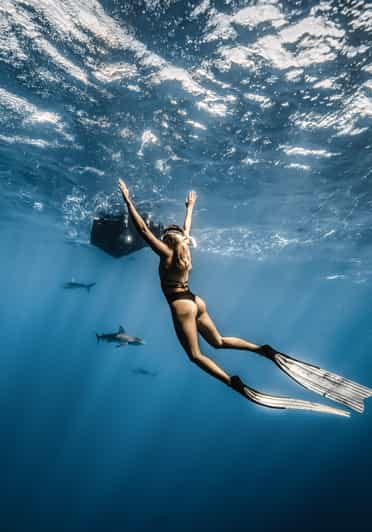
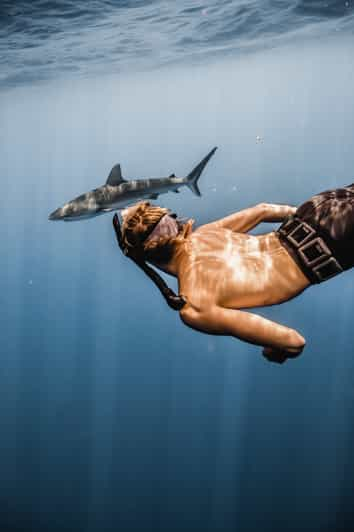
Our pick
105 minutes·English
5.0(5)
Oahu: Cage-Free Shark Diving Adventure
Free cancellationSnorkel, mask, and finsMarine biologist trained crew
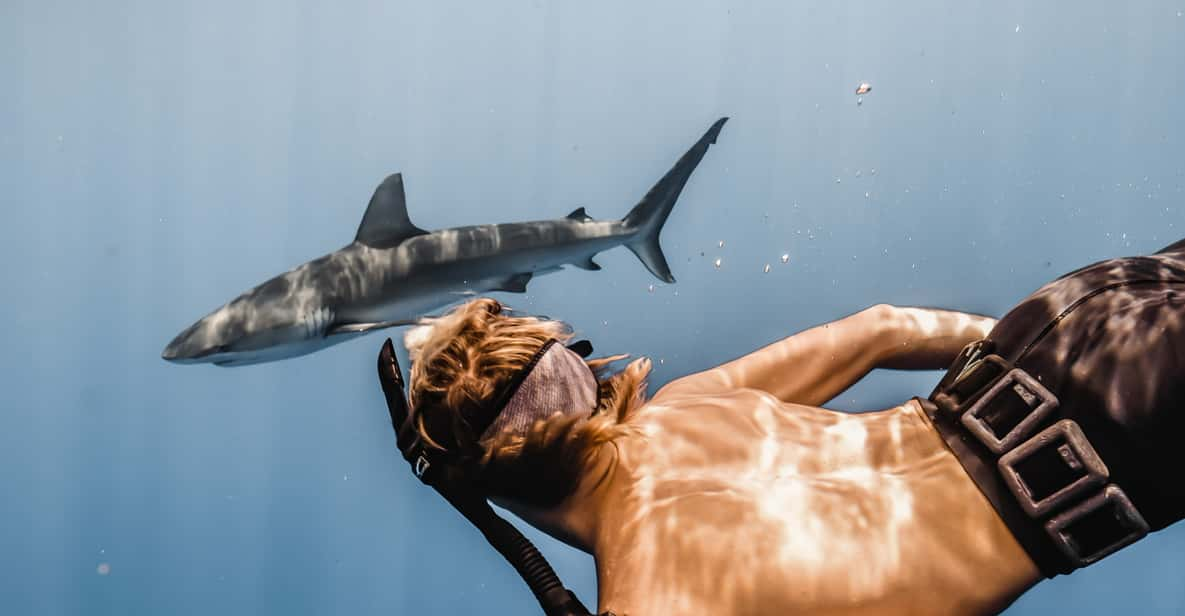
Wanted a shark cage off Waikiki? Every cage on Oahu launches from Haleiwa. Go cage-free with trained marine biologist crews instead, where nervous first-timers say the fear dissolves the moment a Galapagos shark glides past. Book an early boat and be back on the beach by lunch.
Shark cage diving in Honolulu starts with the boats themselves: every cage dive on Oahu runs from Haleiwa Harbor on the North Shore, about an hour from Waikiki, and none leaves from town.
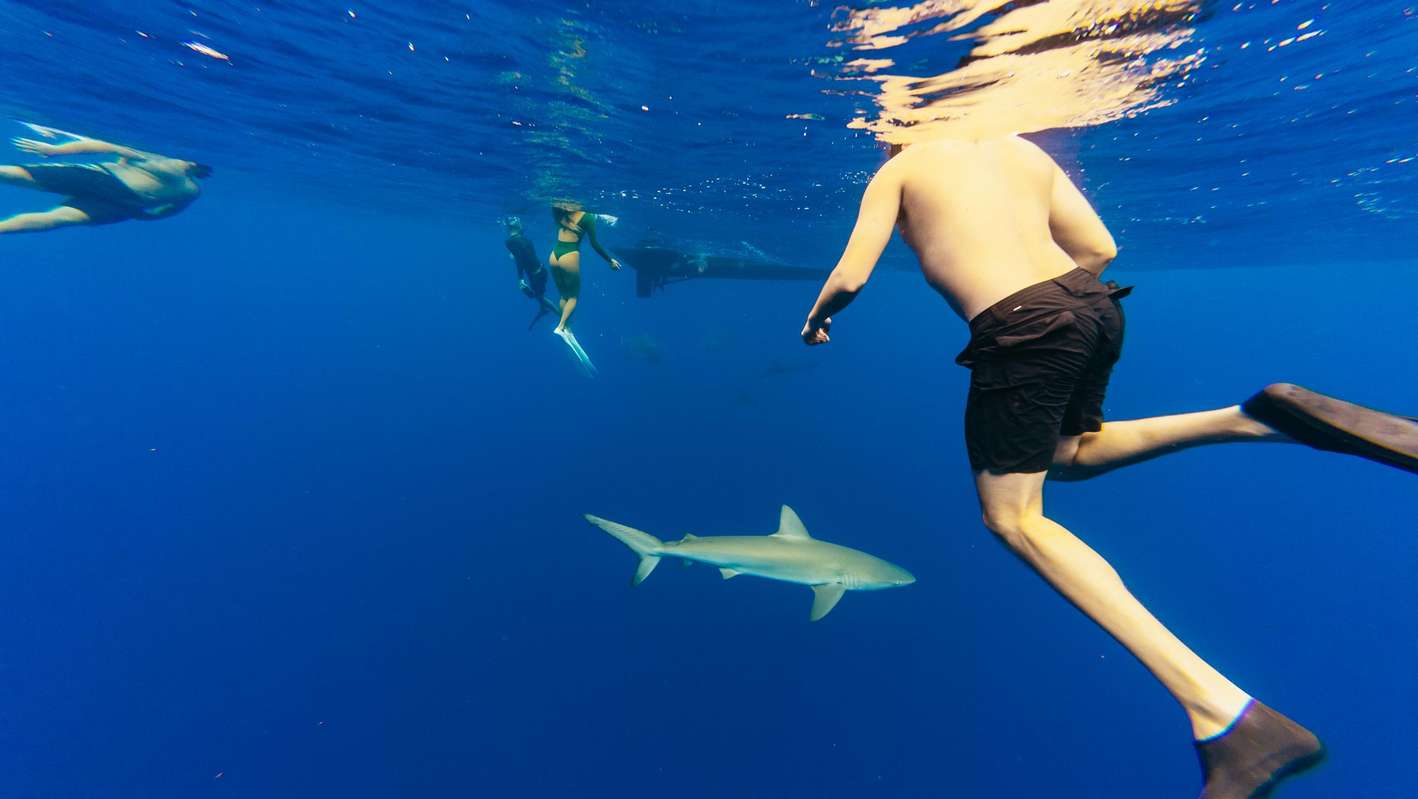
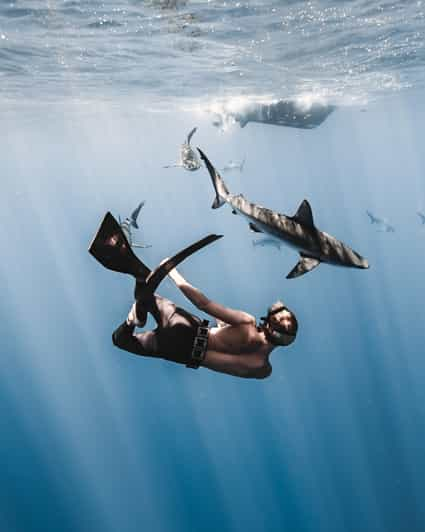
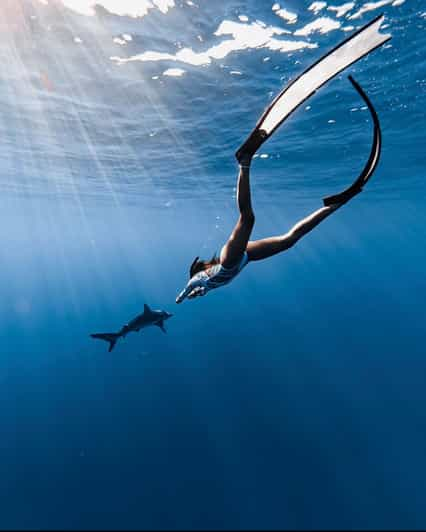
The closest match on this page is the Oahu: Cage-Free Shark Diving Adventure, a 105-minute small-group trip that swims you alongside wild Galapagos and sandbar sharks with a marine biologist crew. It swaps the cage for open water, so confident swimmers get an unobstructed view, and a ride-along option keeps nervous companions on the boat.
The tour we recommend for visitors searching from Honolulu is a cage-free shark dive, and it earns that spot honestly.
Instead of metal bars, you float in open blue water a short swim from the boat, with trained guides beside you the whole time and a full safety briefing on shark behavior before anyone gets wet.
It works well for a Waikiki stay because of the shape of the day. The trip runs 105 minutes, and morning departures tend to meet the calmest ocean.
Snorkel, mask and fins are included, bags and luggage can be stored on board, and the small-group format keeps attention personal. If someone in your party would rather stay dry, a ride-along option keeps them on the boat watching the same sharks.
The crew are marine biologists by training, so you come away understanding what you just saw, not only photographing it. Professional photo and video packages are available to buy on board if you would rather leave your own camera dry.
This suits confident ocean swimmers and curious first-timers alike. One thing to know before booking: guests under 4 ft 3 in (130 cm) cannot join, so check younger travelers against that mark. Free cancellation up to 24 hours ahead makes planning around the swell forecast easy.
Book the Oahu: Cage-Free Shark Diving Adventure and the ocean handles the rest.
Green marks the lowest price. Prices per person.

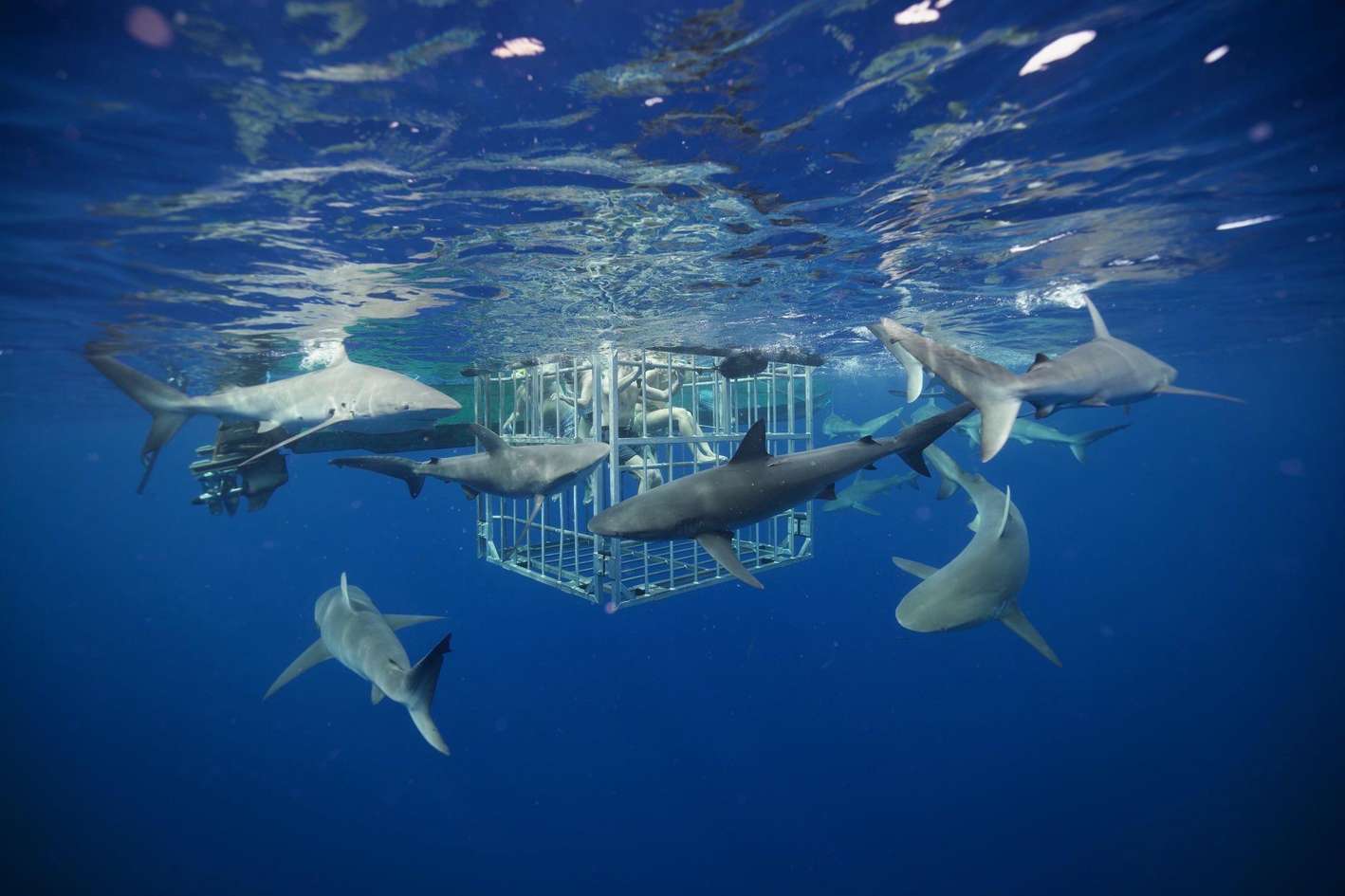
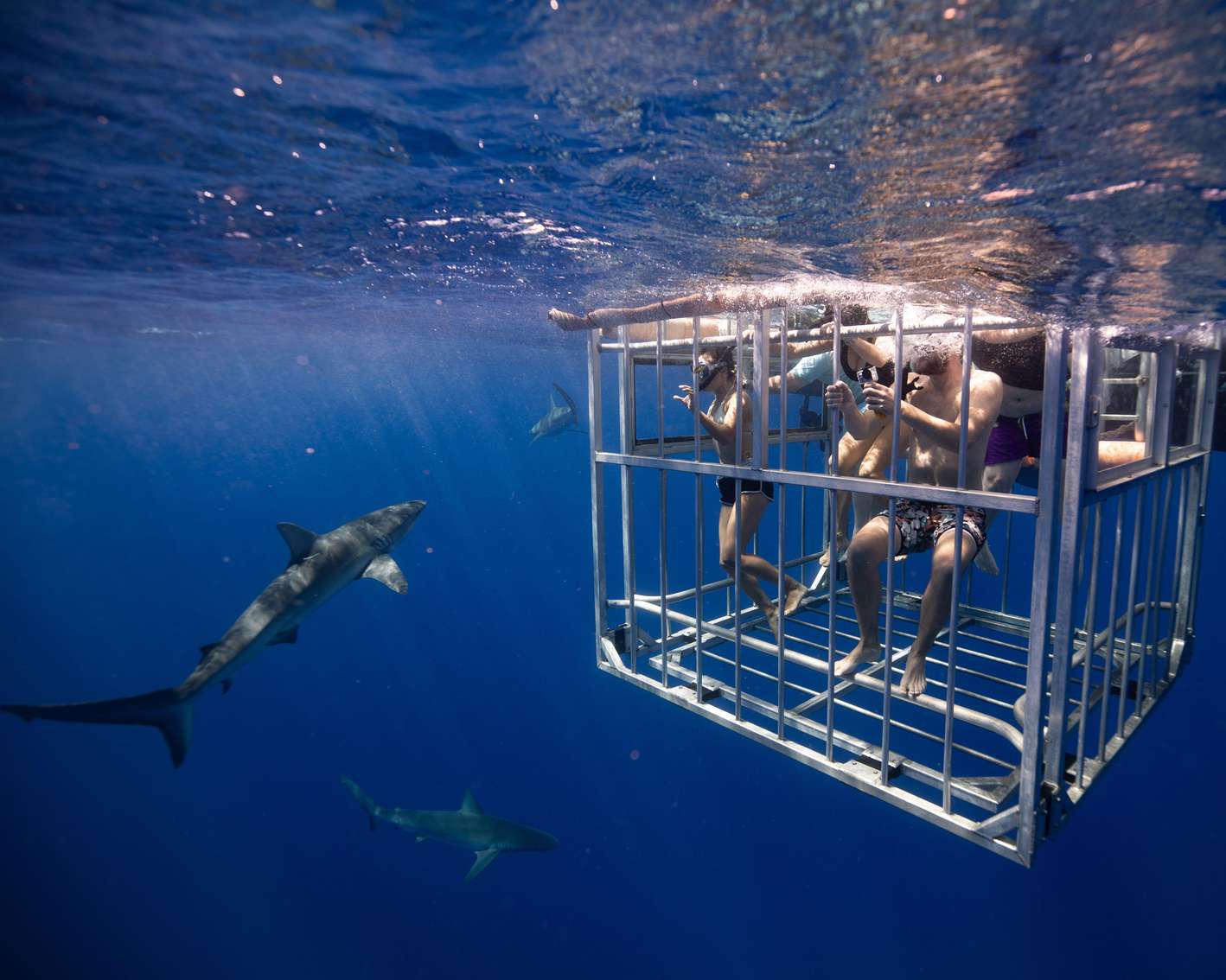
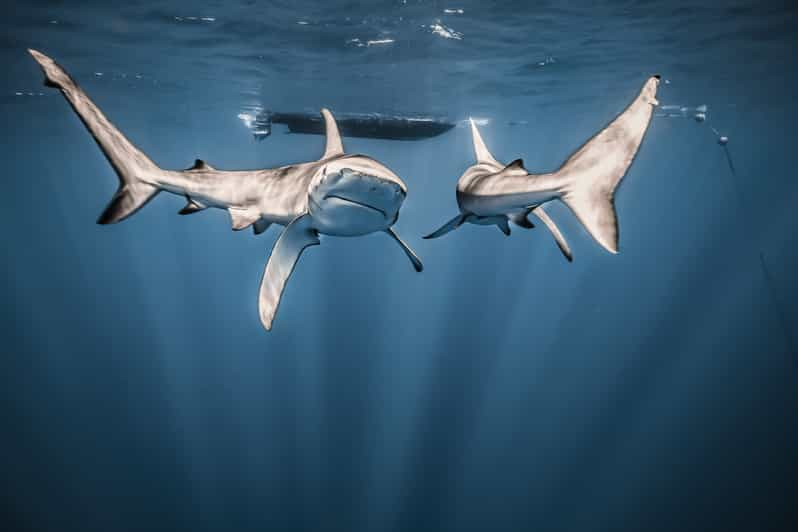
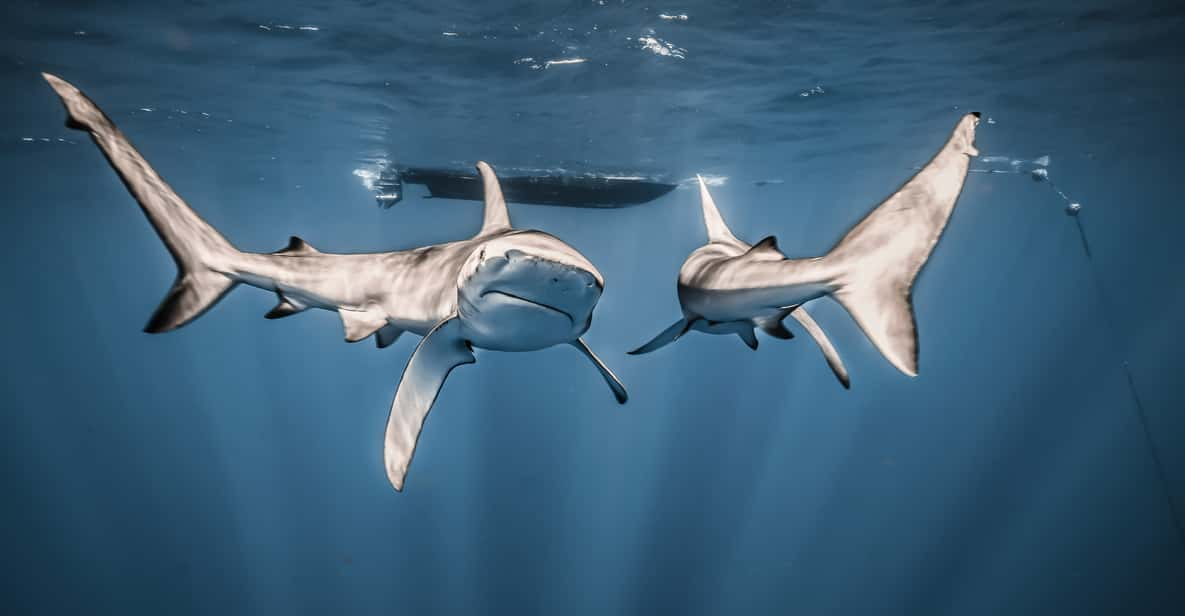
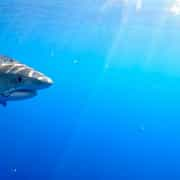
The water is the first thing that stays with you. Three miles off Oahu's North Shore, the ocean turns a deep cobalt blue, and a sandbar shark or a Galapagos shark slides into view while you float at the surface with a mask and snorkel.
No bait or chum goes into the water here; feeding sharks is illegal in Hawaii, and the engine sound alone is enough, because these sharks have followed working boats since the 1960s.
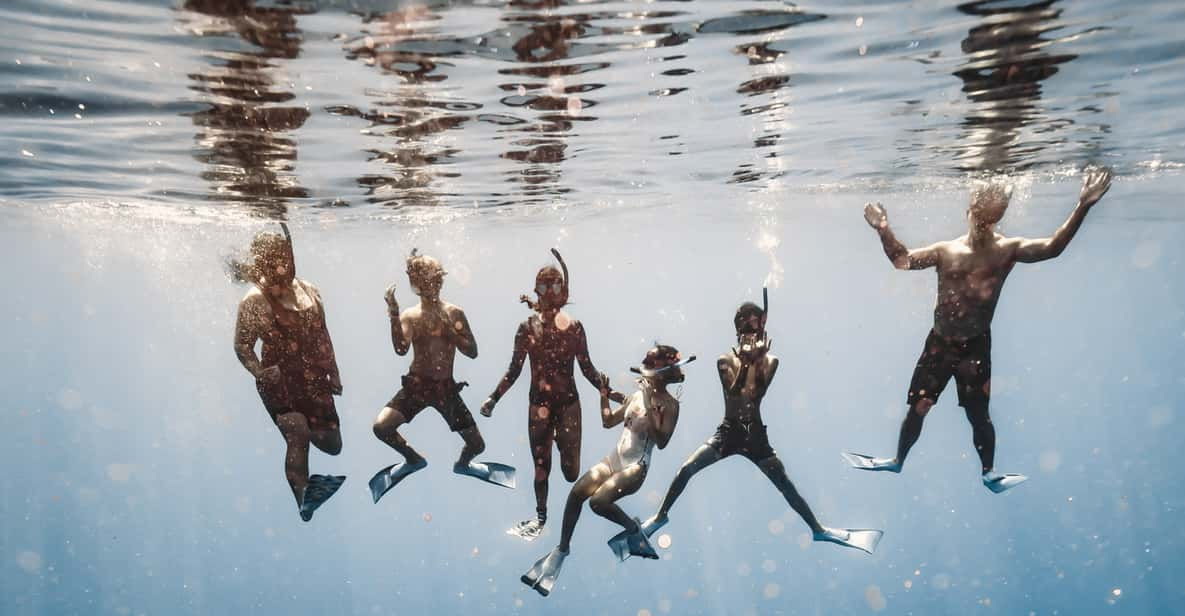
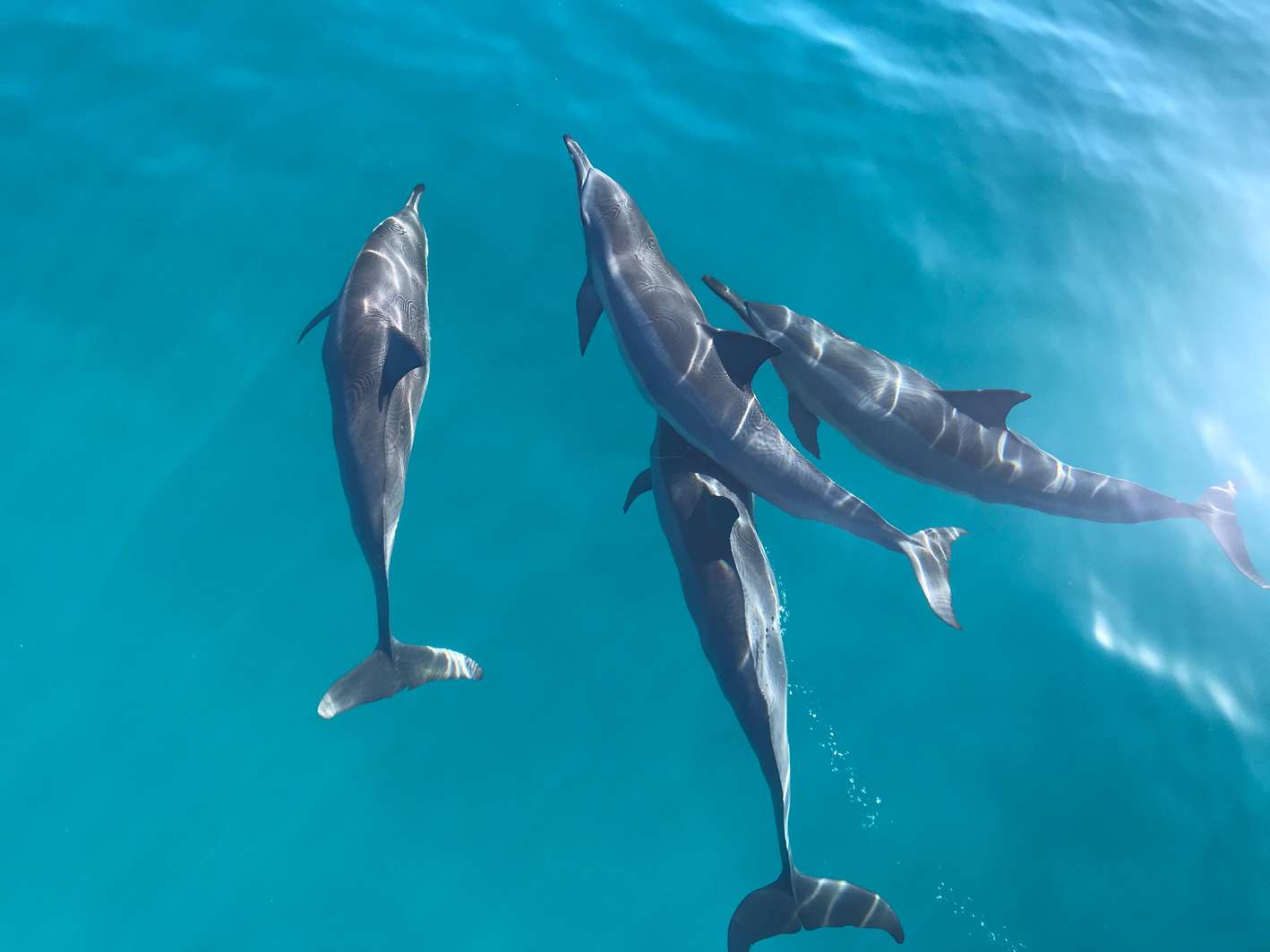
On this cage-free tour, which runs 105 minutes in a small group, a marine biologist crew gives you a full safety briefing before anyone touches the water. Guides stay beside you the whole time. Dolphins and, from January through March, humpback whales show up on the crossing. The steps below walk through the morning.
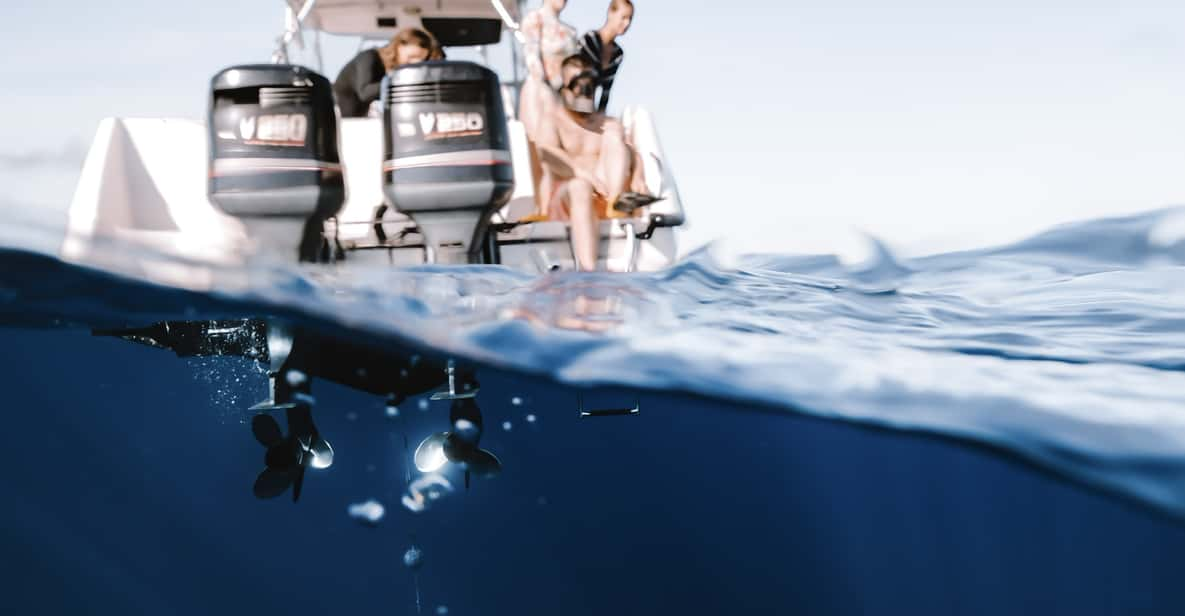
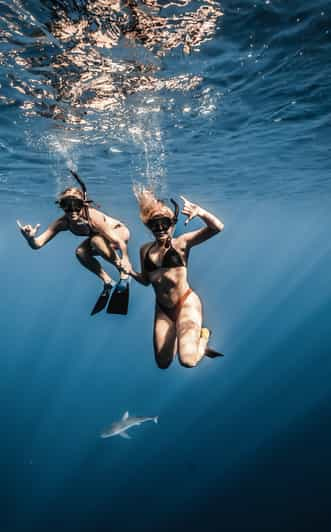
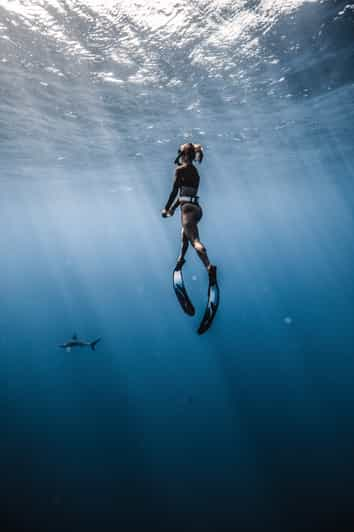
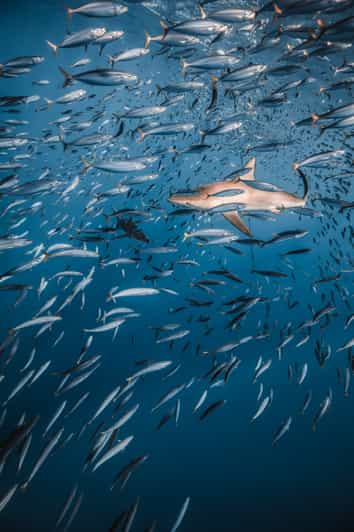
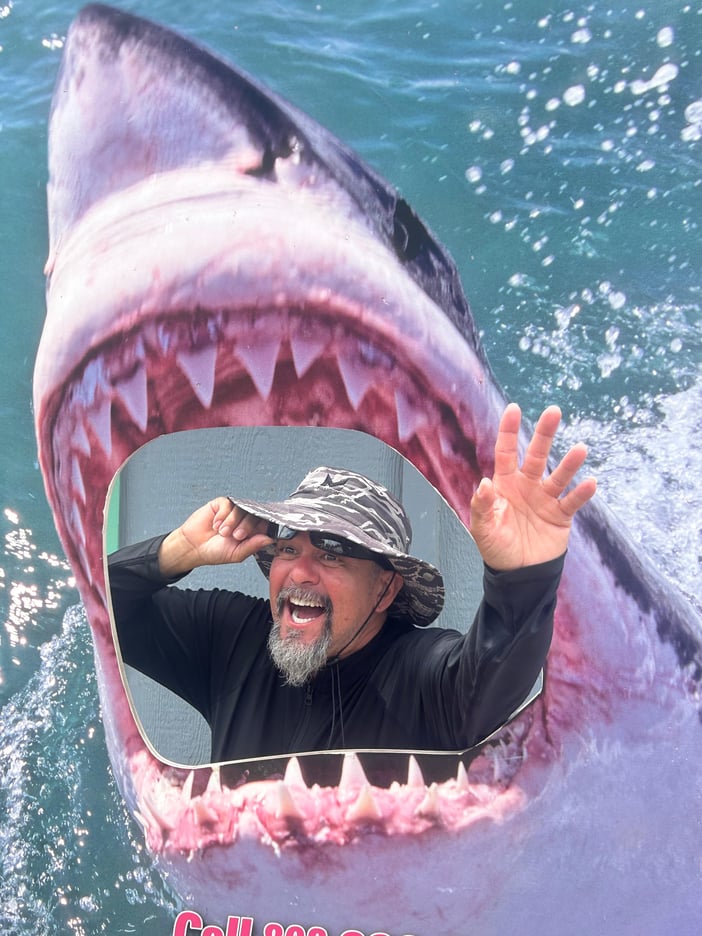
Our guide was friendly and knowledgeable, great details and instructions on our snorkeling trip.
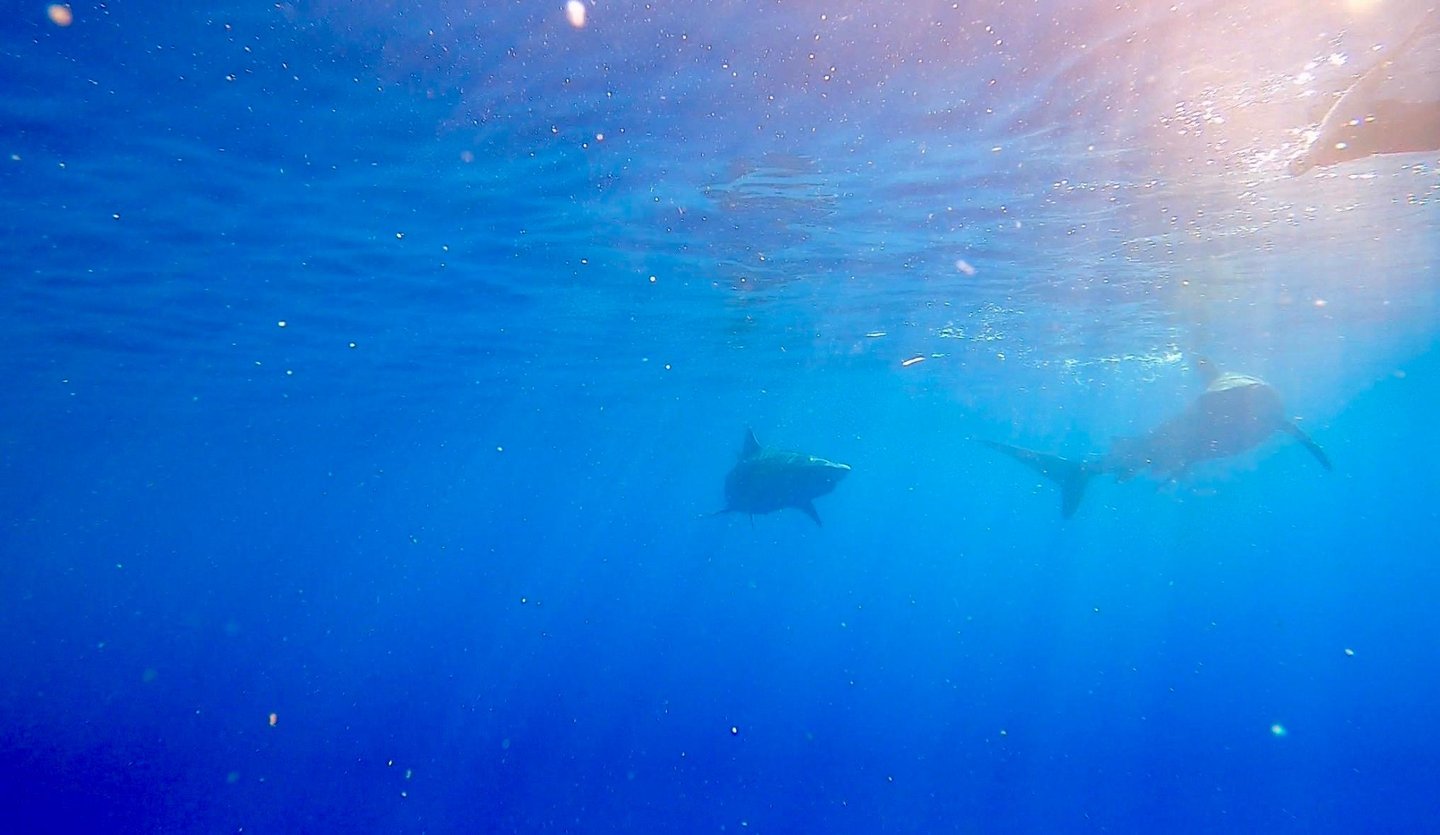
Super tour! Guides explained everything briefly, answered questions, and made safety feel genuine. Our first tour was postponed due to weather, and spotting sharks takes some luck.
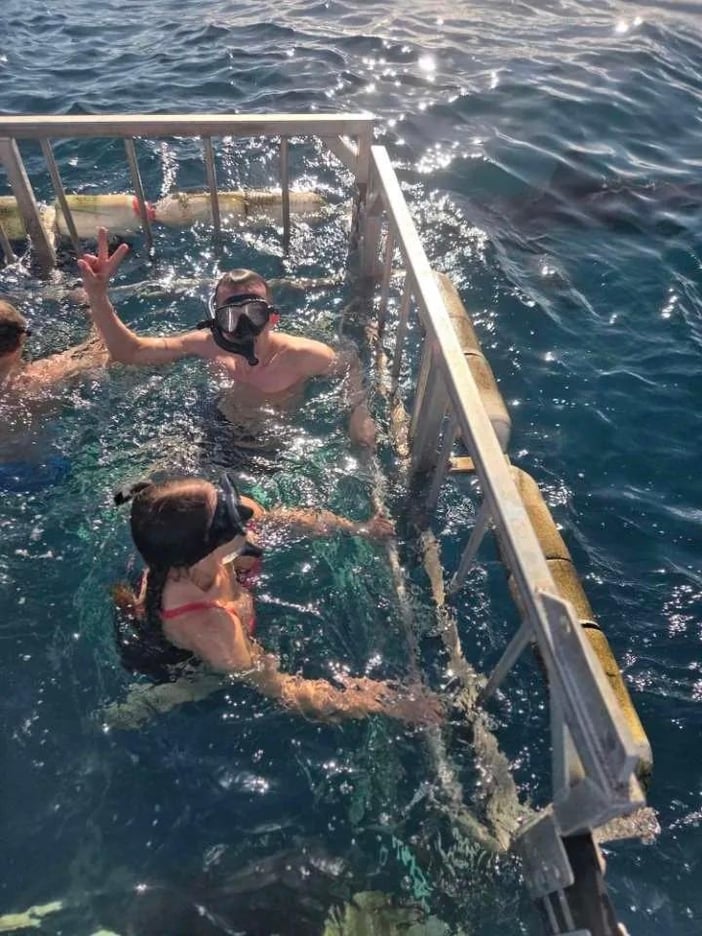
The guide was friendly with clear instructions, encouraged us to be curious and ask questions, and explained safety well. Seeing sharks up close was wonderful. Recommended!
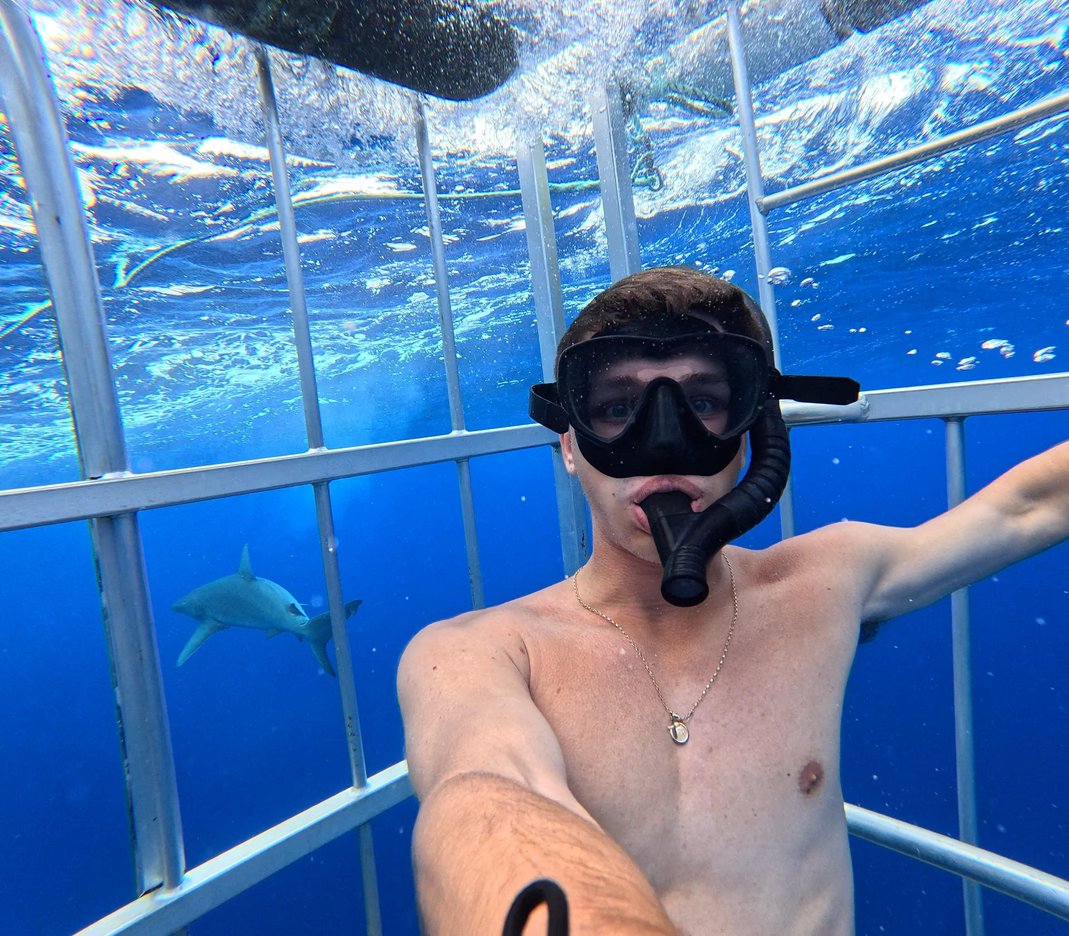
We loved it all. I was a bit worried the cage floats far from the boat, but inside you forget it.
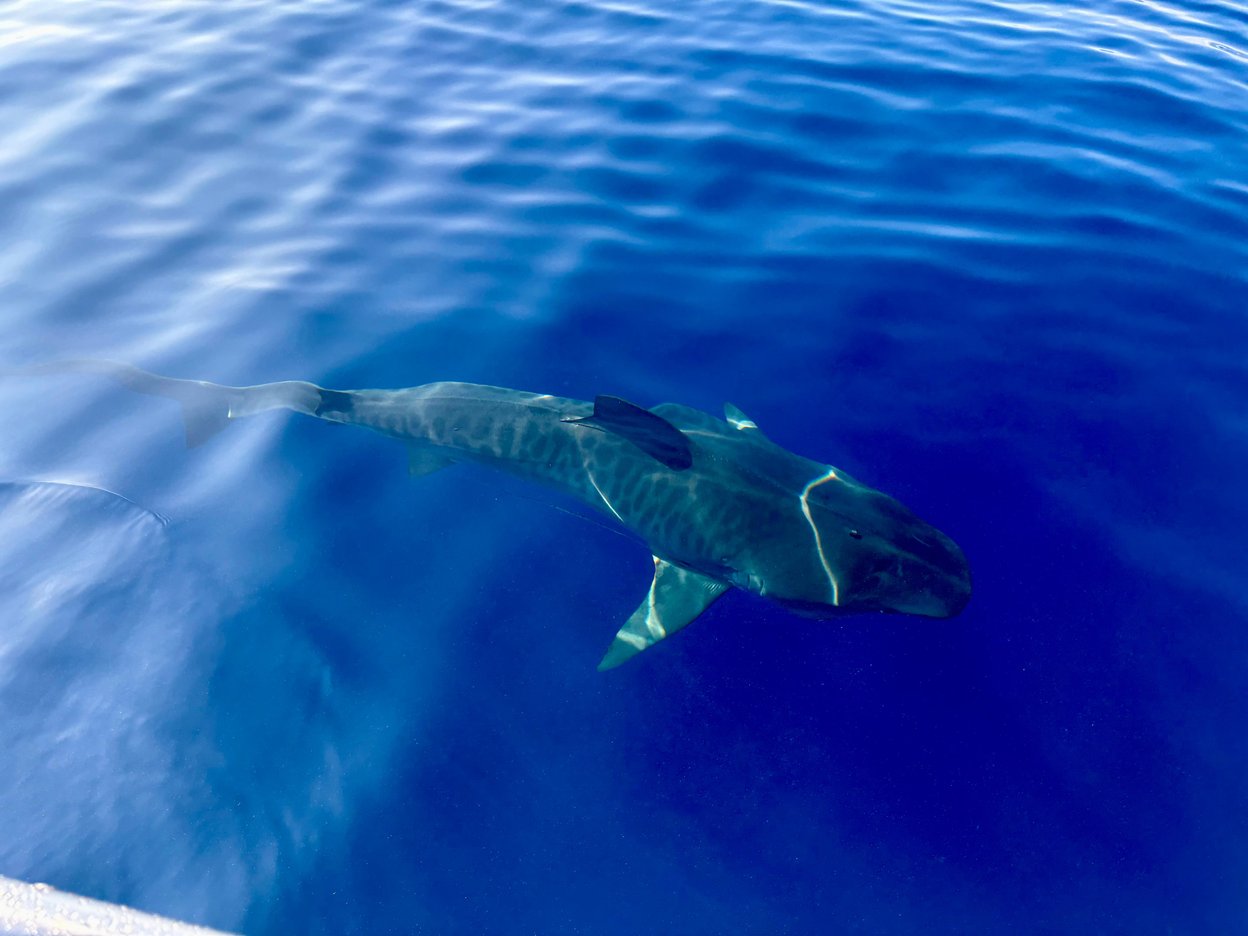
Would book again anytime. Everything went smoothly, very professional and safe. Three of us watched the sharks in the cage for 20 minutes.
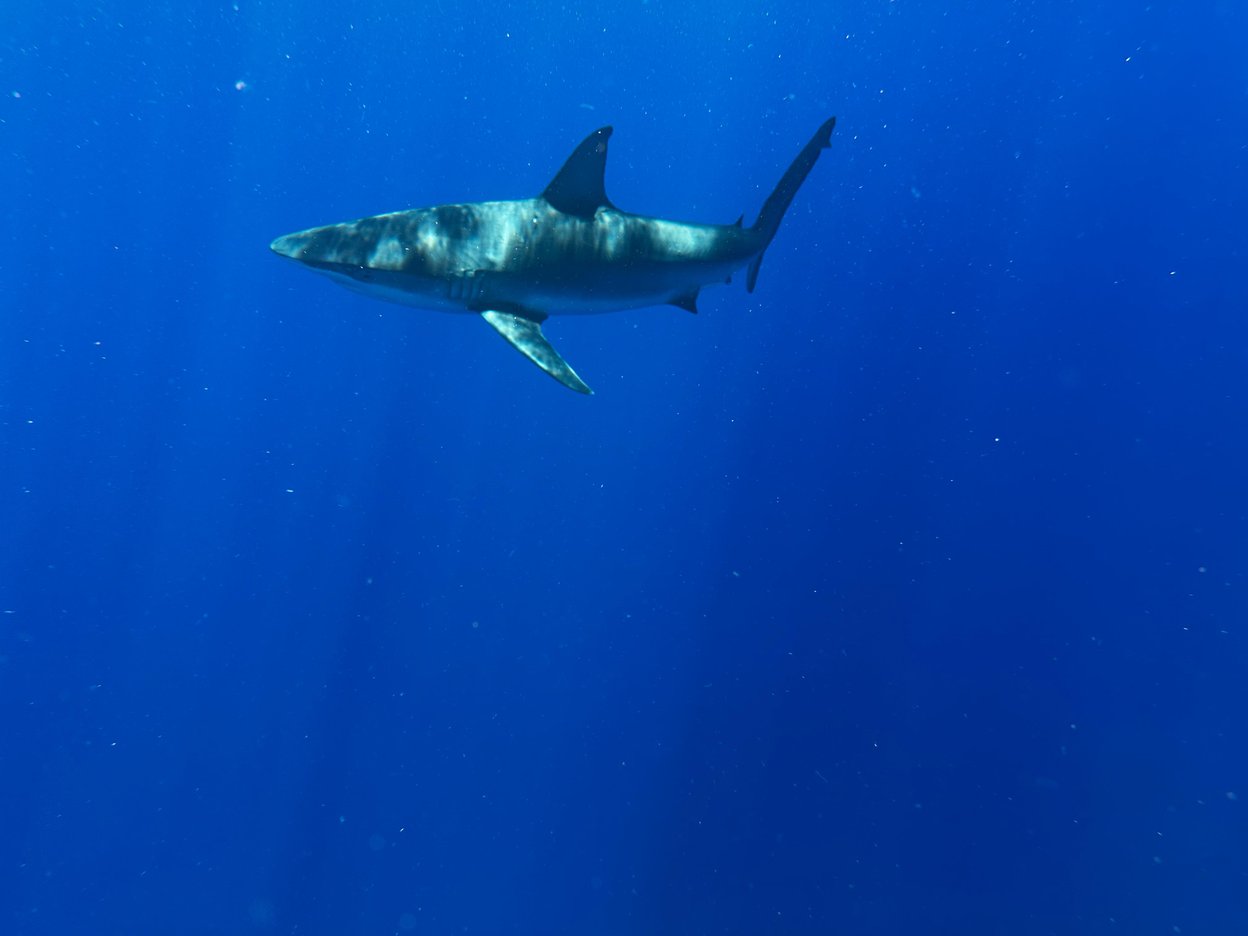
One of the coolest things I've done. Large Galapagos sharks showed up right when we entered the cage and stayed the whole time.
Our guide was friendly and knowledgeable, great details and instructions on our snorkeling trip. Hope to do this again!
Most reviewers praise the guides, calling them knowledgeable, relaxed, and quick to answer every question.
Several were nervous at the start, then found the water warm, the sharks calm, and the fear gone in minutes.
Many wish they had grabbed more underwater footage, and a few wish they had brought seasickness tablets.
Choose a date on the calendar after checking your Waikiki plans. Morning boats out of Haleiwa depart between 6 am and 9:30 am and are back at the docks between 8:30 am and 11:30 am, so one morning works around a beach afternoon.
Common mistakeFirst-timers book an afternoon slot and meet rougher water, or worse, a wind-cancelled trip
On the Oahu: Cage-Free Shark Diving Adventure, pick between the swim option and the Ride Along, which keeps you on the boat for the full 105 minutes without entering the water. The swim costs more and includes snorkel, mask, and fins.
ImportantYou need to be at least 4 ft 3 in tall to take part, so measure the kids before you book
Complete the booking and save the confirmation that arrives by email. Cancellation stays free up to 24 hours in advance for a full refund, so a change of plan is not a loss if you act a day ahead.
RecommendedSet a reminder for the 24-hour cutoff the moment you pay
All the boats on this page leave from Haleiwa Small Boat Harbor on the North Shore, about an hour from Waikiki by car, taxi, or rideshare. Check the meeting instructions in your confirmation the night before and arrive early enough for check-in and the safety briefing.
Pro tipSort your return ride before you leave Waikiki, or ask about a hotel shuttle, which gets you back around 2 pm
Bring a swimsuit, a towel, and a jacket for the boat ride, and swallow motion sickness medication the night before and again that morning. Leave flip-flops on for boarding, keep your things in a dry bag, and be at the dock 30 minutes before departure.
Pro tipOnce you are in the water, the rocking of the boat stops bothering most queasy swimmers
Morning tours depart between 6 am and 9:30 am and are back at the docks between 8:30 am and 11:30 am. With an early boat, you can be back in Waikiki for lunch or a 2 pm shuttle drop and still have the afternoon on the beach.
A two-hour trip means about 20 minutes of actual water time in the cage. Groups of 6 to 8 rotate in per drop, across one to three shifts, so you watch from the deck between turns.
Take motion sickness medication the night before and again the morning of the trip, especially in winter swells. Once you are in the water holding the cage, the rocking sensation usually eases.
These are open-ocean trips, and conditions call the shots. Winter swells cancel tours for days at a time. If an operator cancels for weather, you choose between a new date or a full refund.
Every tour on this page lets you cancel up to 24 hours in advance for a full refund. That makes it easy to lock in an early slot and adjust if your Waikiki plans shift.
Minimum ages vary by operator, generally set at 5 years old, sometimes at the captain's discretion, and a few tours start at 3. One of the cage-free tours requires riders to be at least 4 ft 3 in tall. Confirm the rule for the tour you pick before booking.
Pack in a waterproof dry bag, since open-deck boats take spray on the run offshore: Masks and snorkels are provided, and you can bring your own fitted set.
All four tours on this page run out of Haleiwa Small Boat Harbor on the North Shore. Plan to arrive at the docks 30 to 45 minutes before departure for check-in, waivers, and the safety briefing.
From Waikiki, the drive runs about 45 to 75 minutes via H-1 West, H-2 North, and Kamehameha Highway, so budget 1.5 to 2 hours door to dock. Without a car, a shuttle van with Waikiki hotel pickup or a taxi takes about an hour. Public transit via TheBus Route 52 from Ala Moana Center works too, though it runs 1 hour 40 minutes to 2 hours.
Getting back to Honolulu by Uber or Lyft from Haleiwa is unreliable. Wait times can stretch to 30 to 45 minutes, and drivers sometimes never show. Line up your return ride or book a shuttle before you leave Waikiki.
You do not need to be a strong swimmer. The cage floats beside the boat with its top above water, and salt water keeps you buoyant, so you just hold the rails with a mask and snorkel. You do need to be comfortable in water and able to climb down a vertical ladder on your own strength.
Bring an underwater camera if you have one; the cage-free tour also sells professional photo and video packages shot by the crew. On cage tours, the bars sometimes show up in your frames, which most people treat as part of the shot.


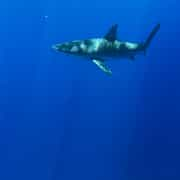
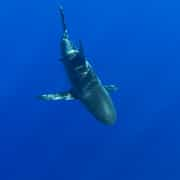
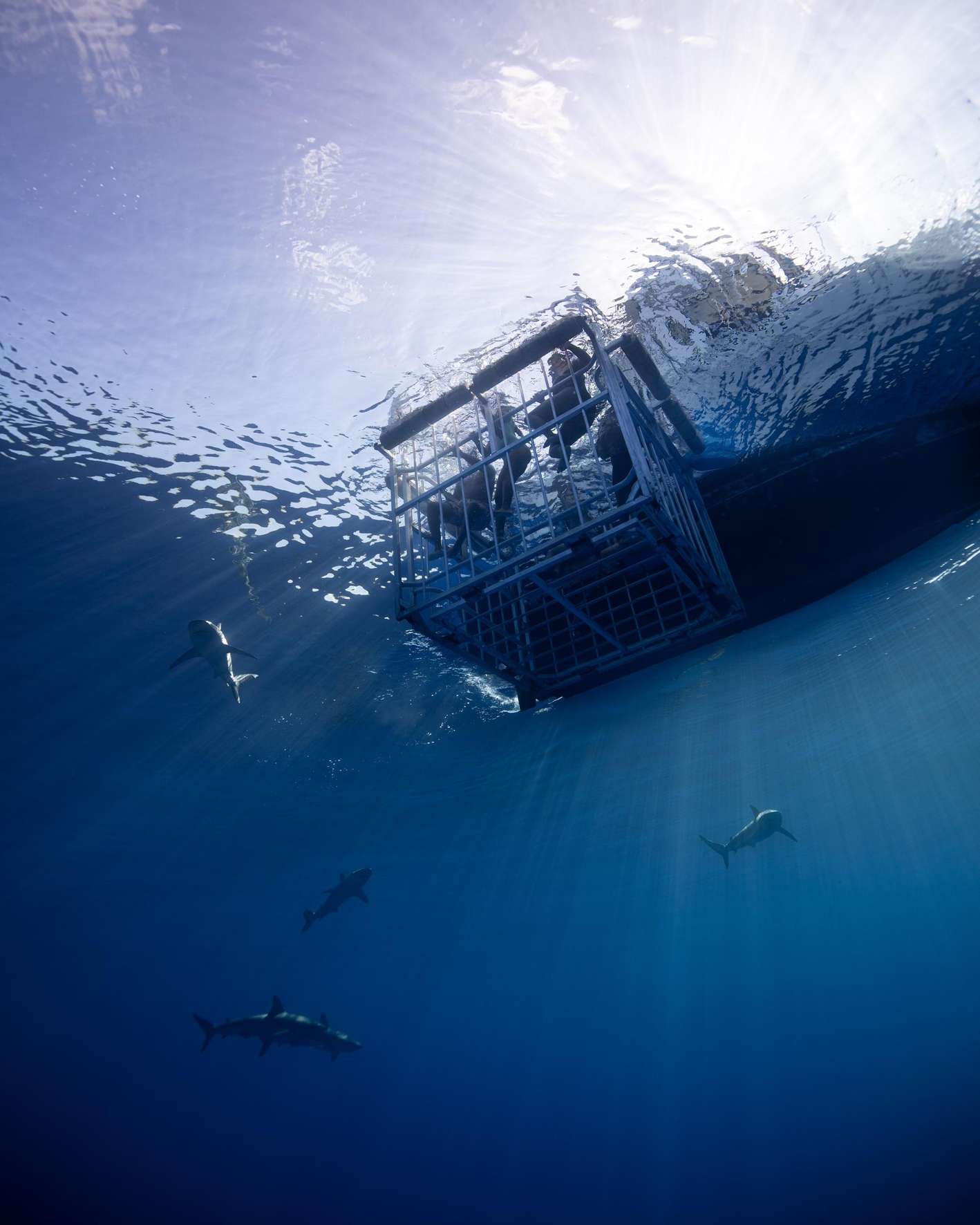
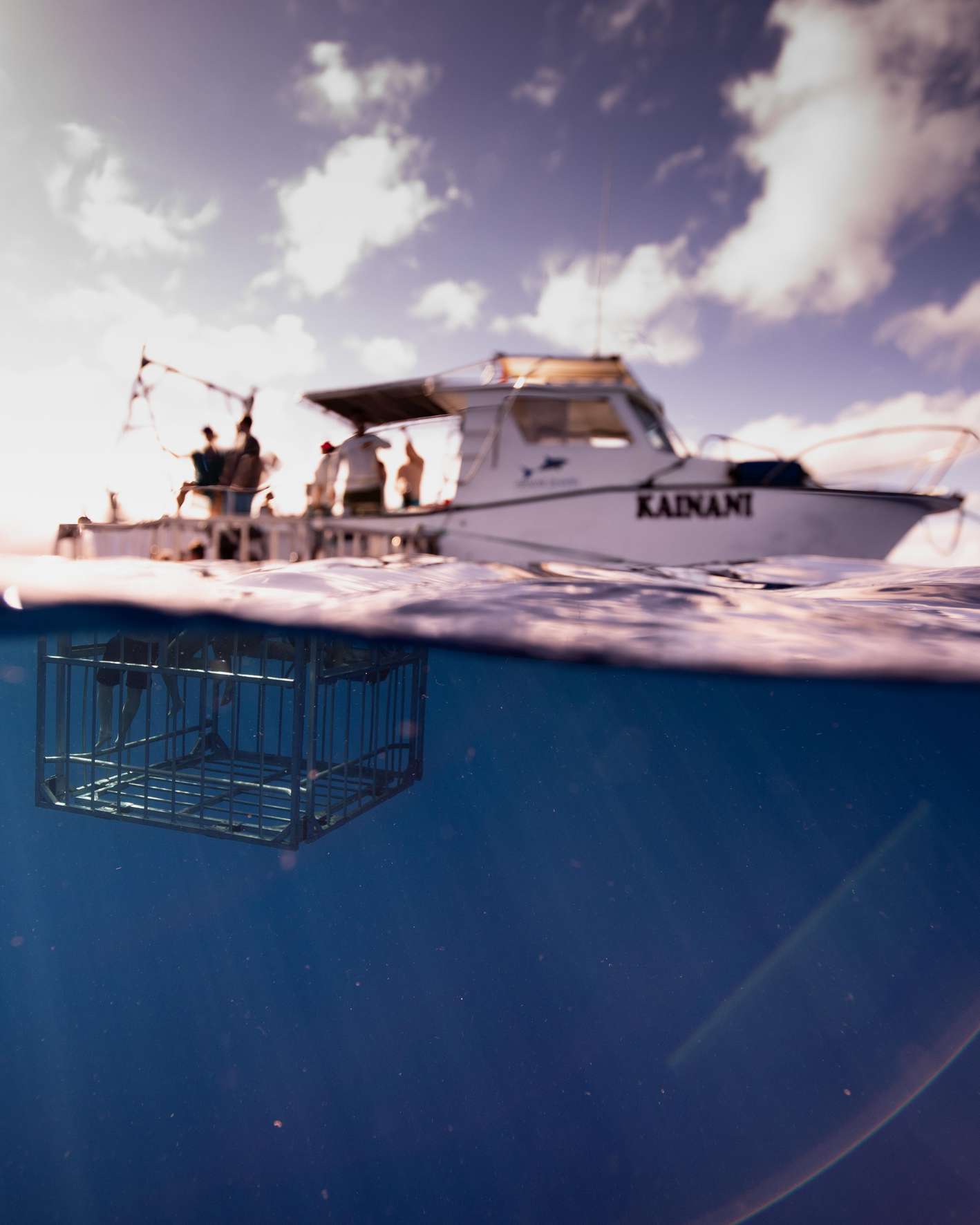
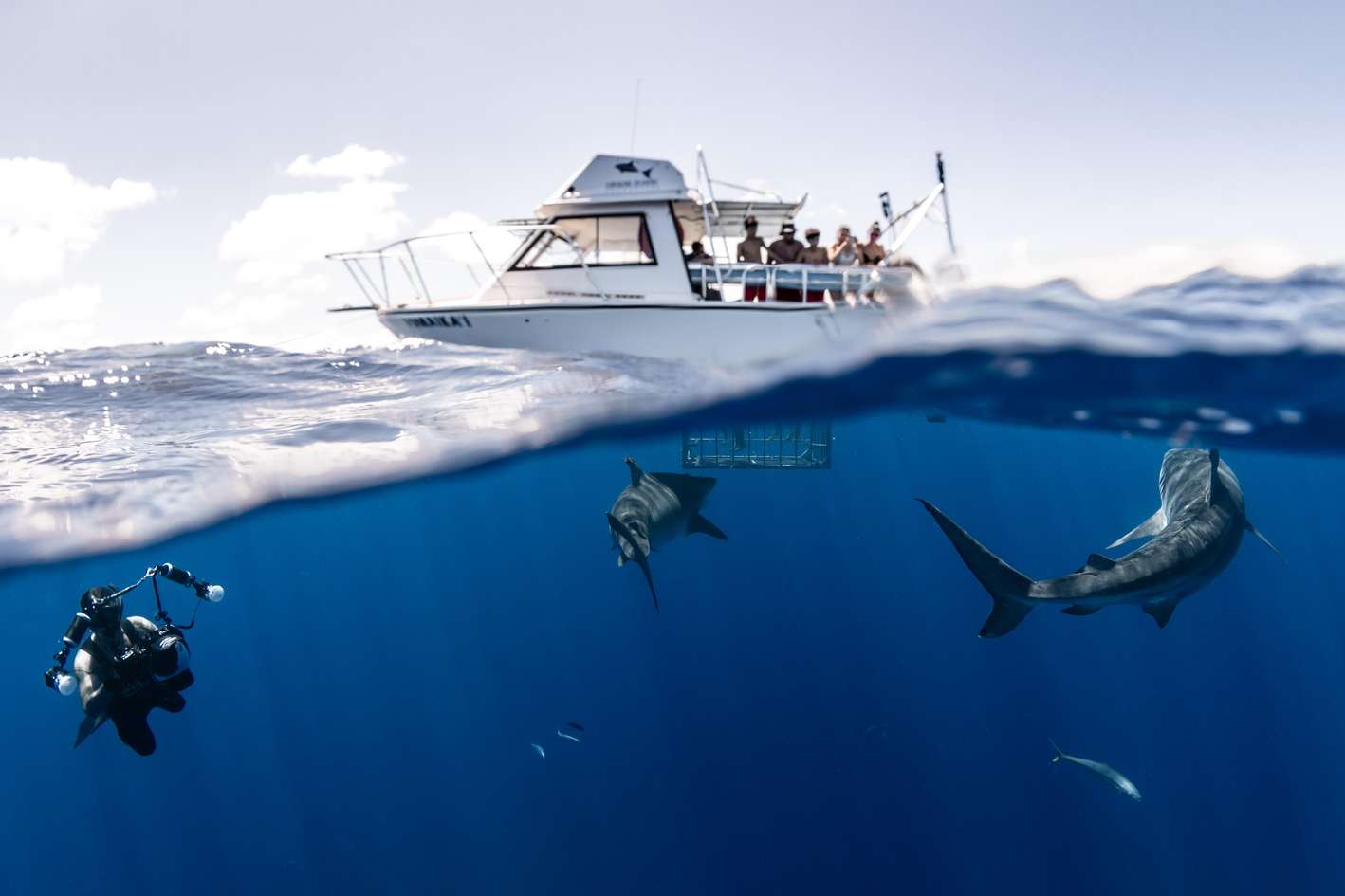
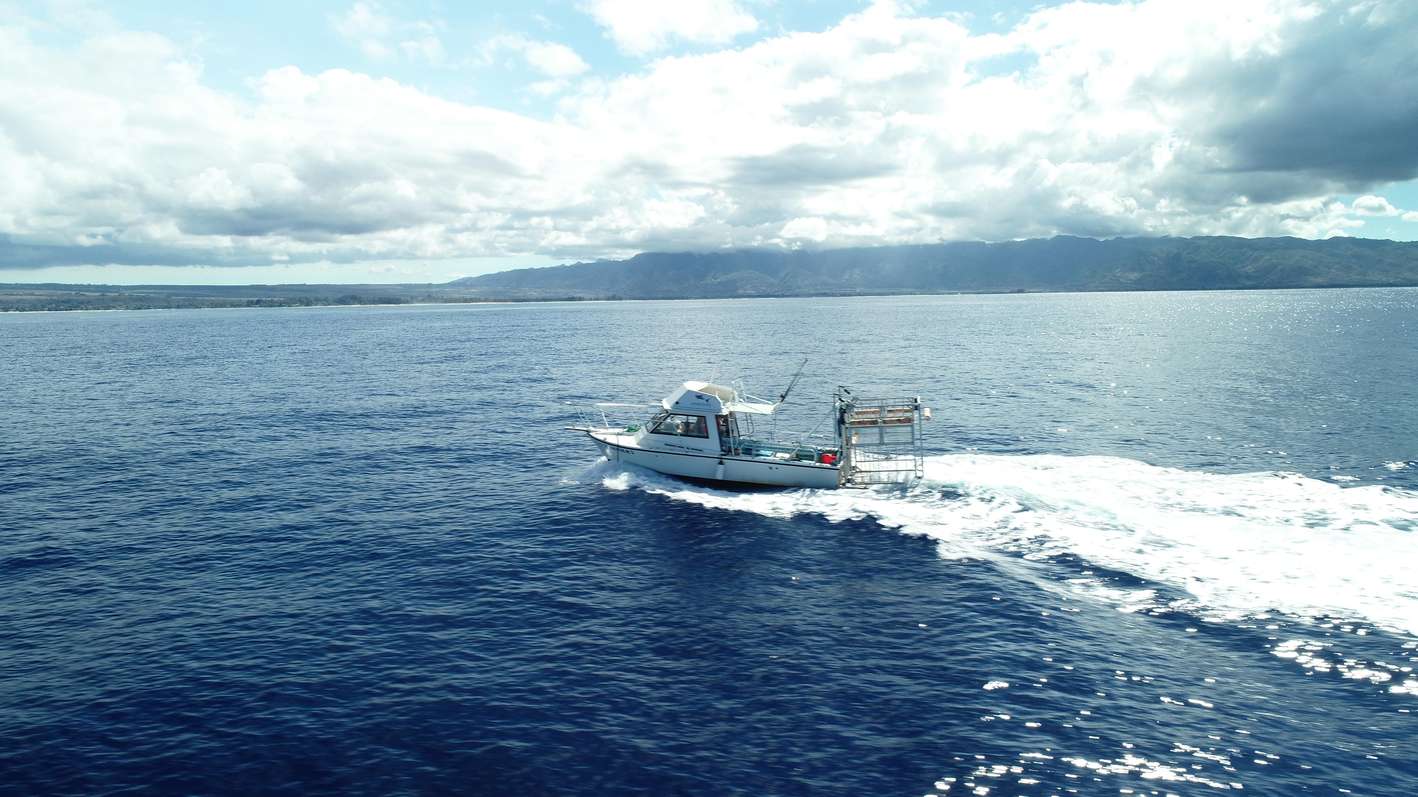
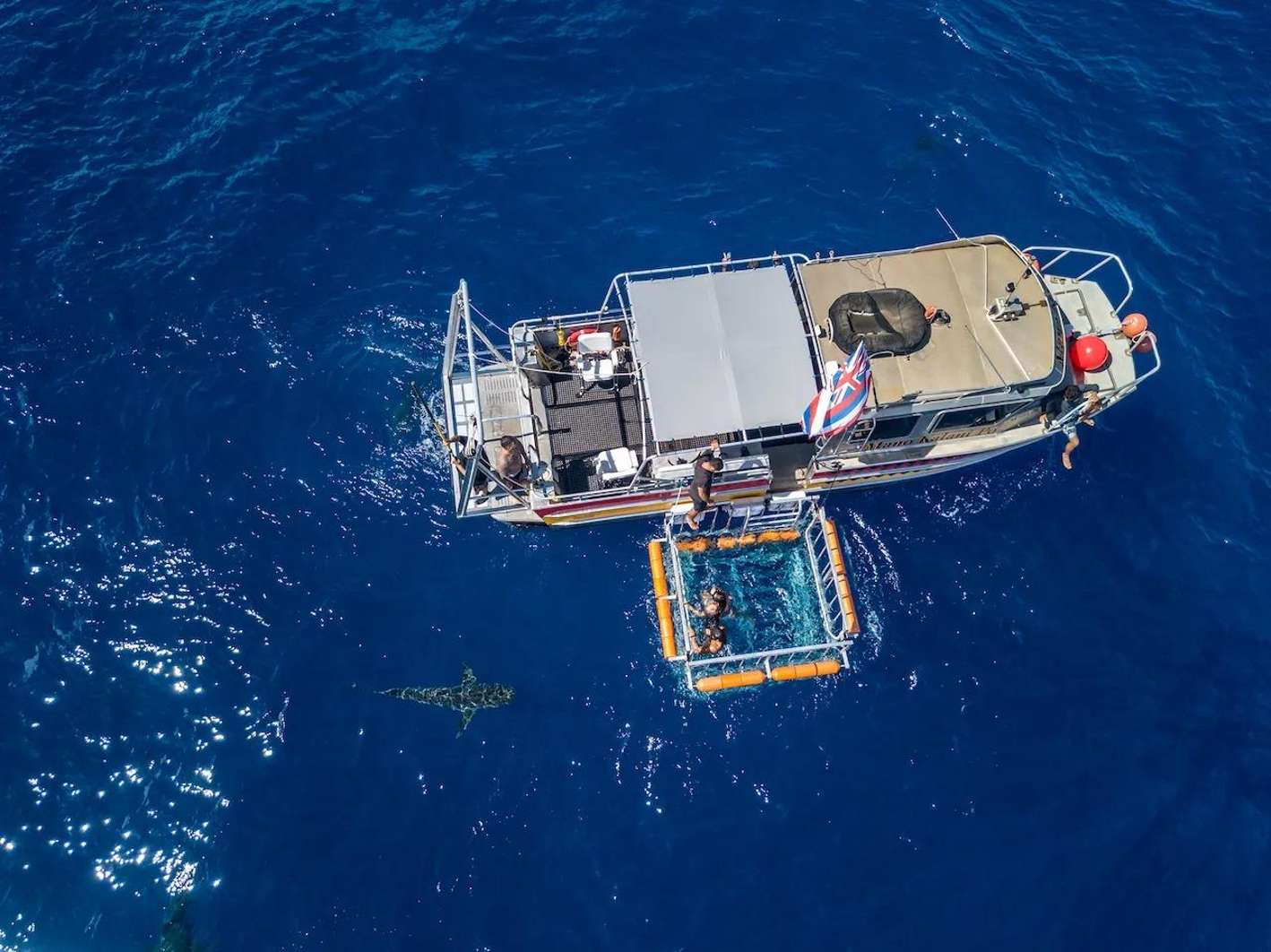
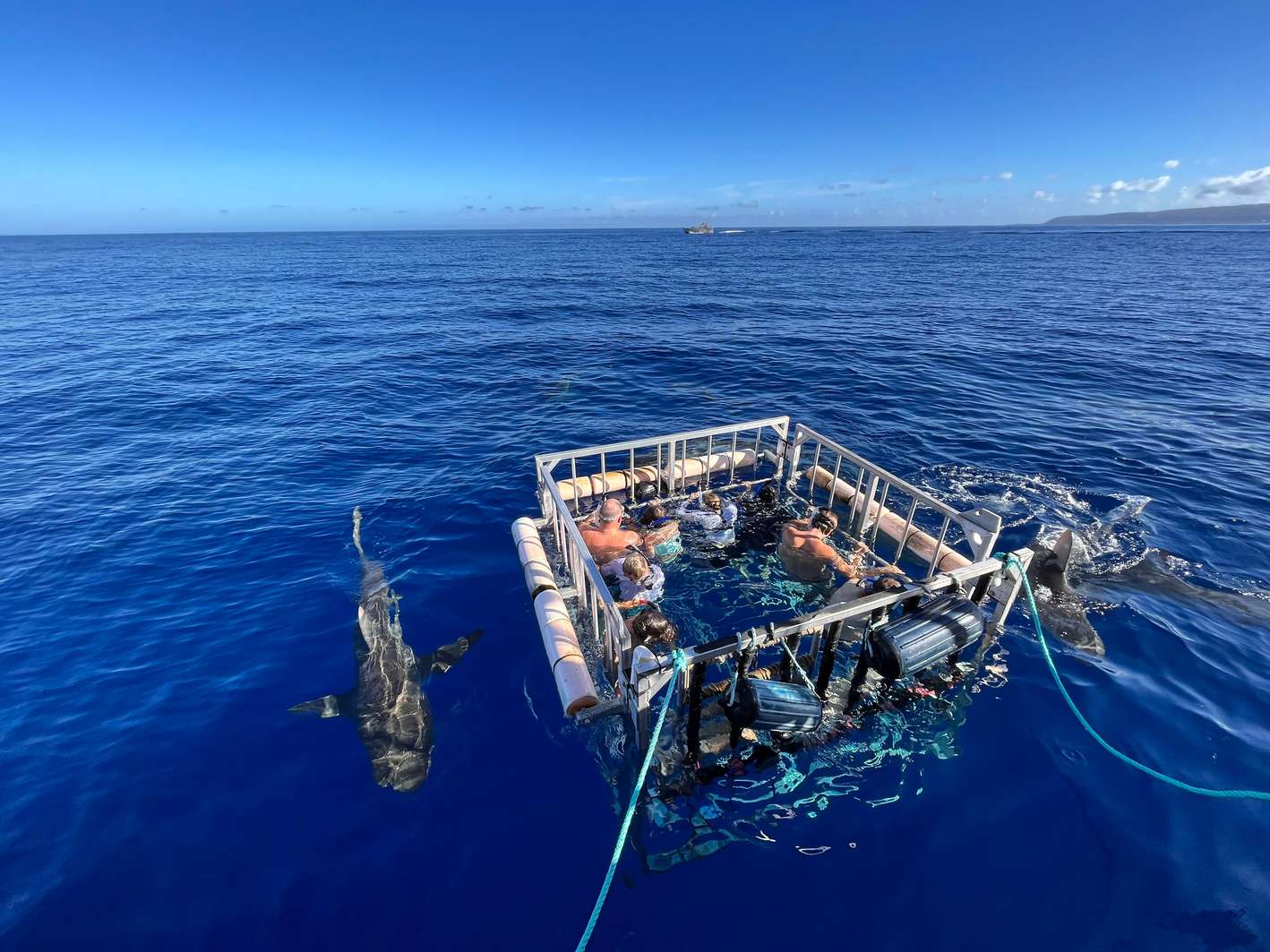
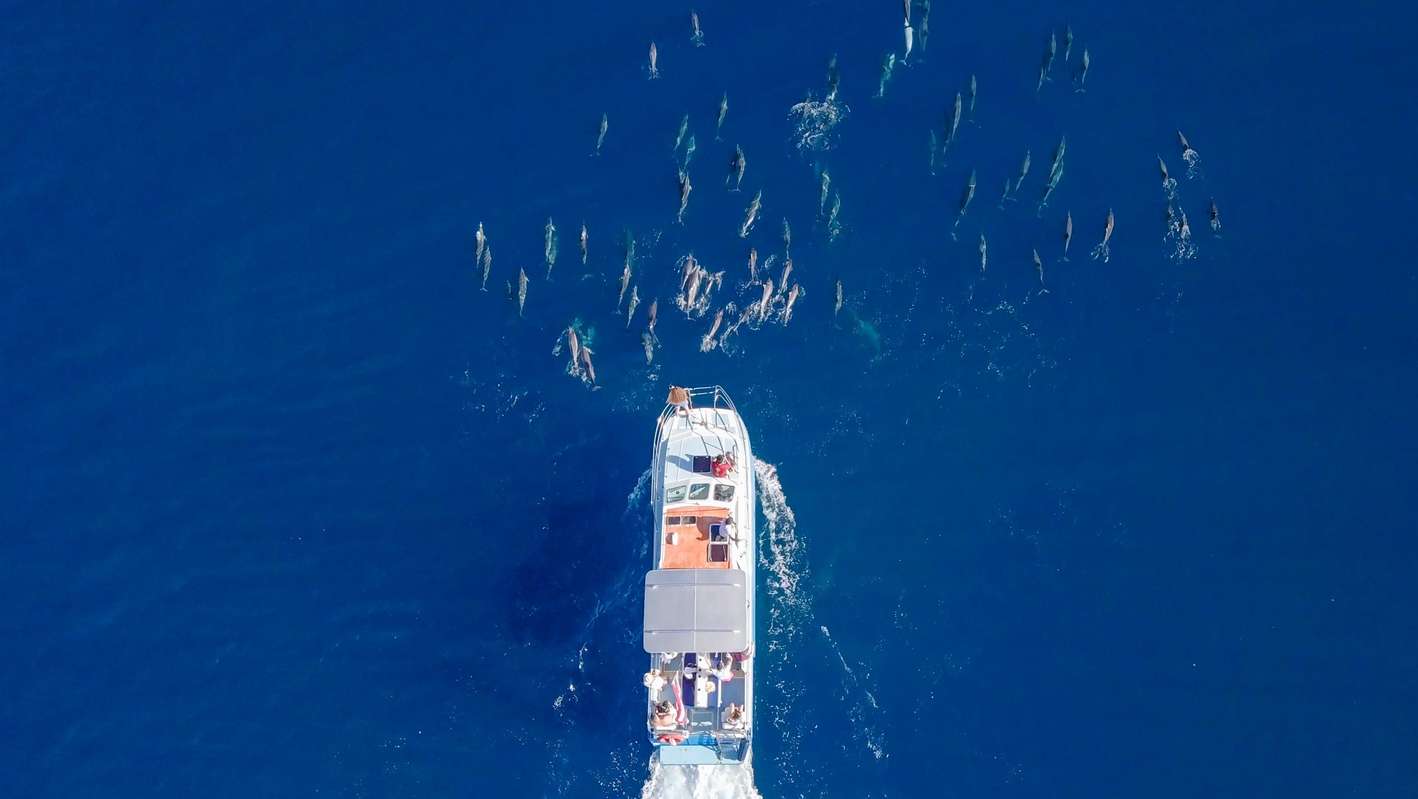
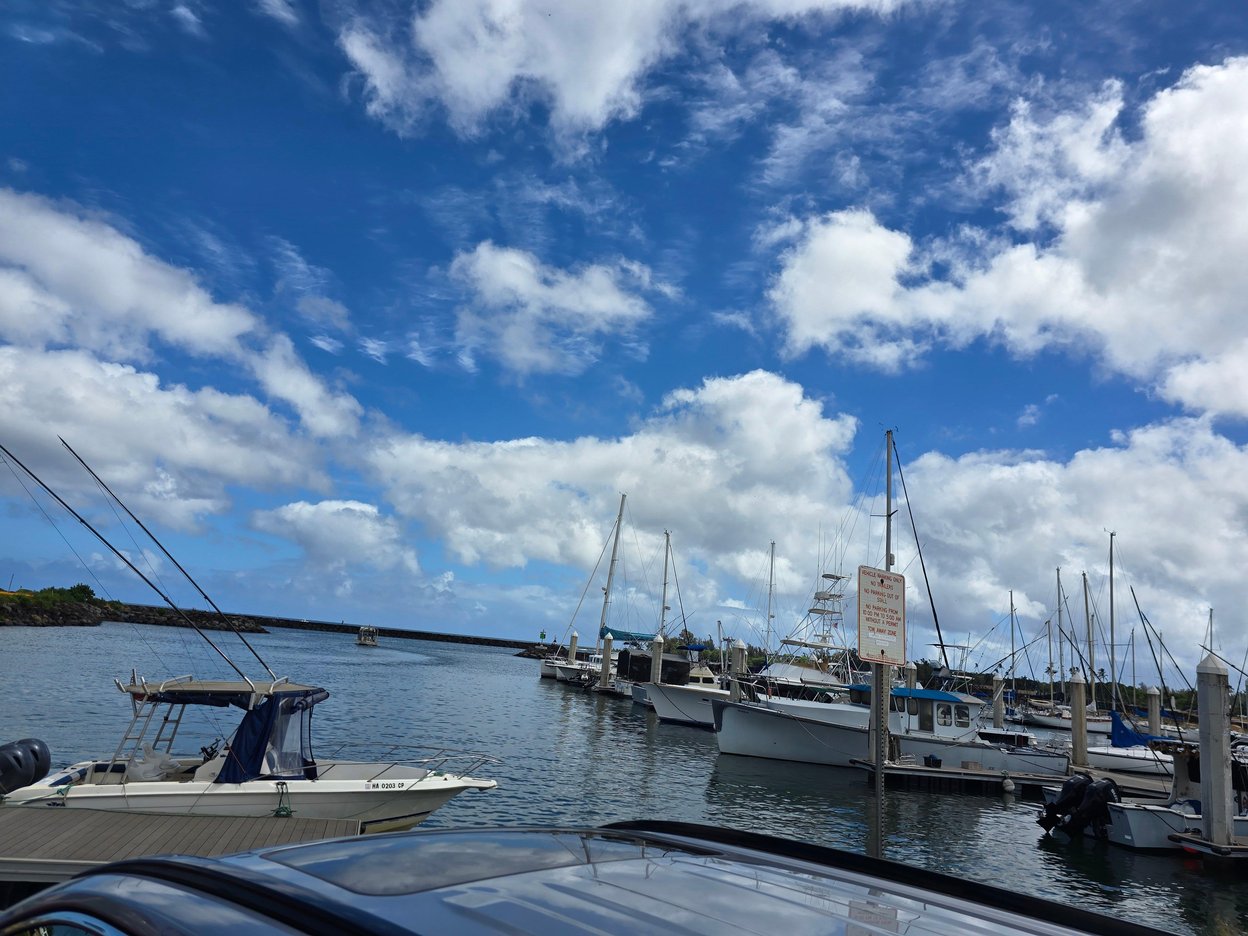
Every shark boat sold here docks at Haleiwa, an hour north of Waikiki. Knowing where the tours actually leave from, and which one fits your morning, turns that detour into a trip worth making.
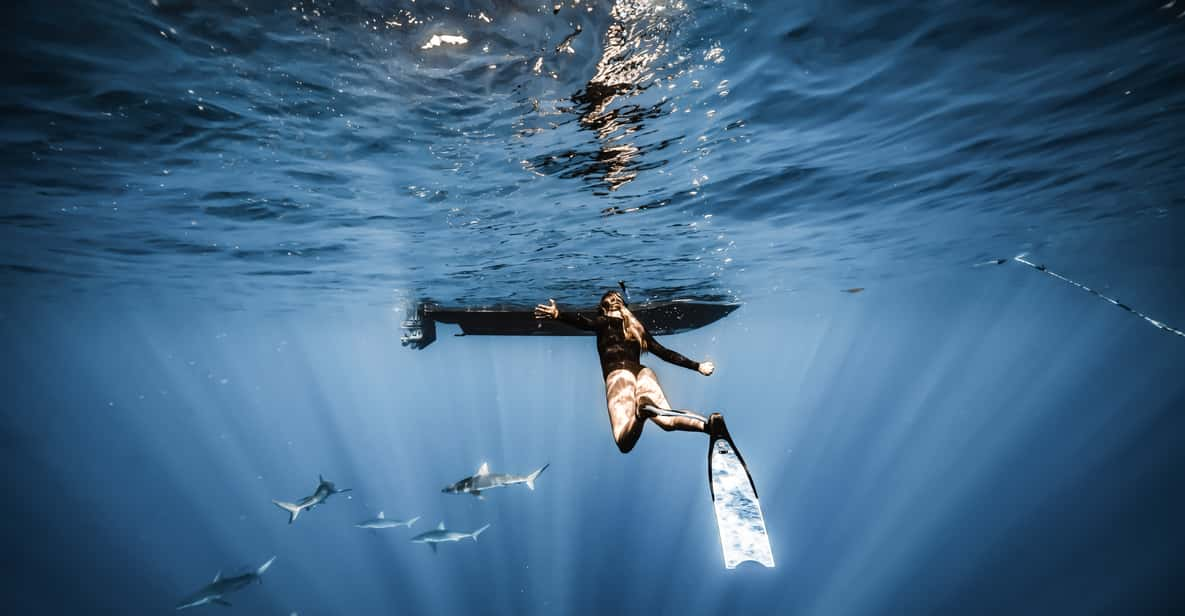
The shark tours sold here all leave from Haleiwa, 45 to 75 minutes north, with departures between 6:00 and 9:30 am.
Book the 6:00 or 7 am boat, May through September if you can, for the flattest sea and clearest water.
Non-swimmers can enter the cage holding the rails, and anyone can stay dry on the boat as a rider instead.
Honolulu has no shark cage boats. Nothing bookable here leaves from Honolulu Harbor, Kewalo Basin or the sand in front of your hotel.
Every cage tour and cageless swim on sale starts on the North Shore, and the reason sits three miles off Haleiwa: crab boats have worked those waters since the 1960s, tossing old bait overboard, so Galapagos and sandbar sharks learned to follow engine noise. South-shore water never built that habit.
The payoff for the drive is water you can see through, often 150 feet or better, over sea floor 250 feet down. Every cage tour sold here runs from Haleiwa, and so does every cageless one.
What you actually weigh is how much morning you will trade, whether you need a car, and how much protection you want between you and the sharks.
The nearest thing on sale here to a cage dive from town is the Oahu: Cage-Free Shark Diving Adventure, a small-group open-water swim that still starts on the North Shore, so nothing escapes the drive.
The drive itself runs 45 to 75 minutes in morning traffic, closer than most visitors fear. Budget 1.5 to 2 hours door to dock so you arrive 30 to 45 minutes before the boat for check-in, waivers and the safety briefing.
Six in the morning is the realistic hour, and the options sort out fast. A taxi or rideshare takes about 60 minutes from Waikiki to Haleiwa.
Some operators run a shuttle van with a central Waikiki hotel pickup, which solves the whole problem in one booking. TheBus route 52 from Ala Moana Center takes roughly 1 hour 40 minutes to 2 hours with one change, too slow for an early boat.
Going up is the easy half. The return leg causes trouble: rideshares out of Haleiwa can take 30 to 45 minutes to arrive, and no-shows are common because few drivers station on the North Shore. Book your return ride before you leave Waikiki, or ride the shuttle both ways.
Anyone who does rent a car gets a rare break at this end. Parking at Haleiwa Small Boat Harbor is free and plentiful, so the usual city parking penalty never shows up.
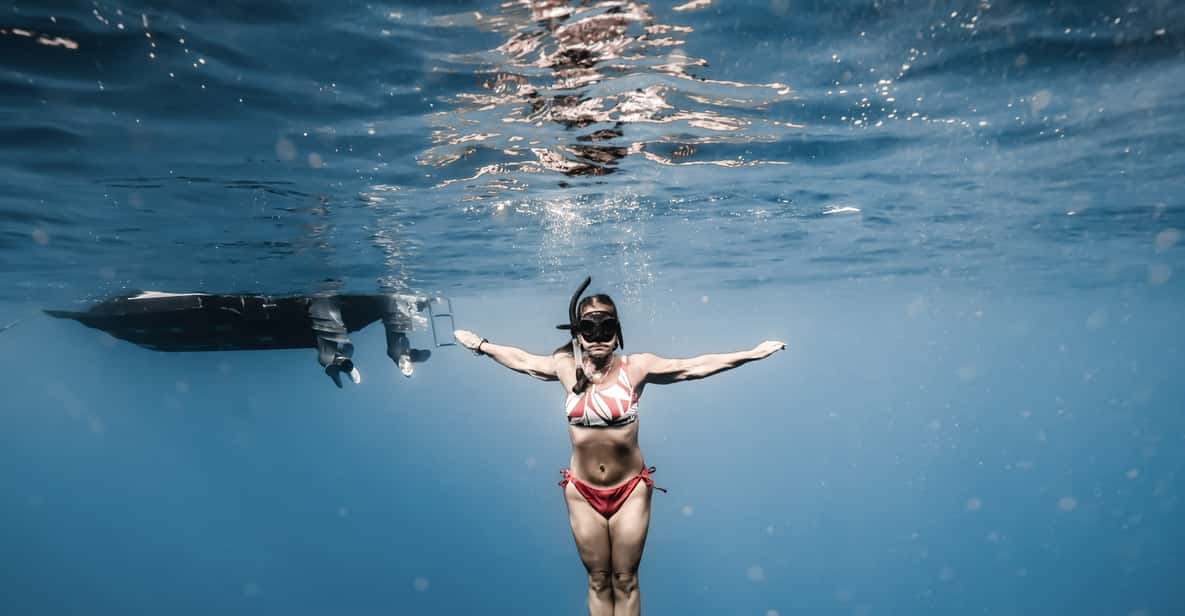
Metal bars change the encounter before you touch water. A floating cage puts steel between you and the sharks, asks almost no swimming, and gives nervous guests something solid to hold while the ocean rolls through.
The cost is the view: close, face-to-face passes framed by bars, shared with whatever elbows and kicks the other people in the cage produce.
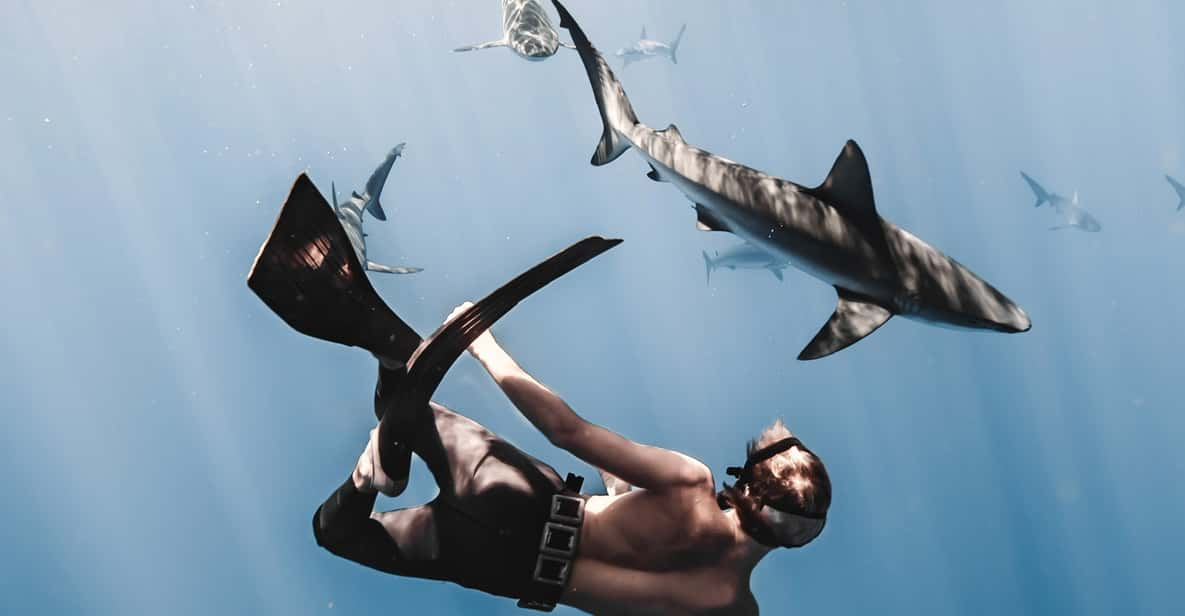
Open water removes the barrier and the crowding. You swim freely beside a safety diver and watch a shark's full silhouette slide through blue water, unobstructed in photos. The price is composure: you hold position with your group over deep water for the better part of an hour, which wants strong ocean swimming.
Both formats meet the same sharks at the same site, mostly Galapagos and sandbars with the occasional tiger. Since the animals stay the same either way, pick by how much comfort you want in the water.
If you want the barrier, the Oahu: Shark Cage Dive on the North Shore is the cleanest cage option here, done in 1.5 hours.
| Floating metal cage between you and the sharks | None, open water with a safety diver nearby | |
|---|---|---|
| Swimming needed | Minimal, hold the rails | Strong ocean swimming, hold position as a group |
| Freedom of movement | Restricted to inside the cage | Free to move through open water |
| View of the sharks | Close passes framed by the bars | Full silhouettes against open blue |
| How photos come out | Bars can appear in the frame | Clear, unobstructed shots |
Run yourself down that list honestly. Book the format that matches your comfort level, since the species is already settled.
The arithmetic works out. Morning tours from Haleiwa run 1.5 to 2 hours, depart between 6:00 and 9:30 am, and dock again between 8:30 and 11:30 am. The drive back to Waikiki takes about an hour, and shuttle riders are back around 2 pm with the afternoon untouched.
Back in Waikiki by early afternoon, the beach day survives. Book the earliest boat you can: seas sit flattest at first light, trade winds and chop build through the late morning, and an early finish also beats the return traffic toward Honolulu.
The cage forgives weak swimmers. It floats at the surface with its top above water, so you hang onto the handrails in a mask and snorkel, no scuba and no strong strokes needed, only comfort in the water. Most operators set the minimum age around 5, a few younger still.
One physical requirement deserves a check before you book. You need the strength and agility to step over the boat's side and climb down and up a vertical ladder under your own body weight. Anyone who can do that can spend their morning with sharks and still make lunch reservations in Honolulu.
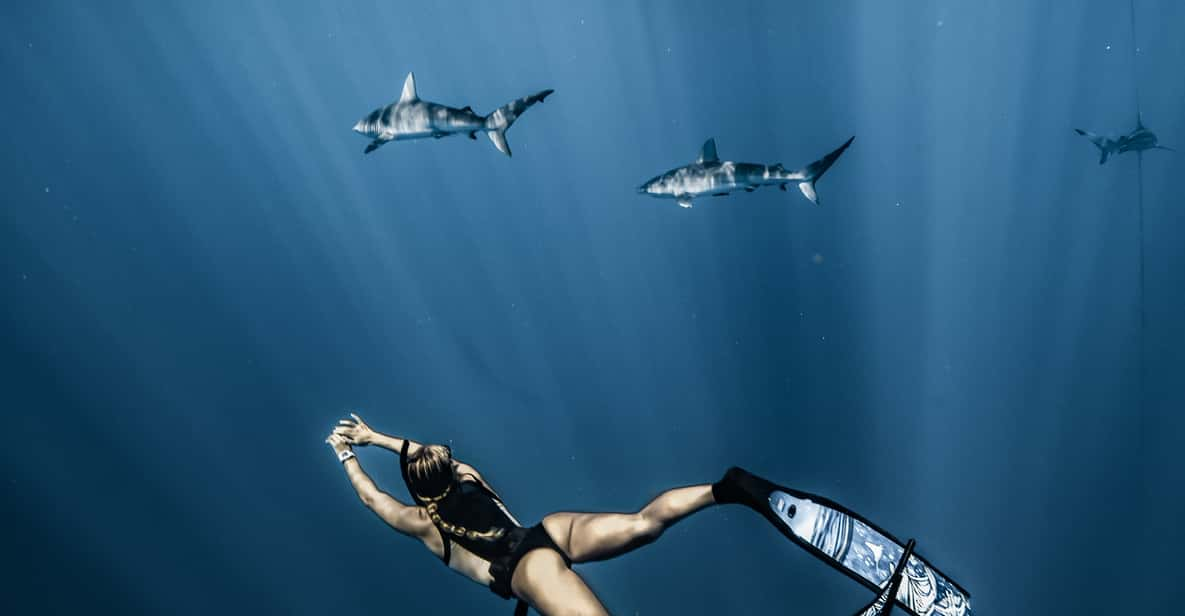
Summer wins by every measure that touches your day. From May through September, 83 to 99 percent of days off Haleiwa are calm, waves hold near a meter, the water warms toward the low 80s Fahrenheit, and offshore visibility reaches up to 150 feet.
Winter is a different sport. January sees calm seas on roughly one day in eight, with top swells averaging around 2.2 meters, water in the mid-70s and visibility down to a changeable 30 to 60 feet. Trips still run all winter; the rides are bumpier and the cancellations more frequent.
August: 5 out of 5 for how busy it gets. The busiest month of the year features glassy seas, peak underwater clarity, and warm water reaching 81°F.
Tap a month to read it.
July: calm sea on 99% of days. Flat-water conditions peak with 99% calm days, maximum waves near 1 meter, and warm water around 80°F.
Tap a month to read it.
January: waves up to 2.2 m on an average day. Heavy winter swells make the open-ocean ride and cage rough with only 13% calm days, cooler 74°F water, and higher cancellation odds.
Tap a month to read it.
Sightings barely move with the calendar. Galapagos and sandbar sharks show up in all twelve months off Haleiwa, so pick your month for the ocean, since the animals never leave. Tiger sharks lean toward July through October.
Then pick the boat. The first departure, 6:00 or 7 am, gets the lightest winds, the clearest water and the smoothest ride out, and puts you back on the road to Honolulu ahead of the worst traffic.
Cage trips separate on a few things worth checking before you pay. Water time is the first: expect about 20 minutes in the cage per guest, taken in rotations of 6 to 8 people across one to three shifts during the trip.
Second comes the ride-along. Partners and kids who would rather stay dry can book a boat-rider spot on several of these tours and watch sharks at the surface from the deck.
Third is the guarantee, or the lack of one: no operator here promises a species or a count, because open-ocean sightings vary day to day, though one cage-free operator does promise sharks in the water.
Group size quietly shapes all three, from the rotation queue to how crowded the rail feels. Among the cage trips on sale, the Oahu: Shark Cage Diving Tour 3 Miles Offshore gives the fullest package, a two-hour run with a safety briefing and shark education talk built in.
| Check | Why it matters | Our pick |
|---|---|---|
| Water time | Rotations mean about 20 minutes in the cage per guest | Two hours total with structured shifts |
| Ride-alongs | Non-swimmers still see sharks from the deck | Observer option stays on the boat |
| Sighting guarantee | Open-ocean sightings vary by day | No species or count promised |
| Briefing and education | Comfort in water required, no scuba needed | Safety briefing and shark talk included |
Tick those boxes against the card beside this chapter, and the choice usually makes itself.
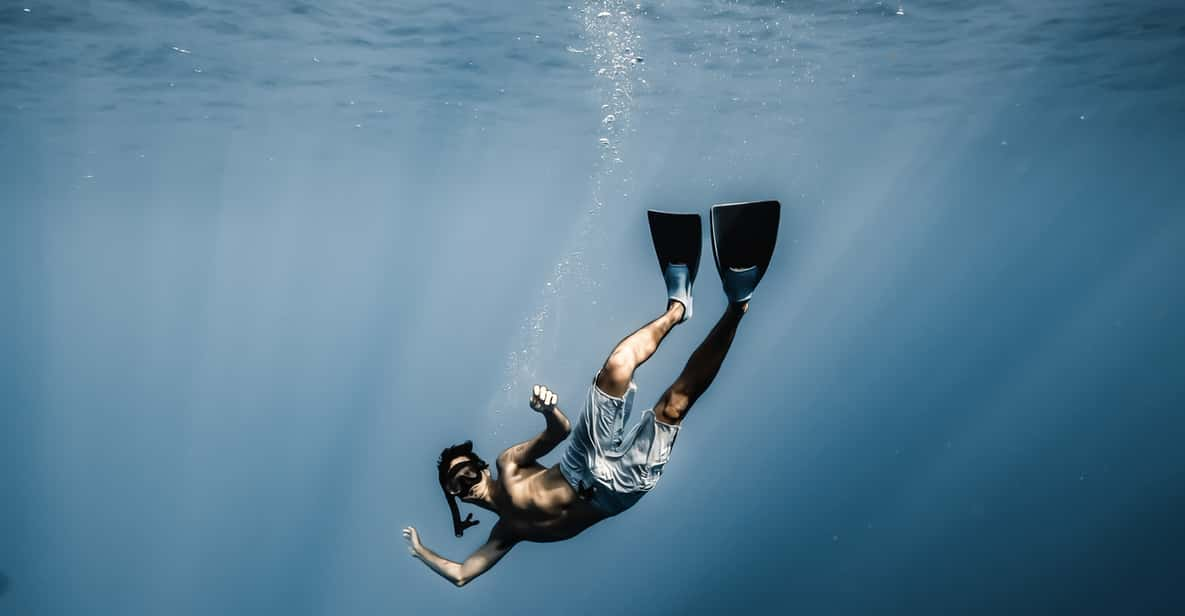
The morning has a fixed shape, and seeing it whole helps you set the alarm. Check-in happens at the docks in Haleiwa Small Boat Harbor 30 to 45 minutes before departure, where waivers and the safety briefing absorb the wait.
The boat then runs 15 to 20 minutes offshore, spray over the open decks, dolphins a common escort on the way and humpbacks joining in January through March.
Earlier slots get the calmest seas
Arrive early enough for check-in before the briefing
Dolphins, and humpbacks in winter, on the way
About 20 minutes of water time per guest, in shifts
Shuttle riders reach Waikiki around 2 pm
The cast underwater stays remarkably steady through the year. Galapagos and sandbar sharks gather about three miles off Haleiwa in every month, tiger sharks show mostly from July through October, and scalloped hammerheads pass mainly in spring and early summer.
Towel off by late morning and the day is still yours.
Marine biologists examined the Haleiwa operations and found no evidence they threaten public safety, and a study of the tours found no increase in shark incidents along Oahu's north coast since the activity began.
A state database of shark incidents names no shark diving company. The two bites recorded off Haleiwa, in June 2024 and January 2025, were both classified as provoked, and neither involved a tour.
On the welfare side, Hawaii is strict. Feeding sharks or chumming the water is illegal in state waters for any commercial operation, and the ban extends into federal waters.
The sharks need no luring anyway; they follow engine noise they have associated with food since the crabbing era. Codes of conduct forbid provoking, harassing or feeding the animals, and operators keep their time near them short.
The rules target badly run operations, and responsible cage diving with proper protocols is generally not harmful to sharks. Tours sold here operate under the state's ban, which is the reassurance to carry aboard.
Chumming is illegal in Hawaii state and federal waters; engine noise draws the sharks on their own
Research found no threat to public safety and no rise in incidents since the tours began
No bait or food enters the water on commercial tours, by law
One assumption worth keeping: these are wild animals, watched on their terms and never touched.
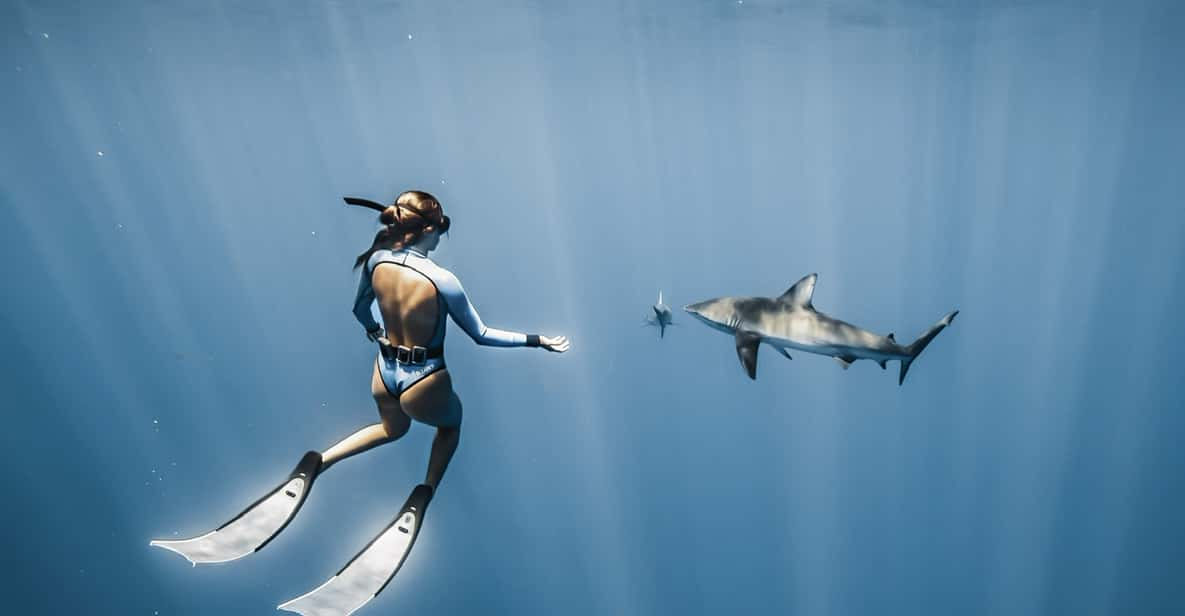
Packing takes ten minutes in a Waikiki hotel room. Masks and snorkels come on board, so leave your own behind unless a fitted mask matters to you. Swimsuit and towel are on you from the start, and footwear comes off before boarding, so wear slip-on sandals you can leave in a dockside bin.
Everything else rides in a waterproof dry bag, because the open decks take spray on the 15-to-20-minute run offshore. Reef-safe sunscreen, sunglasses with a retaining strap and a light windbreaker or hoodie for the ride back fill the rest.
The water decides your top layer. June through October, a UV rash guard is enough, with an optional thin neoprene top for the early boat ride. December through May, add a 1.5 to 2 mm shorty or neoprene top as the water cools toward the mid-70s.
Set a phone reminder the evening before. The pill that matters is the one taken before you ever smell the diesel.
Staying dry is a legitimate way to do this trip. Guests who skip the cage remain on the boat and watch sharks swim near or at the surface, and several tours here sell that as a proper rider ticket in its own right.
Seasickness has its own logic out there. Tell the crew the moment you feel off. Getting in the water often helps, oddly, because floating in the cage removes the rocking of the deck.
Once vomiting begins, pills do nothing: fresh air, eyes on the horizon, small sips of water, and an early run back to the dock in bad cases.
Fear fades faster than most people expect. Regulars describe the nerves dissolving within minutes of the first shark's calm, unhurried pass, the guides' voices doing half the work.
Super tour! Guides explained everything briefly, answered questions, and made safety feel genuine. Our first tour was postponed due to weather, and spotting sharks takes some luck.
The people who enjoy it most grip the cage rails firmly when the swells roll through, and let everything else go.
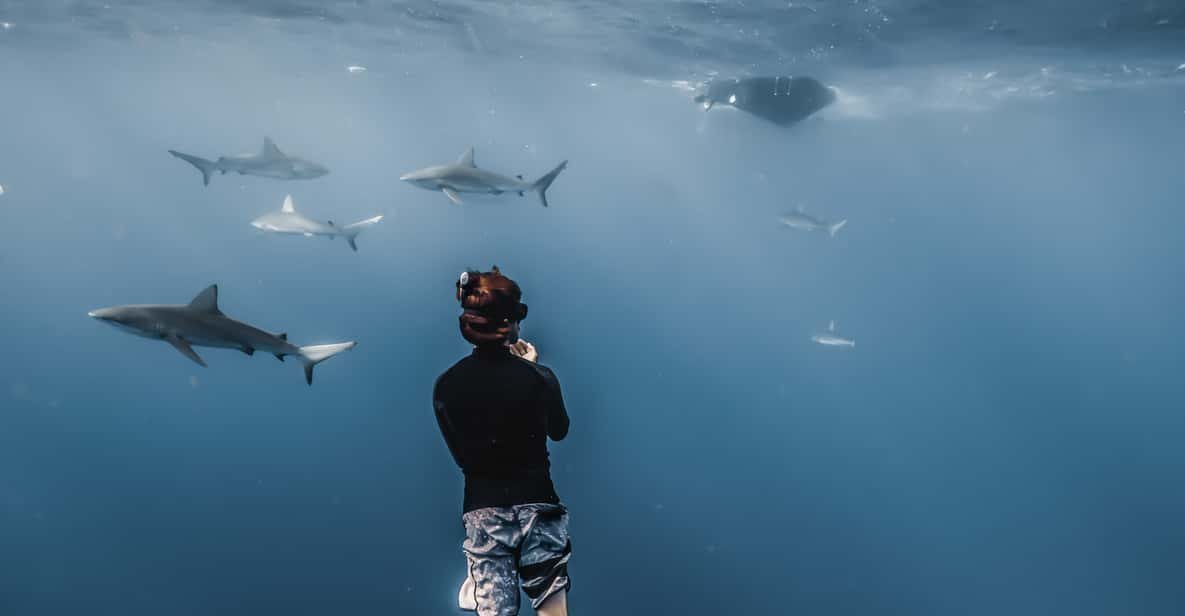
Winter owns the cancellation risk. North Shore swells from roughly November through March shut down ocean tours for stretches of days, and boats cancel when high surf makes entering or leaving the harbor mouth hazardous, when runoff fouls the visibility, or when strong winds build unsafe chop.
Large surf and rain on their own do not stop a trip.
Operators may call it off as late as the scheduled start time, though notice comes earlier when possible. So check before the 5 am alarm rather than driving an hour on a doubtful forecast.
A weather cancellation earns a reschedule or a full refund, which keeps the money question simple even on the stormiest week.
| If this happens | What happens then |
|---|---|
| Operator cancels for weather or unsafe seas | Choose another available date or a full refund |
| You cancel yourself | Full refund if you cancel up to 24 hours ahead |
| Winter surf, hazardous harbor mouth or dirty water | Departure is called off, sometimes as late as start time |
| Notice | Given in advance when possible; check before the dawn drive |
Book knowing the escape hatch exists, and winter loses most of its sting.
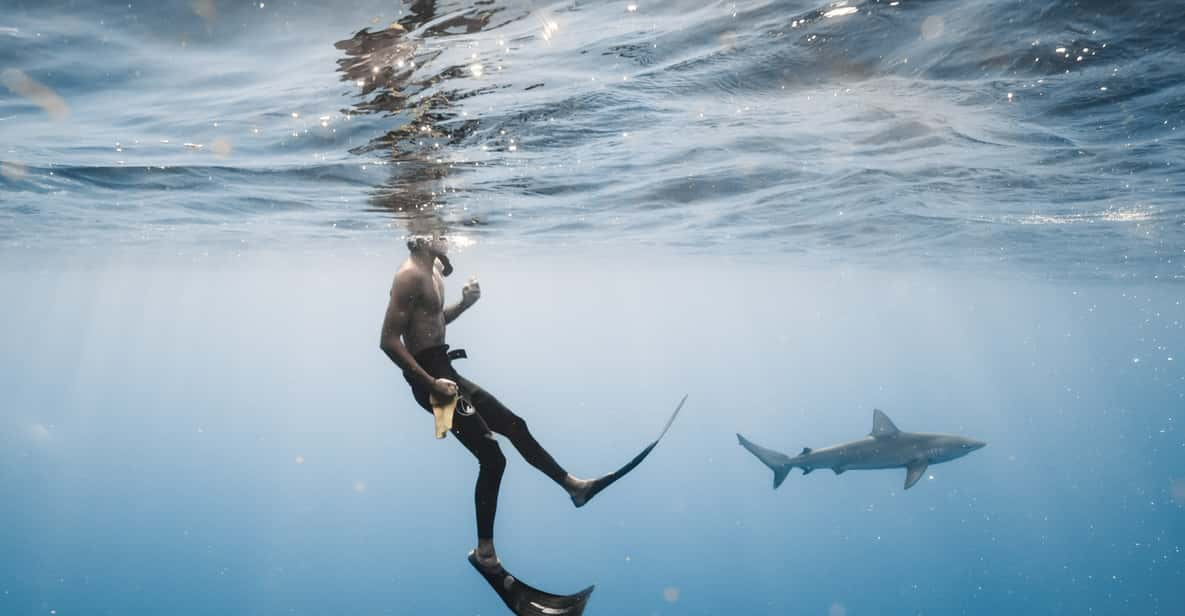
The trip north pays a second dividend once the boat ties up. Across from Haleiwa Beach Park, an acai bowl or a late breakfast sits minutes from the docks, and the old plantation strip along Kamehameha Highway holds shave ice at Matsumoto and the 1921 Anahulu Stream bridge within a short walk.
Push further if the afternoon allows. Waimea Bay lies about 16 minutes up the coast, Sunset Beach about 25, and the heiau above Waimea surveys the whole bay from the bluff. A morning in the water and an afternoon on this coast is how the North Shore is meant to be spent.
The dive plus a North Shore afternoon erases the drive from the ledger, which is the argument that wins for most Waikiki readers. Everything on this list waits whether you cage dive, swim cage-free or stay on the deck; the boat is the only booking that decides the day.
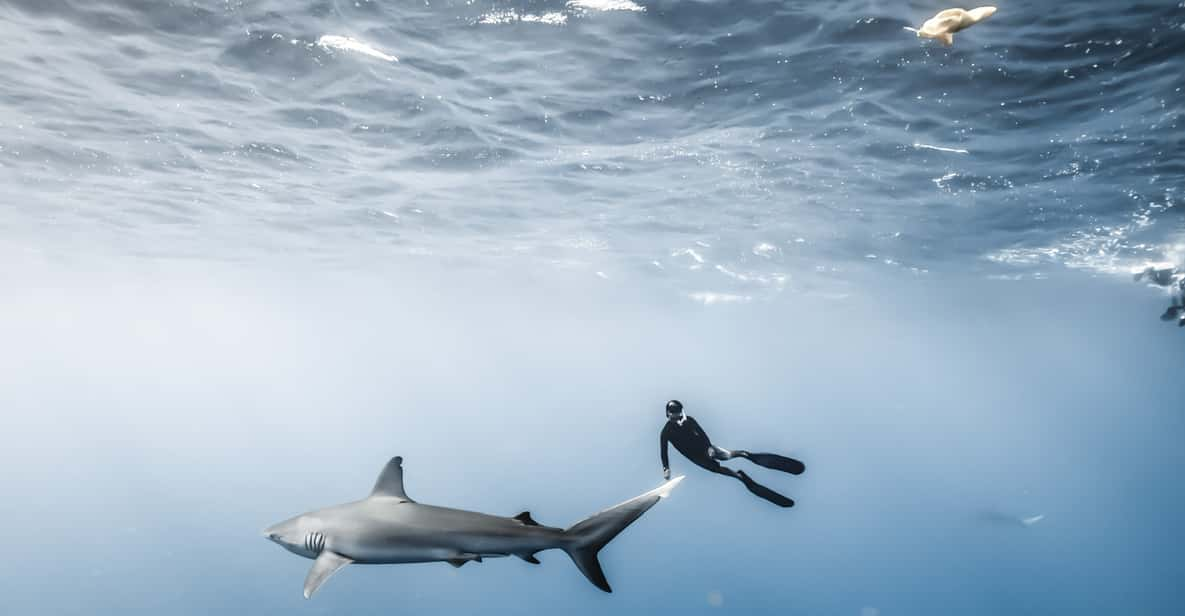
The cage tours on sale here all start at Haleiwa, about an hour north of Waikiki, with calmest seas on the earliest summer boats. Book a cage tour if the barrier matters to you, the cage-free adventure if you swim confidently, and take the first departure so the afternoon belongs to Waikiki again.
Short answers to what Waikiki visitors ask before booking, from the drive up to Haleiwa to what goes in your dry bag.
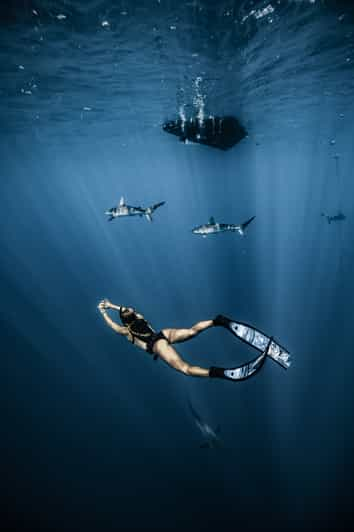 Honolulu2026
The shark dives sold on this page all leave from Haleiwa Harbor on the North Shore, about an hour from Waikiki. That is where the boats find the sharks: three miles offshore, over water 250 feet deep. Treat the drive as part of the morning rather than an obstacle.
Crab and bottom-fishing boats have worked those waters since the 1960s, and the resident Galapagos and sandbar sharks learned to follow boat engines, expecting food. No chum or bait is involved. Feeding sharks is illegal in Hawaii state waters, so the boats rely on engine sound alone.
Three ways work. A taxi or rideshare takes about 60 minutes. Some tours run a shuttle van with pickup at central Waikiki hotels. TheBus Route 52 from Ala Moana Center costs the least and takes roughly 1 hour 40 minutes to 2 hours.
Plan for a wait. Few drivers station themselves in Haleiwa for return trips, and pickups there can take 30 to 45 minutes or fall through entirely. If you ride up by rideshare, ask your driver about waiting or book a round trip with the same service.
Neither. The cage floats at the surface attached to the boat, so you hold the handrails with a mask and snorkel while the salt water keeps you buoyant. No scuba gear or training is involved. You do need to be comfortable in open water.
Yes. Most of the tours on this page sell a ride-along option, so a partner or nervous child can watch sharks from the deck while the rest of the group takes a turn in the water. Boats spot plenty of sharks swimming near the surface.
On a two-hour trip, expect about 20 minutes of water time. Groups of 6 to 8 rotate through the cage, so you watch the first shift from the deck, then take your own turn. Talk with your group about the order you want before the first drop.
Book the earliest boat you can, ideally between 6:00 and 9 am, when trade winds are light and the water is calmest and clearest. May through September brings the flattest seas, with waves under 1.5 meters on most days and visibility up to 150 feet.
Operators call off departures when surf, wind, or poor visibility makes the trip unsafe, and winter swells do this more often from November through April. If your tour cancels for weather, you choose between rescheduling for another day or a full refund.
A study of Haleiwa's cage diving operations found no increase in shark incidents along the north coast since the tours began, and Hawaii's state incident database lists no shark diving companies. Inside the cage you hold a handrail behind bars, which is why non-swimmers can join.
Take motion sickness medication the night before and again the morning of the trip. If you feel unwell offshore, tell the crew right away. Floating inside the cage often settles the stomach, since the water stops the boat's rocking. Severe cases head back to the dock early.
Pack a swimsuit, towel, reef-safe sunscreen, and your own mask if you have one you like. Shoes come off before boarding, so wear slip-ons you can leave at the dock. Everything goes in a dry bag, because the open deck takes spray on the ride out.
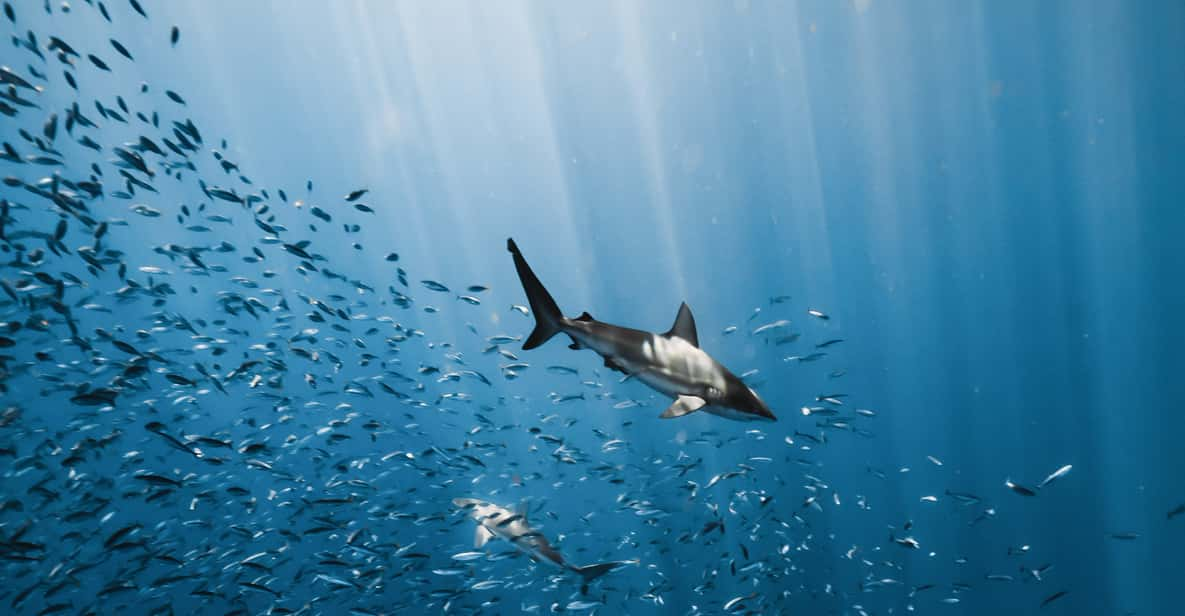
This small-group cage-free shark swim puts you in the water off Oahu's North Shore, and free cancellation up to 24 hours ahead keeps your plans flexible.